
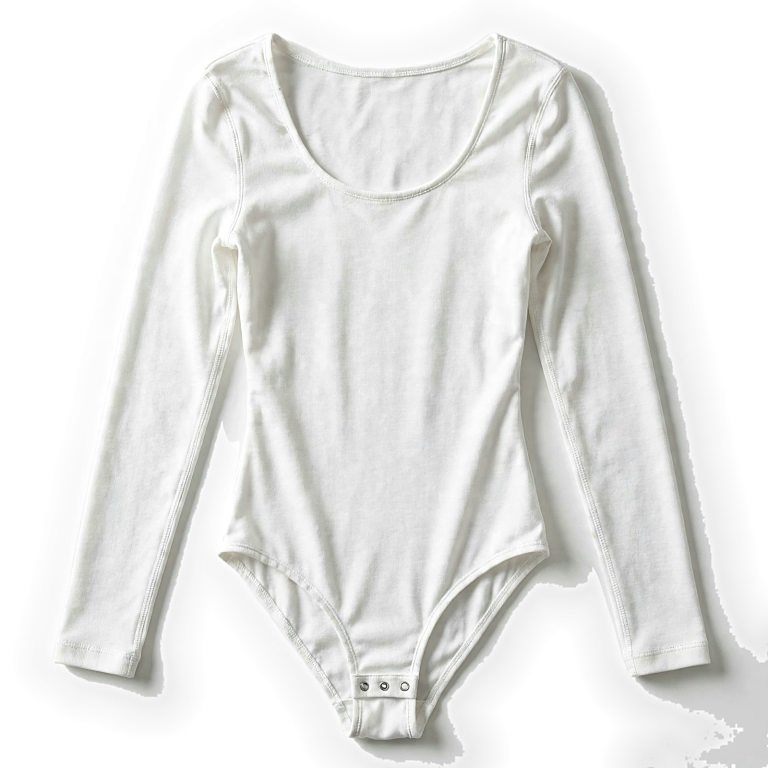
Bodysuits Manufacturer Bangladesh for Fashion, Lingerie-Adjacent and Baby Ranges
Every bodysuit buyer is purchasing closure engineering. The fashion brand needs the snap panel to sit invisible under a waistband and the leg line to stay smooth at the end of a long day; the baby brand needs fastenings a parent can work one-handed in the dark. Both are buying the same discipline: patterns cut for a body in motion, snaps set and tested as a system, stretch fabrics whose recovery is measured rather than assumed. That discipline is how our bodysuit lines are run – as standing programmes with the patterns, snap specifications and shade standards recorded per style.
The Bodysuit Range We Manufacture
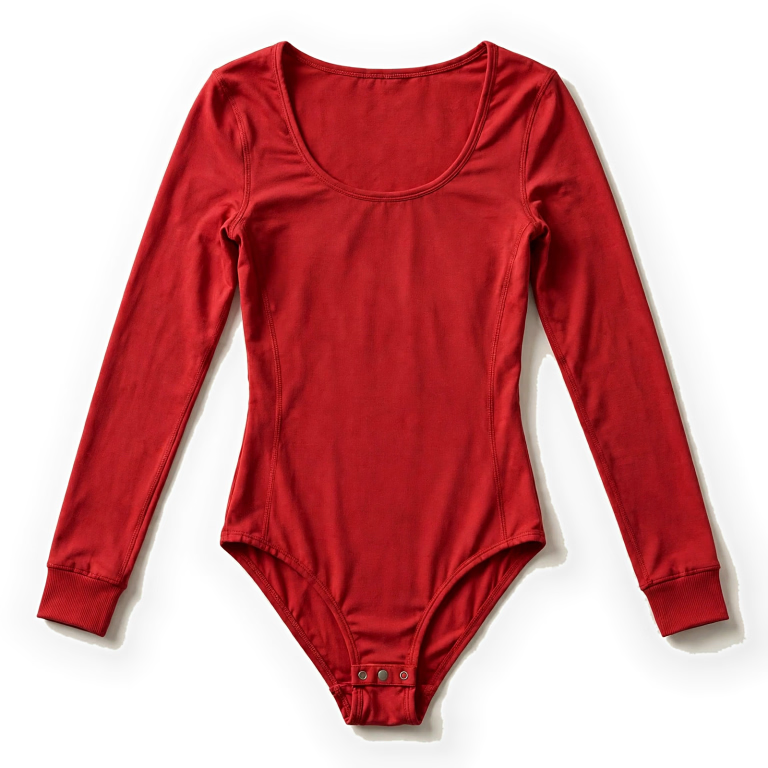
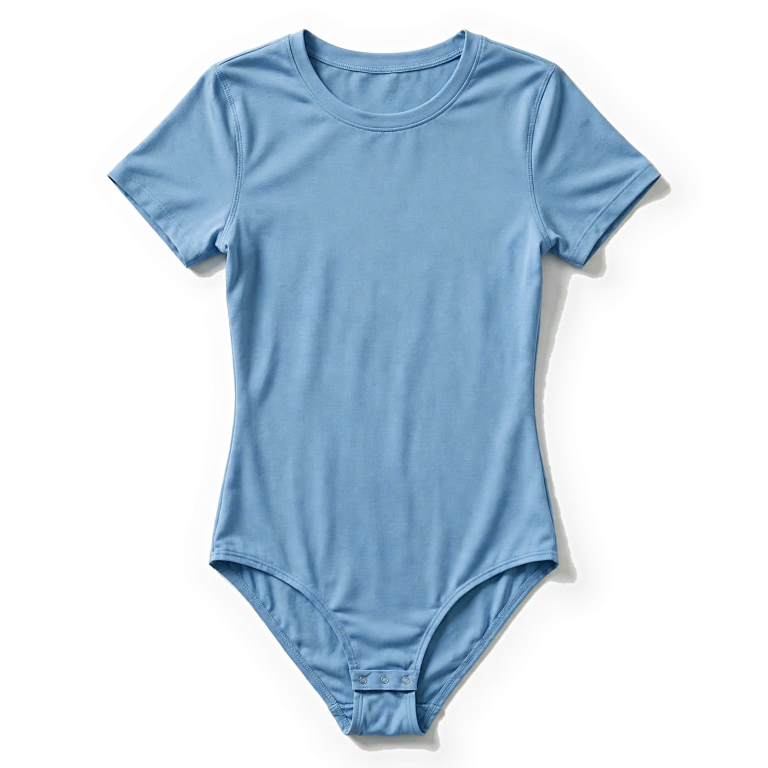
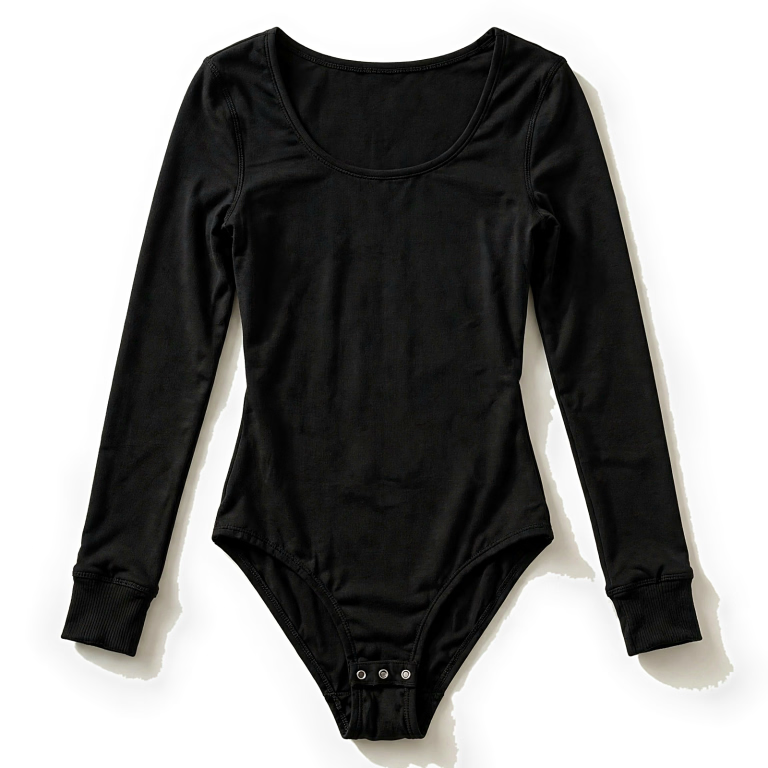
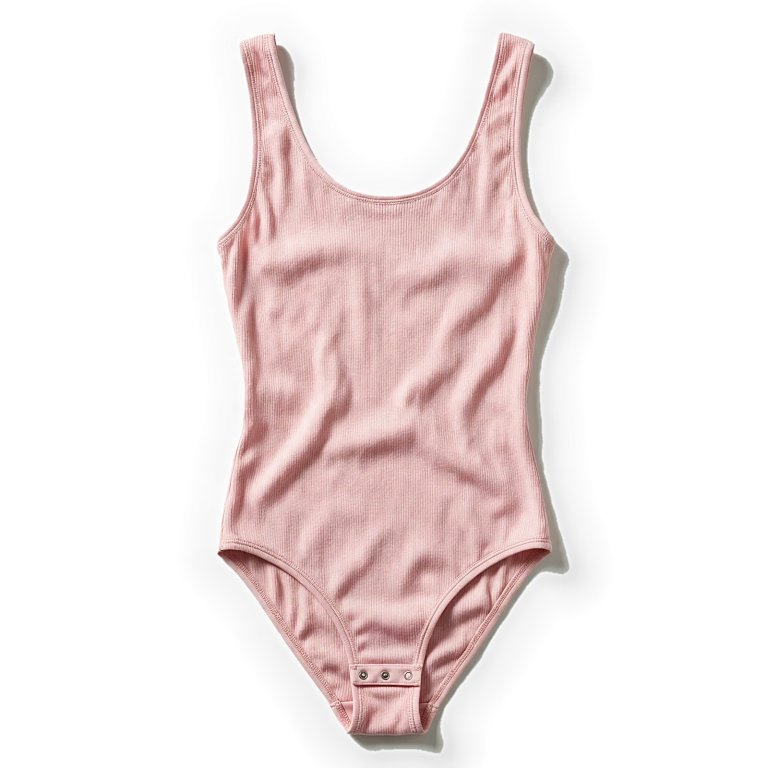
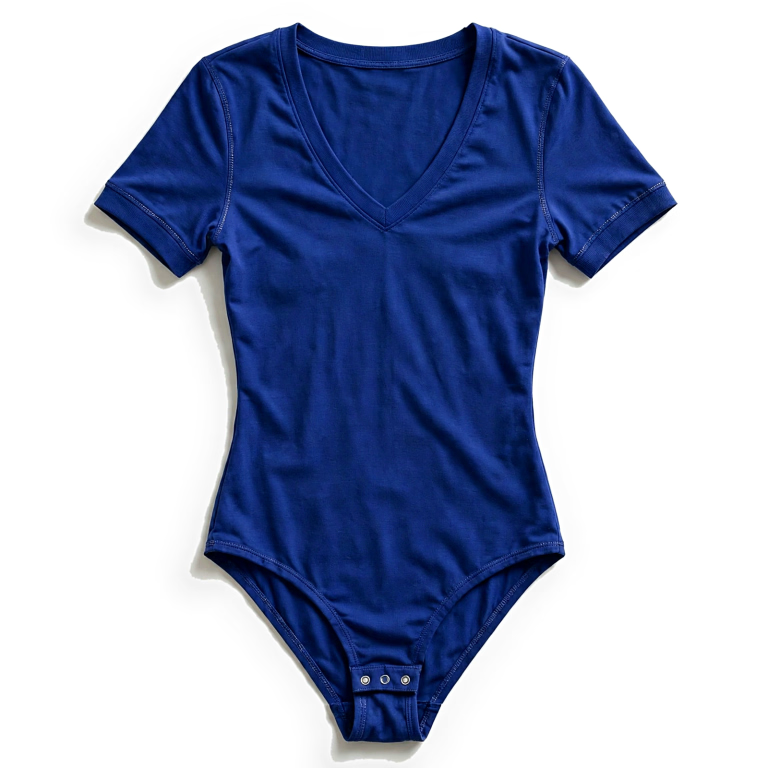
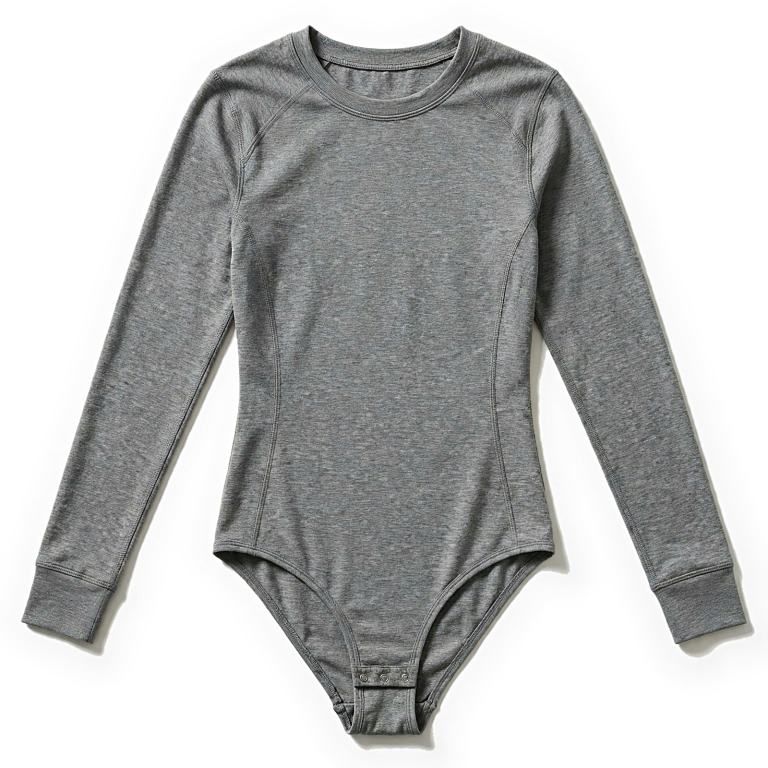
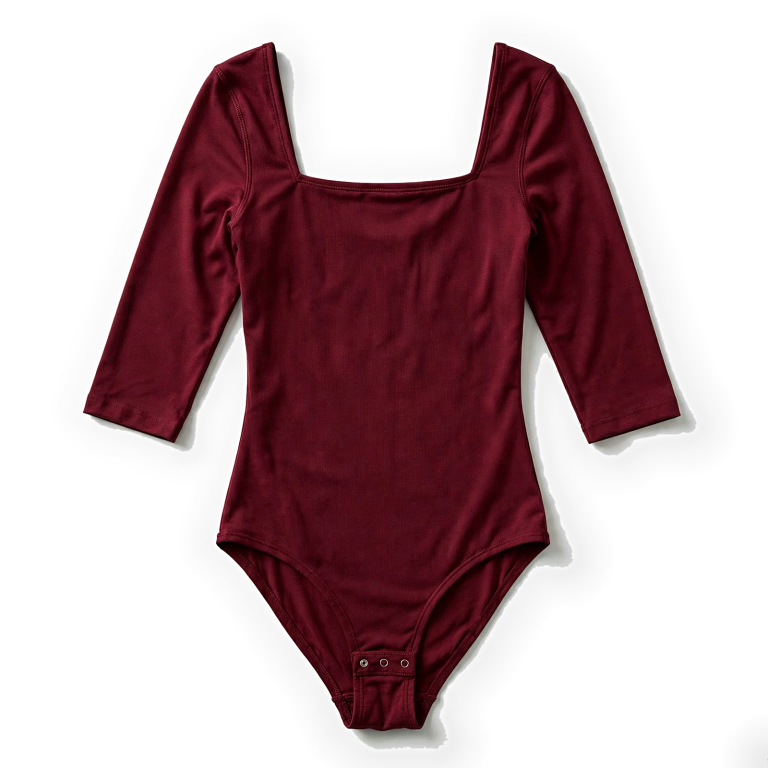
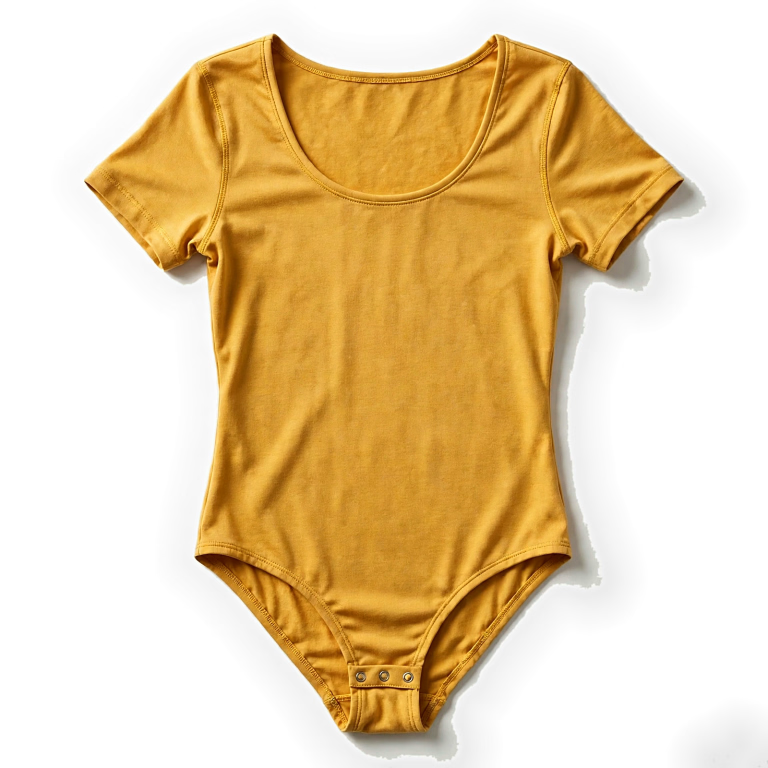
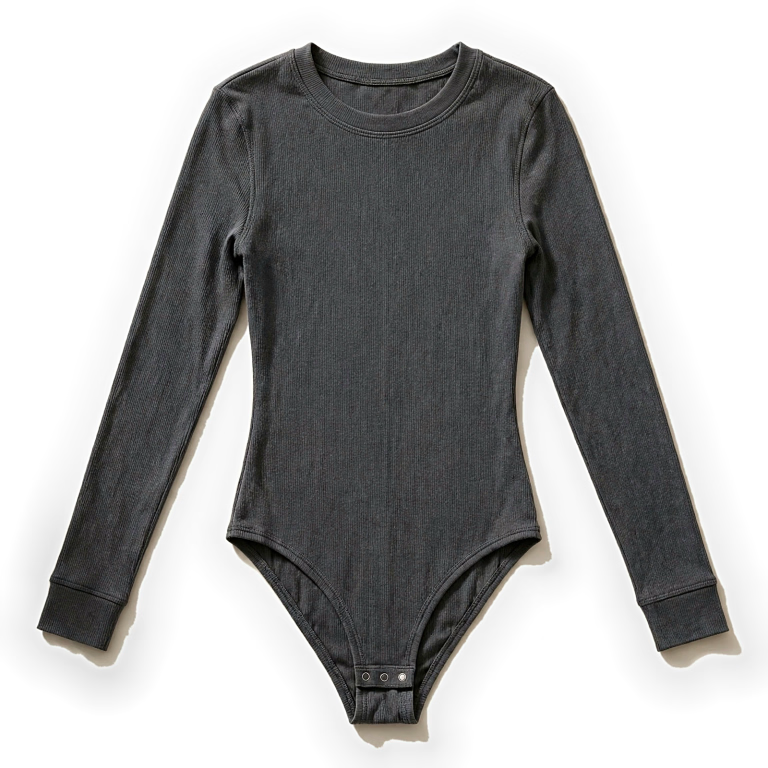
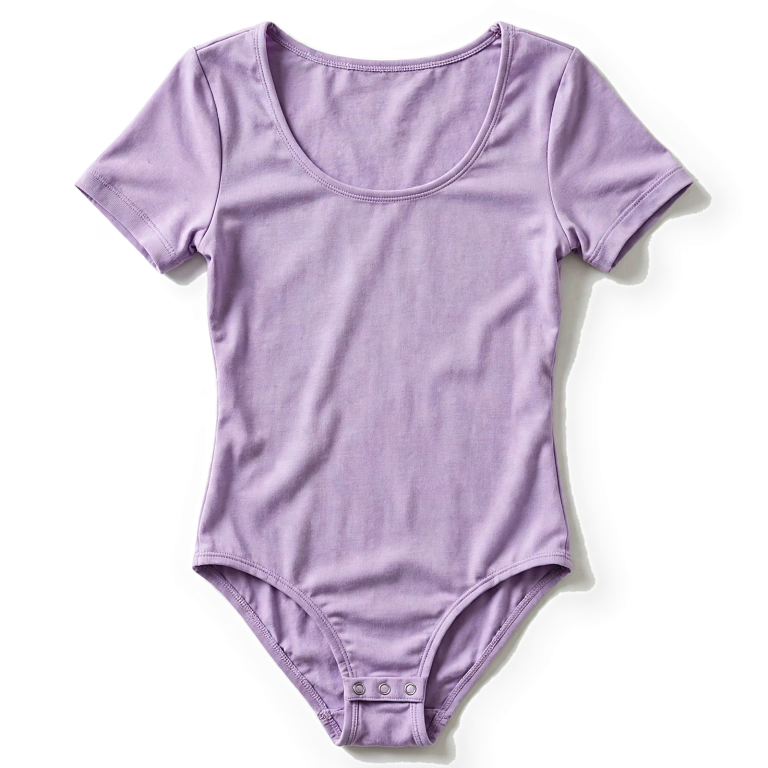
- Fashion bodysuits – crew, scoop, V and square necklines, short, three-quarter and long sleeves
- Back cuts – thong, brief and full-coverage backs, each bound and finished to sit smooth
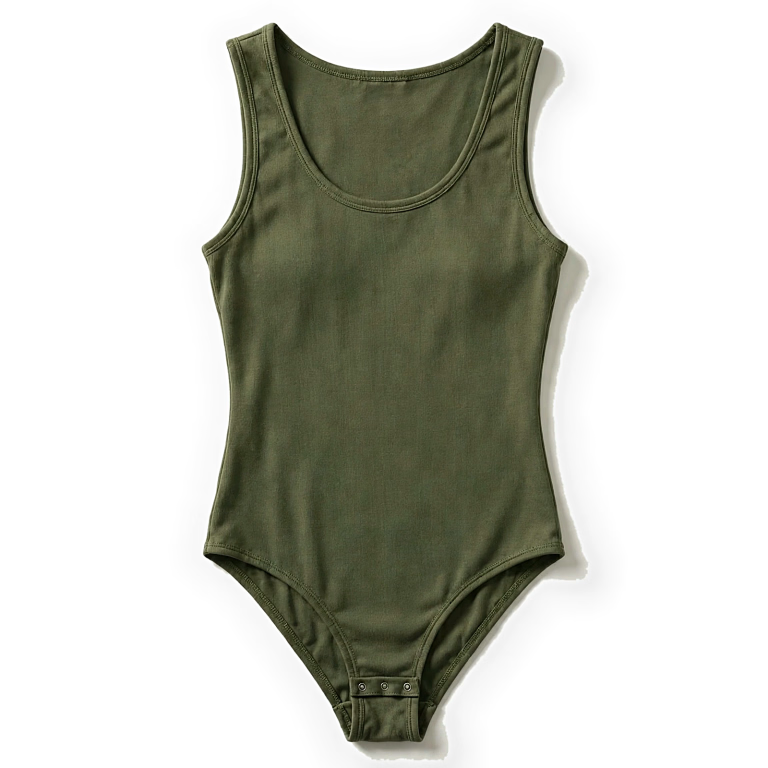
- Sleeveless and tank bodysuits – layering and summer styles in jersey and rib
- Baby bodysuits – envelope-neck and snap-front styles from newborn to 24 months
- Ribbed and seamless-look styles – textured knits for fashion ranges
Every style is knitted, dyed, cut and sewn under one roof, so a programme mixing fashion and baby bodysuits is planned as one order with one snap standard and one shade file across the range.
Fits, Bodies and Size Ranges
Fashion bodysuits are patterned on women’s blocks in fitted and relaxed bodies, sizes XS to 3XL, with the torso length graded as carefully as the chest – a bodysuit that is right across the bust and short in the body fails completely, so length is a first-class measurement on our charts, with tall and petite options where a programme asks for them. Stretch is engineered per style: enough elastane to hold the line, never so much that the garment fights the wearer. Baby bodysuits are graded in the small age bands – newborn to 24 months – with nappy allowance built into every band.
Making Craft – Snap Panels, Leg Binding and Recovery
The bodysuit’s reputation is made at three points. The snap panel: nickel-free snaps, set in reinforced fabric, aligned so the panel closes flat and stays closed under movement – tested by fastening and stress on the inspection sample of every style. The leg opening: bound or elasticated to sit smooth against the body without cutting in, finished so the edge survives the wash. The fabric’s recovery: stretch knits are recovery-tested – stretched, released and measured – because a bodysuit that grows through the day is a return waiting to happen. Fashion styles are side-seamed for a clean line; baby styles carry the flat seams and printed labels newborn skin asks for.
Custom Printing, Embroidery and Branding
Bodysuit branding is placement work: chest and back prints positioned to sit correctly on a garment worn tucked, small embroidered marks, and printed neck labels that keep the inside smooth against the skin. Fashion ranges add branded snap tape and woven hem labels where the design calls for them; baby ranges carry size-and-care prints inside the back. Retail presentation – folded, bagged and ticketed – is handled inside the same order, and buyers building a full women’s programme often run bodysuits beside our womens clothing line so necklines and shades match across the range.
Custom Sizes, Colours and Programme Planning
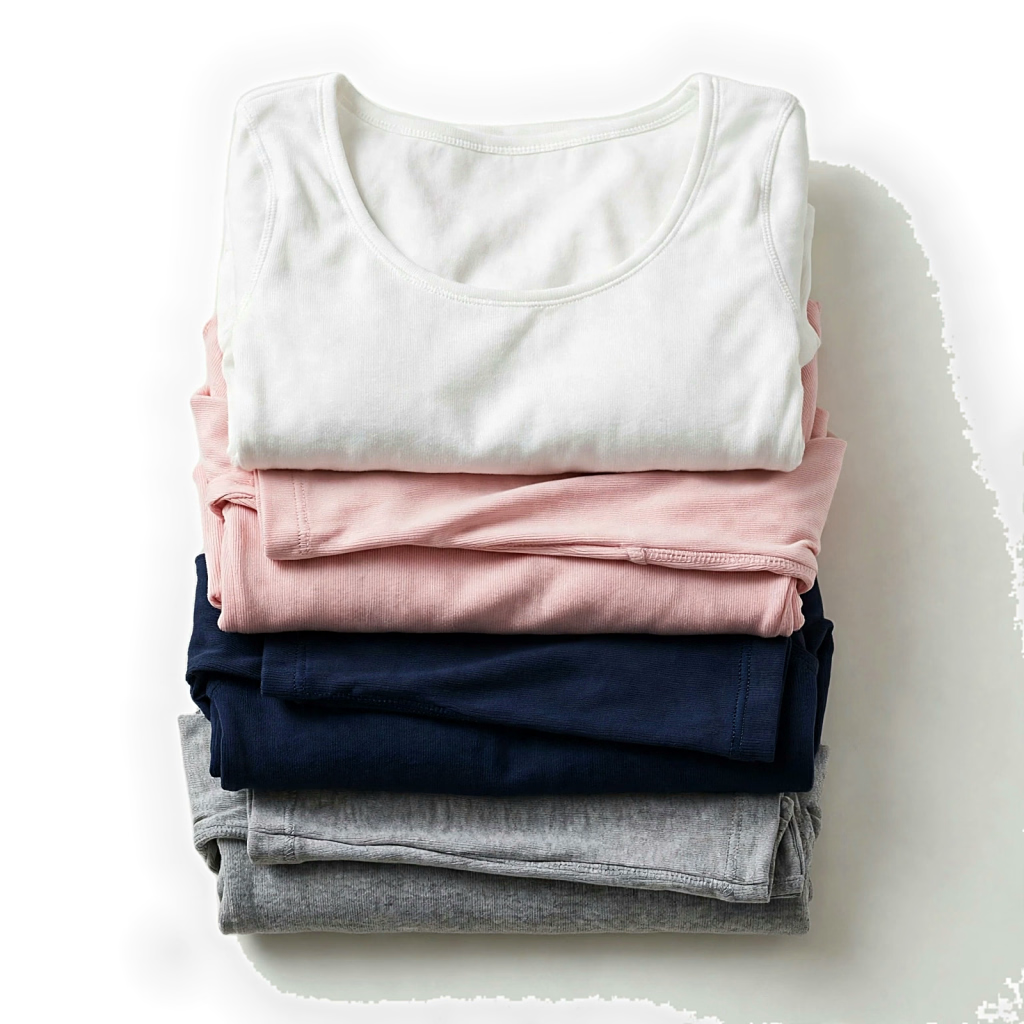
The bodysuit core palette – white, black, navy, grey marl, pink, red, royal and burgundy – runs as standard colours, with fashion and seasonal shades dyed to order against a swatch or Pantone reference. Whites are checked hardest: a white bodysuit worn as a top shows every shade fault and every finishing shortcut. Every colour is approved as a lab-dip before knitting starts, and the approved standard is held on file so a reorder matches the original exactly, across fashion and baby styles alike. Programmes are planned with the buyer around seasons – sleeves and necklines rotating while the core body and snap standard stay fixed.
Bodysuit Sampling and Product Development
Samples are made in the production fabric with the production snaps, finished as the bulk will be, because a bodysuit can only be judged worn and fastened – sat in, bent in, washed. Buyers receive samples across the size set where a body is new, and comments on torso length, leg line and snap feel are turned into revised samples before the style is approved. The approved pieces – with fabric swatches and trim cards – become the standards the bulk is checked against at final inspection. Baby styles in the programme are sampled in the same round as our baby clothing range, so the whole one-piece story is approved together.
Quality Assurance and Production Follow-Up
Fabric is checked for weight, shade and recovery before cutting; snaps are attachment-tested per style; finished garments are measured against the chart – torso length included – and inspected for the faults bodysuits show first: panels that gape, leg edges that roll, prints placed for a hanging garment instead of a worn one. Final AQL inspection closes each style, with photographs and results shared to buyers in Europe, the USA and beyond as a matter of routine. One named contact follows the programme from fabric booking to final carton.
Bodysuits for Fashion Brands, Retailers and Baby Labels
Fashion brands buy the line – a bodysuit that keeps a tucked silhouette clean from morning to evening and anchors a season’s trousers and skirts. Retailers buy breadth on one standard: necklines and sleeves rotating over a proven body, in sizes that run the full chart. Baby labels buy the fastening craft and the softness discipline, band after band. One production standard serves all three when the patterns, the snap specification and the recovery tests are held properly.
Why Source Bodysuits from Bangladesh?
Bangladesh offers the full knitwear chain in one place – knitting, dyeing, cutting and sewing – which keeps a bodysuit programme economical instead of letting fabric freight on every style eat the margin. The country’s sewing depth shows in the operations bodysuits demand most: stretch fabric handling, binding work, snap setting and clean finishing at volume across many styles at once. Add export routines proven daily into the USA, Europe, the UK, Canada, Australia, the Middle East and East Asia, and a full one-piece range can be planned on dates that hold.
Why Choose Siatex Bangladesh?
We have manufactured in Bangladesh since 1987, and bodysuits – fashion and baby – are a standing line in our factory with their own pattern and snap disciplines. Your range sits with one team from fabric booking to final carton; the charts, shades and snap specifications are recorded as one programme file; and the samples you approved are physically present at the inspection of the bulk. A bodysuit programme with us is not a series of separate orders – it is one standard of fit and fastening, held across every style.
Looking for a Bodysuits Manufacturer Bangladesh?
Send the styles, the back cuts and the quantities, and we will return prices per style, fabric swatches for the knits you chose and a sampling plan. If the range is new, say which body it builds on – we will sample the core body first, because every neckline and sleeve in a bodysuit range inherits its fit from that one pattern.
Siatex Bangladesh
Made in Bangladesh
OEM/ODM Private Label Production Only
Torso Length – The Measurement That Decides Whether a Bodysuit Works
Buyers spec a bodysuit’s chest, waist and hip carefully and then guess the torso length – and the guess is where the returns are born. A body that measures perfectly flat can still pull at the snaps or bag at the waist on a real torso, because bodies differ in length independently of their width. Serious bodysuit programmes grade torso length as a first-class measurement, offer regular and long bodies where the market needs them, and wear-test samples sitting, bending and reaching. When you compare suppliers, ask for their torso grading before their colour chart; it tells you whether they make bodysuits or merely sew one-piece tops. The same discipline serves baby bodysuits, where the equivalent measurement is the body length through the nappy – graded band by band, never stretched from a single pattern.
Thong, Brief or Full Back – Engineering the Leg Line
The back cut is a comfort decision wearing a fashion costume. A thong back disappears under clothing but concentrates all the binding’s pressure on the narrowest edge, so its binding must be softer and its elastic gentler than any other style. A brief back spreads the load and suits longer wear; a full-coverage back anchors shapewear-adjacent styles. Each cut also changes how the snap panel sits and how the garment moves when the wearer sits. We bind and finish each cut to its own specification rather than one edge treatment for all, and sample wear-tests are done per cut – because the customer will judge them separately, whatever the range plan says.
Recovery Testing – Why Stretch Fabric Must Prove It Comes Back
Elastane blends promise recovery; only testing proves it. A bodysuit fabric that grows two percent across a day’s wear loses its line at the waist and its seal at the leg, and no inspection of the flat garment will warn you. Our routine is simple: the production fabric is stretched to a set extension, held, released and measured, and the style is approved only when the fabric returns within tolerance – then the finished garment is checked the same way on the inspection sample. Buyers of stretch garments in any category should ask for the recovery figure by style; a supplier who tests can answer in numbers.