
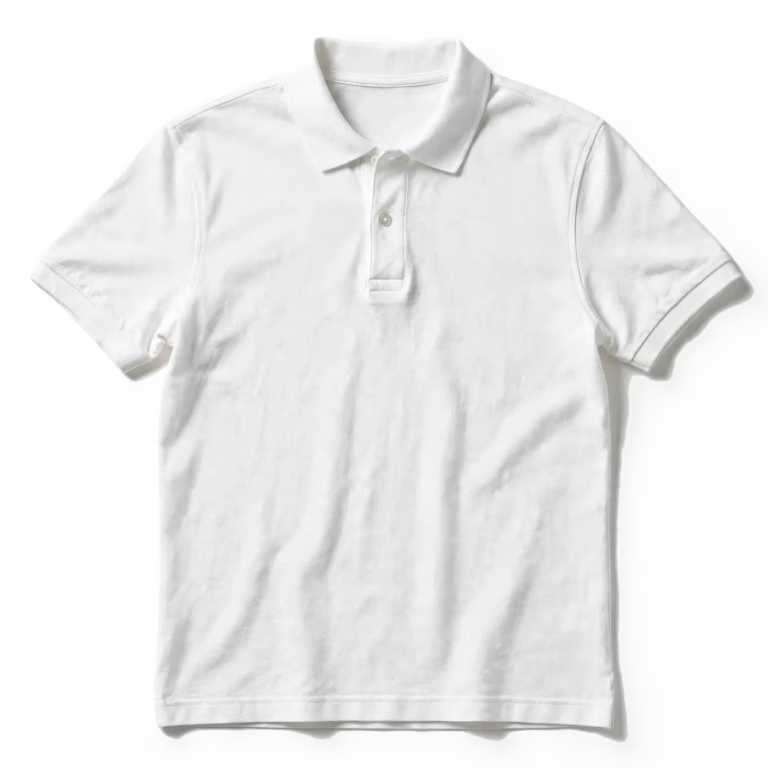
Polo T-Shirt Manufacturer Bangladesh for Brands, Teams and Retail Ranges
A polo t-shirt sits in more wardrobes than almost any other garment we make. It is the uniform of service teams and sales staff, the standard shirt for golf and leisure brands, and a permanent line in casual retail ranges. That spread of uses means the construction has to be right: a collar that stays flat, a placket that does not twist, and a body that keeps its shape through a year of washing. Our polo lines run these shirts every week, in quantities from a few hundred for a single venue to full container programmes for national retailers.
Polo T-Shirt Fabric Options
- 100 percent cotton piqué at 200 to 220 GSM – the classic polo cloth, breathable with a clean textured face
- Cotton and polyester piqué for uniform programmes washed constantly, holding colour and shape longer
- Piqué with a touch of elastane for fitted ladies and fashion styles that move with the wearer
- Slub and melange piqué for retail ranges that need a softer, garment-dyed look
- Organic cotton piqué, knitted to order for sustainability-led collections
Every piqué is knitted for the programme and dyed to the agreed shade, so a reorder a year later matches the shirts already in your stores.
Polo T-Shirt Styles, Collars and Fits
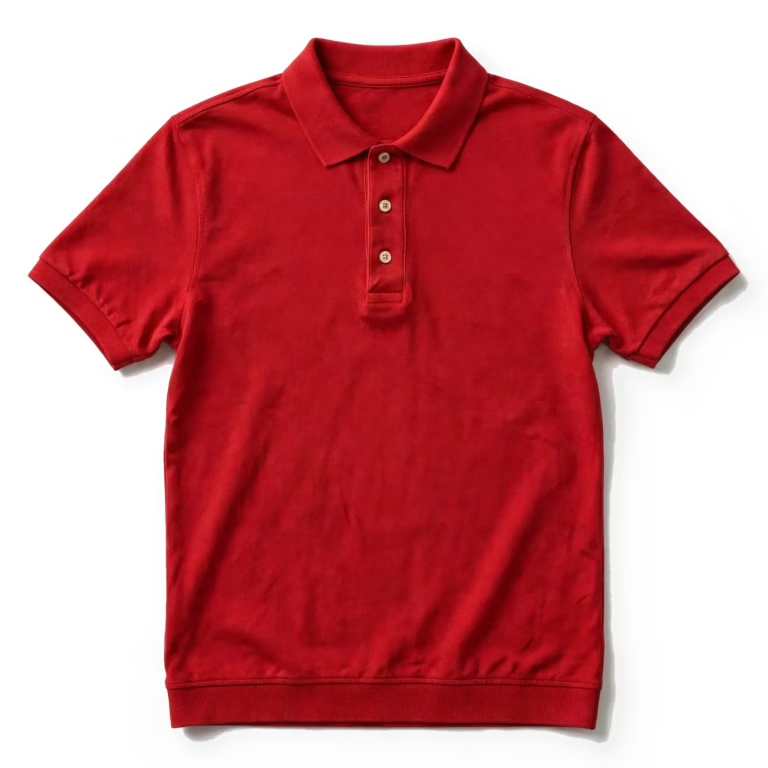
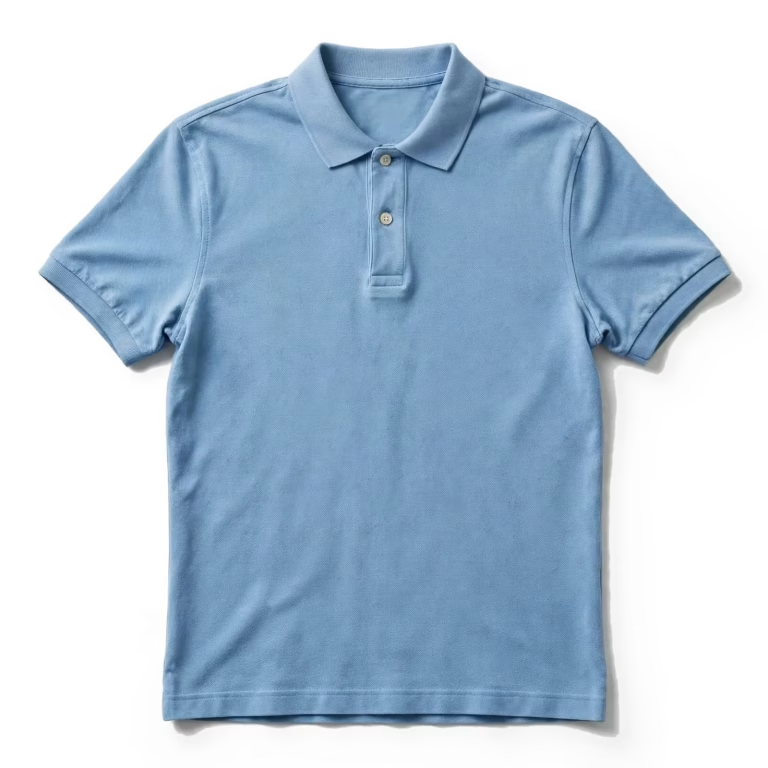
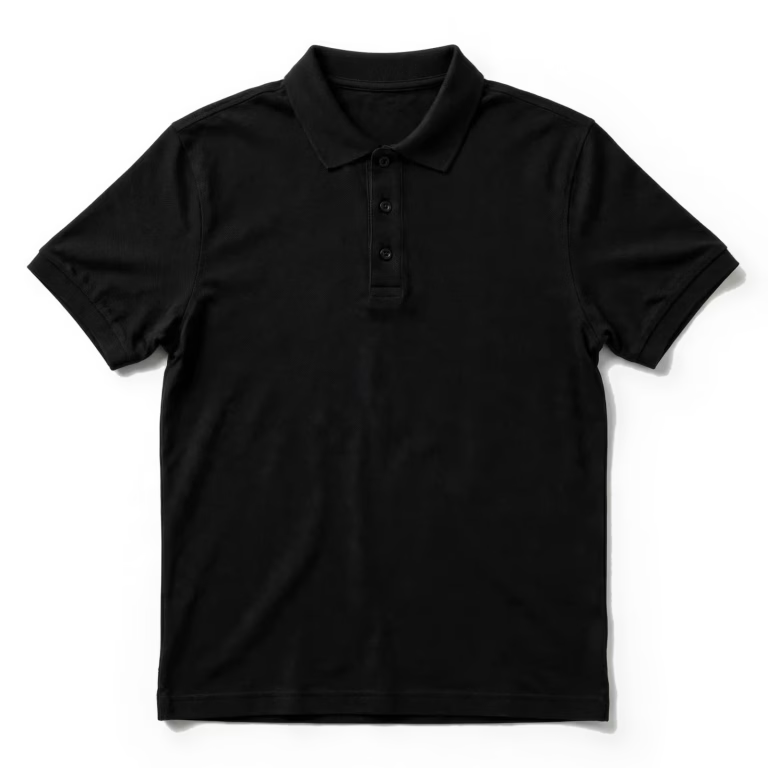
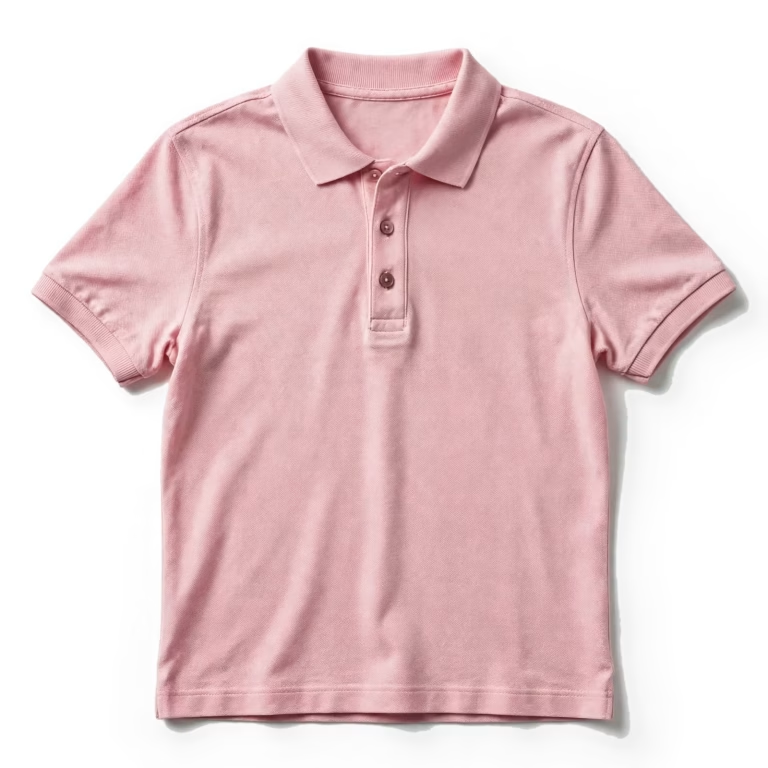
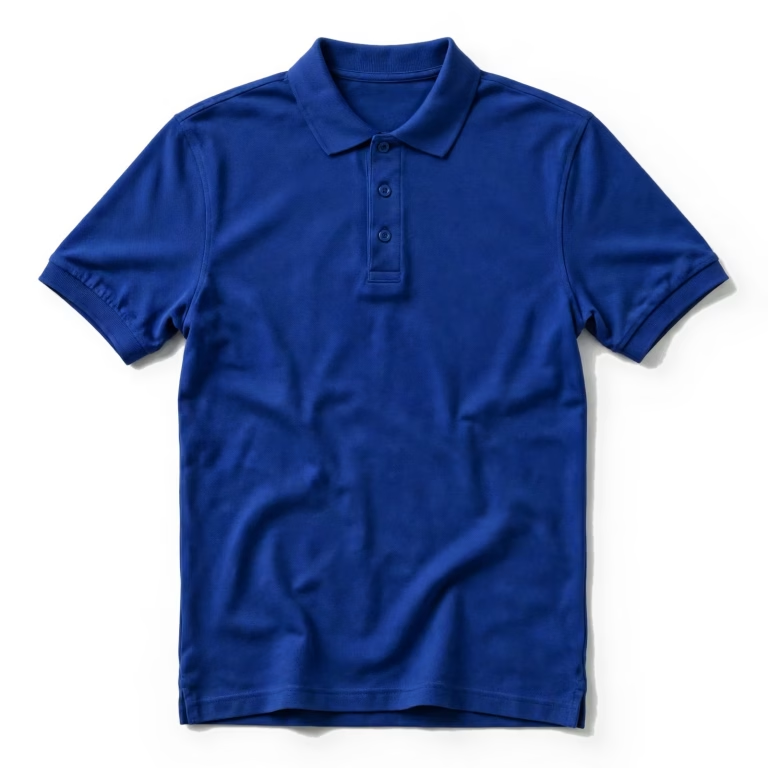
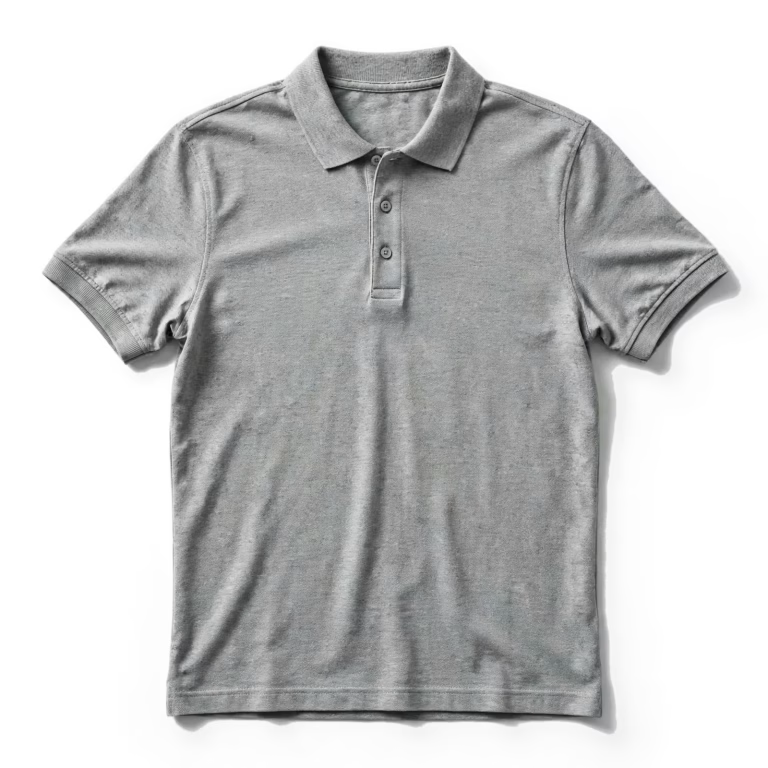
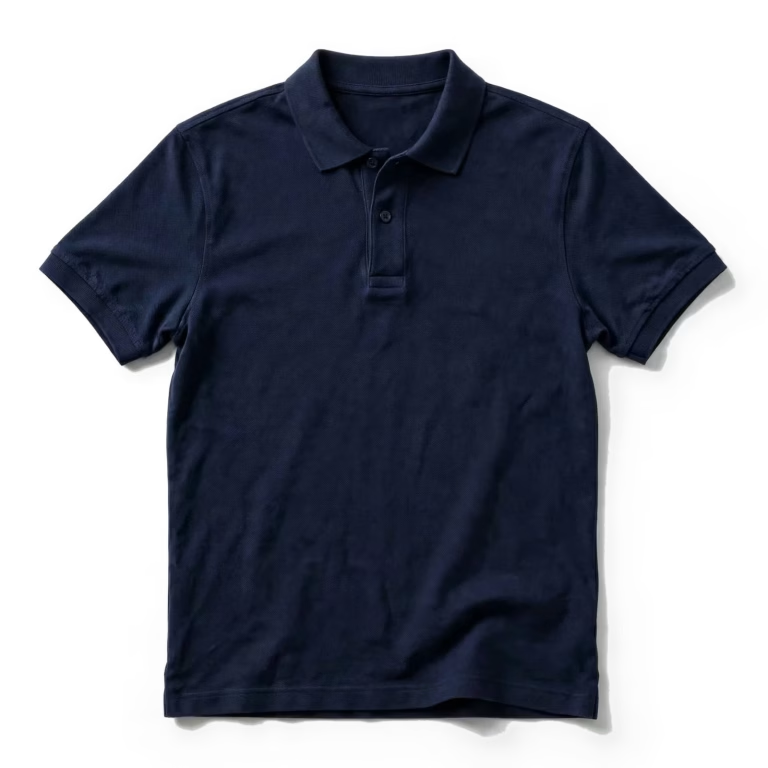
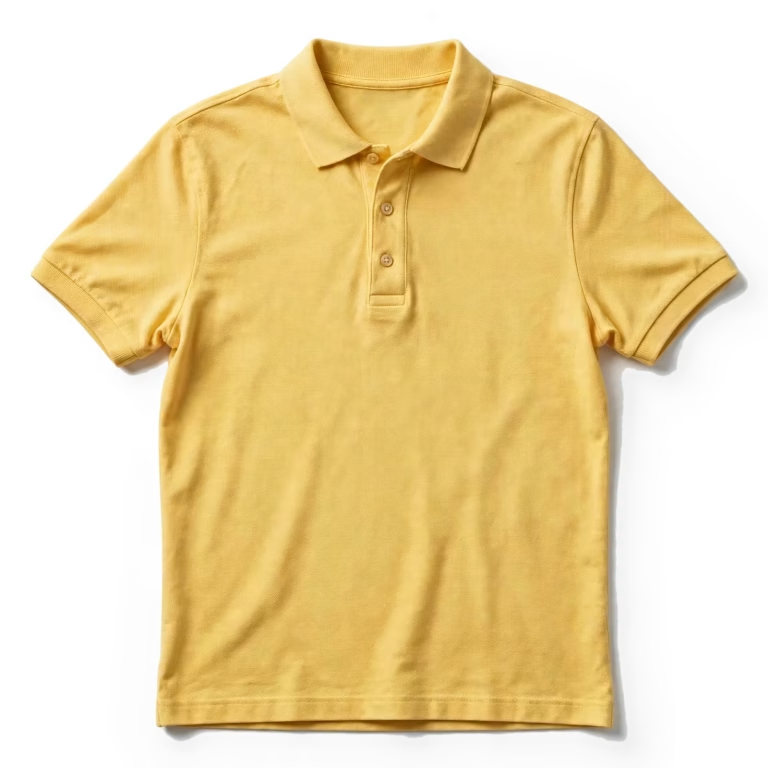
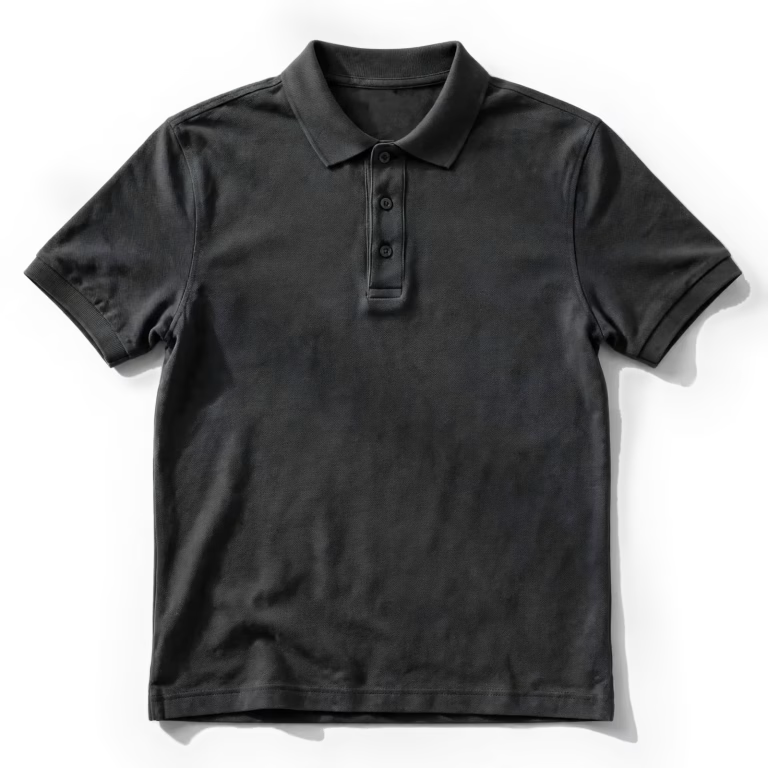
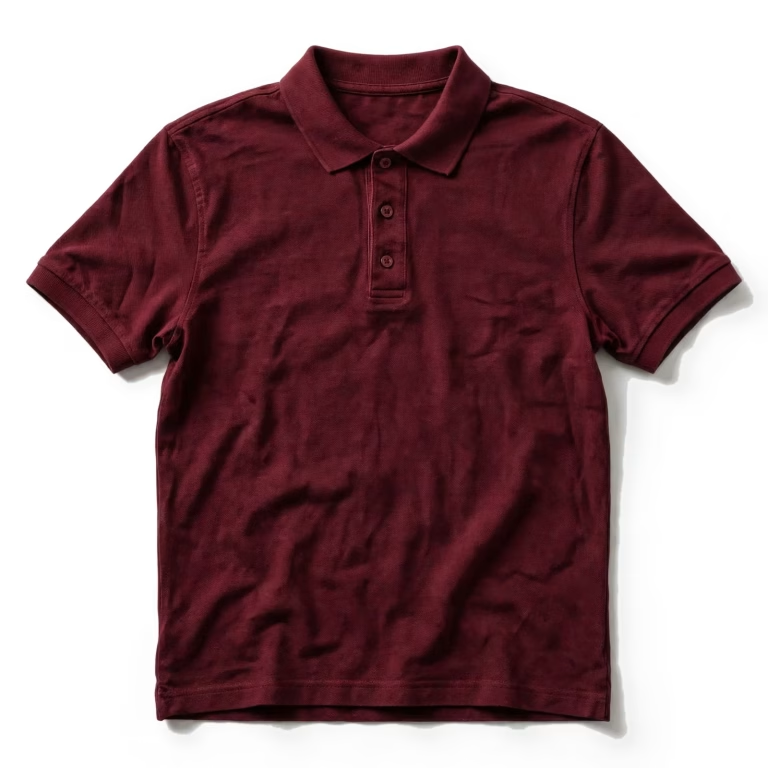
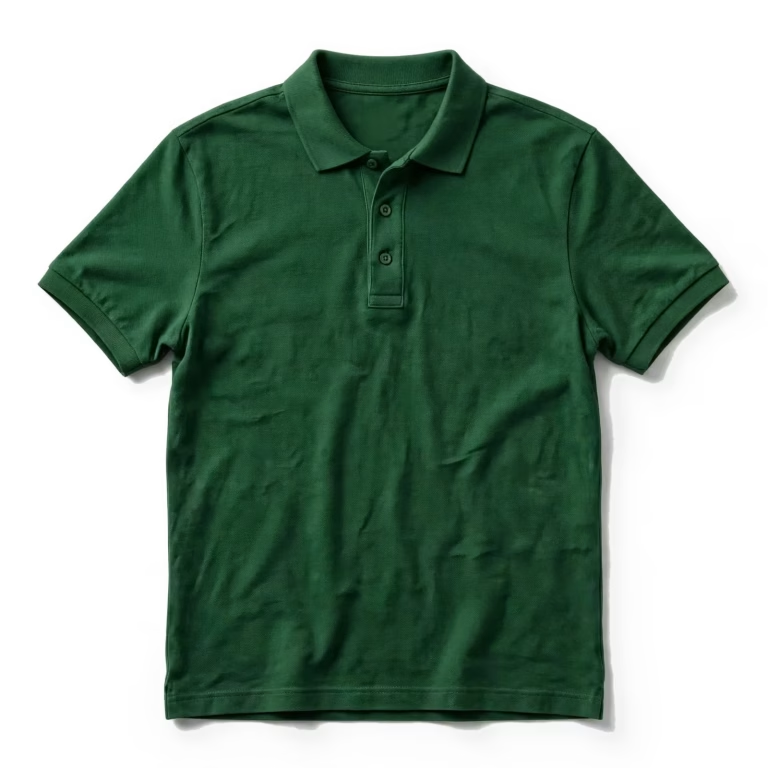
The core style is the classic two or three button placket with a knitted flat collar and ribbed sleeve cuffs, offered in regular, slim and relaxed fits. Tipped collars and contrast plackets serve team and club programmes; a chest pocket can be added for workwear briefs; long sleeve versions cover cooler seasons. Ladies styles are shaped rather than simply smaller, with a shorter placket and a gentle waist, and kids polos follow the same construction for school and club wear. Side vents, a longer back hem and reinforced placket stitching come as standard on our make. For buyers building a recognisable house style, the small choices carry the identity: horn-effect or pearl buttons instead of standard plastic, a woven label at the side seam, a contrast tape inside the neck. We will lay those options out at sampling with their real cost attached, so the style is decided on facts.
Piqué Knitting and Collar Craft
What separates a good polo from a poor one is mostly invisible in a photograph. The collar and cuffs are knitted to size, not cut from rib and stretched to fit, so they lie flat after washing instead of curling. The placket is fused and stitched so it stands straight, the buttons are sewn with a wrapped shank that survives industrial laundering, and the shoulder seams are taped so the shirt keeps its line on the hanger and on the body. These are the details your customers feel in the second year of wear, long after the price is forgotten.
Custom Embroidery, Printing and Branding
Most polo programmes carry the logo as embroidery at the left chest, stitched from digitised artwork with thread matched to your brand colours and a backing chosen so the badge sits flat without puckering the piqué. Sleeve embroidery, back yoke prints and woven hem labels can be added for retail ranges, and screen printing serves larger graphics where a design goes beyond what thread can hold. Buyers who run printed casual lines alongside their polos often pair the programme with our promo t-shirts, made and branded on the same site.
Custom Sizes, Fits and Colours
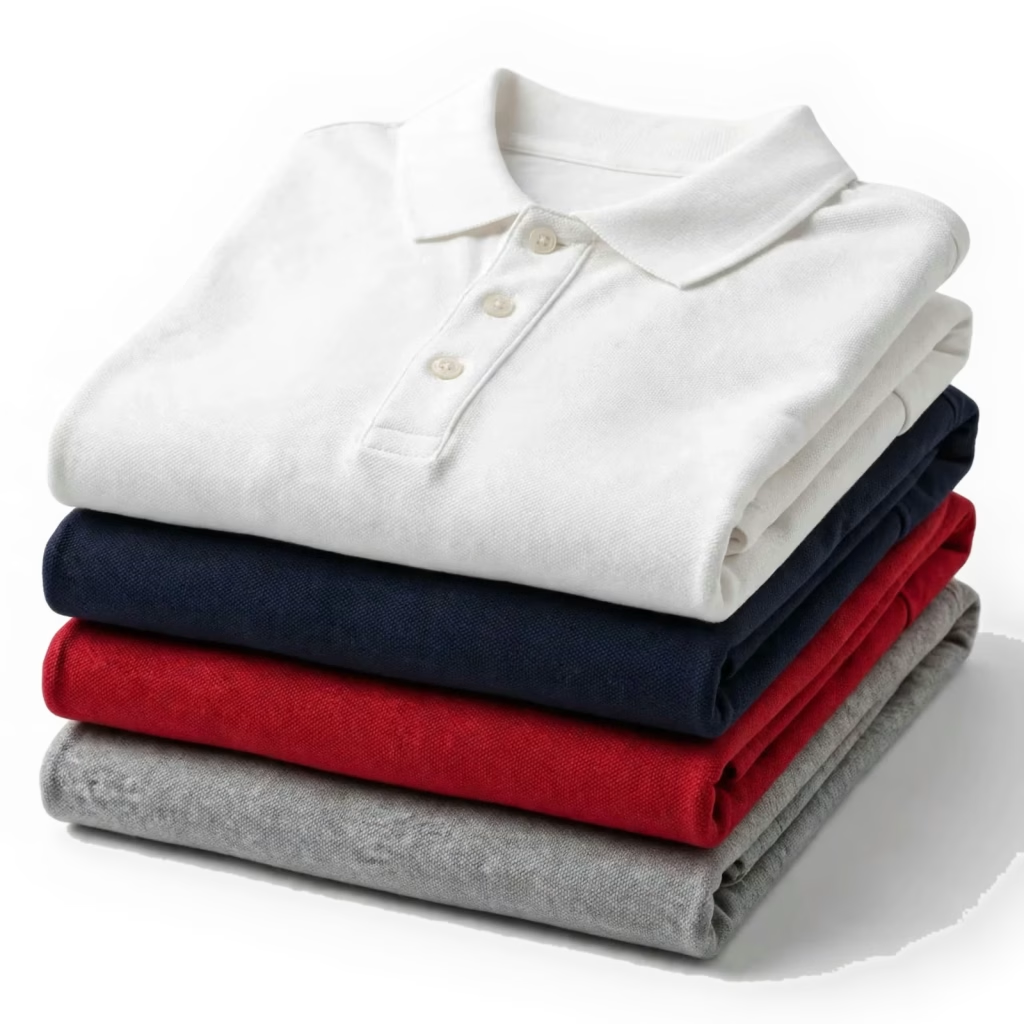
Sizes run from XS to 3XL in mens, with ladies and kids grading to the same measurement standard, and every size in a programme is made from the same block so the fit story is consistent across the range. Core colours – white, black, navy, red, royal, grey and bottle green – are held as running shades, and custom colours are dyed to a submitted swatch or a Pantone reference. Two-tone designs, tipped collars and contrast inner plackets are quoted as part of the style, not as afterthoughts.
Polo T-Shirt Sampling and Product Development
Sampling starts from your tech pack, a reference garment, or a conversation – our pattern team can build the first sample from measurements and photographs if that is what you have. The sample is made in the real piqué, with the real collar and a test embroidery of your logo, then couriered for fitting. Comments are turned around on a revised sample where needed, and only the approved piece becomes the standard for bulk. For teams approving from the UK, Canada or Australia, studio photographs of the sample on a stand usually settle colour and embroidery placement before the couriered piece lands.
Quality Assurance and Production Follow-Up
Fabric is inspected before cutting, collars and plackets are checked at the first output of every line, and finished polos are measured against the size chart piece by piece before folding. Embroidery is checked stitch by stitch against the approved badge. A final AQL inspection closes the order, and the results are shared with photographs, so a buyer in Europe or the USA sees the same evidence as if standing in the finishing room. Mid-production updates keep the follow-up honest: you know the cutting, sewing and finishing position of your order at any point you ask.
Polo T-Shirts for Uniforms, Golf and Retail
Uniform programmes value the polo because it reads as smart at a distance and stays comfortable through a shift; golf and leisure brands value the collar and the breathable piqué; retailers value a garment that sells across ages and seasons without dating. The same shirt, specified slightly differently, serves all three – heavier and harder-wearing for workwear, softer and more fitted for retail, with moisture-management finishes available where a sports brief asks for them. Several of our buyers run one polo block across all three channels and simply change the branding. It keeps purchasing simple, keeps the size story identical for staff and customers alike, and gives the brand one recognisable shirt wherever it appears.
Why Source Polo T-Shirts from Bangladesh?
Bangladesh knits and sews piqué at a scale few countries match, with the yarn, dyeing and embroidery capacity sitting in one industrial belt – which keeps both cost and lead time under control. Export experience to the USA, Europe, the UK, Canada, Australia, the Middle East and East Asia means the documentation, testing and packing standards those markets expect are routine here. And because polo production rewards skilled sewing hands, the country’s long depth of trained operators shows directly in the collar and placket work your customers will judge.
Why Choose Siatex Bangladesh?
We have made garments in Bangladesh since 1987, and polo t-shirts are one of the lines our factory knows best. One accountable team handles your order from sample to carton; the embroidery unit sits inside the same operation, so a badge is never a subcontractor’s afterthought; and the specification agreed at sampling is the specification checked at final inspection. If a programme grows – new colours, a ladies line, a second season – it grows from the file we already hold, not from a fresh start. Volume buyers can also review how pricing moves with quantity on our bulk t-shirts page.
Looking for a Polo T-Shirt Manufacturer Bangladesh?
Send the style, the approximate quantity and your logo file, and we will return a price, a sampling plan and a production schedule. If you are still deciding the specification, ask for the piqué weight and fit options – we would rather help you settle the shirt on paper than remake it in bulk.
Siatex Bangladesh
Made in Bangladesh
OEM/ODM Private Label Production Only
Choosing Piqué Weight – 200, 220 or 240 GSM
Weight decides how a polo feels and how long it holds its shape. At 200 GSM the shirt is light and cool, a good summer and promotional weight, but it will show wear sooner under daily uniform use. At 220 GSM – the weight most of our buyers settle on – the piqué has enough body to drape properly, hold the collar line and survive regular washing. At 240 GSM the shirt feels almost like light knitwear: premium in the hand, better for retail and cooler climates, and slightly warmer to wear. If the programme covers both staff wear and retail, choose 220 for the uniforms and 240 for the shop range, knitted in the same shades so the two sit together. Whichever weight you choose, hold it fixed across reorders – a team photographed in one weight and supplied in another notices the difference immediately, and consistency is most of what a uniform is for.
Embroidered vs Printed Logos on Polo T-Shirts
Embroidery is the natural partner for piqué: the raised stitch sits well on the textured face, survives washing that would crack a print, and reads as quality at conversational distance. Its limits are size and detail – very small lettering and photographic artwork suffer in thread. Printing covers those cases, and a fine screen print or a small DTF transfer can carry detail embroidery cannot. Many programmes use both: an embroidered chest badge for the quality signal, and a printed back or sleeve mark for the campaign message. We sample the logo both ways when the artwork sits near the border, and the buyer chooses from real pieces, not mock-ups.
Keeping Collars Flat and Colours True
The two complaints polo wearers make – curling collars and faded colour – are both decided in production, not in the wash. Collars curl when they are cut from rib and forced to size, which is why ours are knitted to the exact neck measurement and finished with a stay stitch. Colour fades fastest when dyeing is rushed; our shades are dyed to a fixed recipe with a lab-dip approval on file, and dark uniform colours can be made in colourfast specifications for programmes washed industrially. Buyers reordering for teams in the USA, Europe or the Middle East hold the retained lab-dip as their standard – every repeat dye lot is matched back to it before knitting begins.