
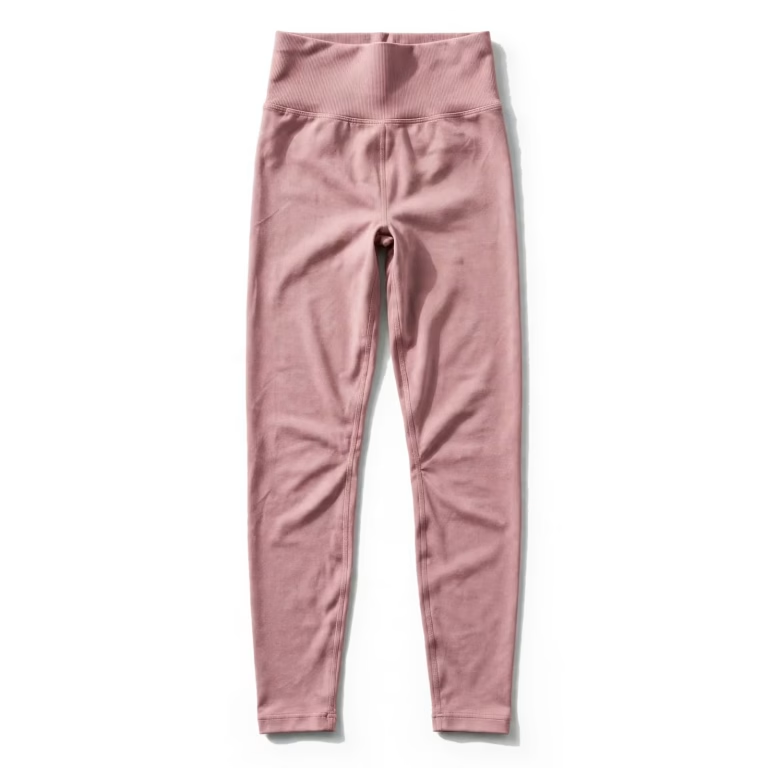
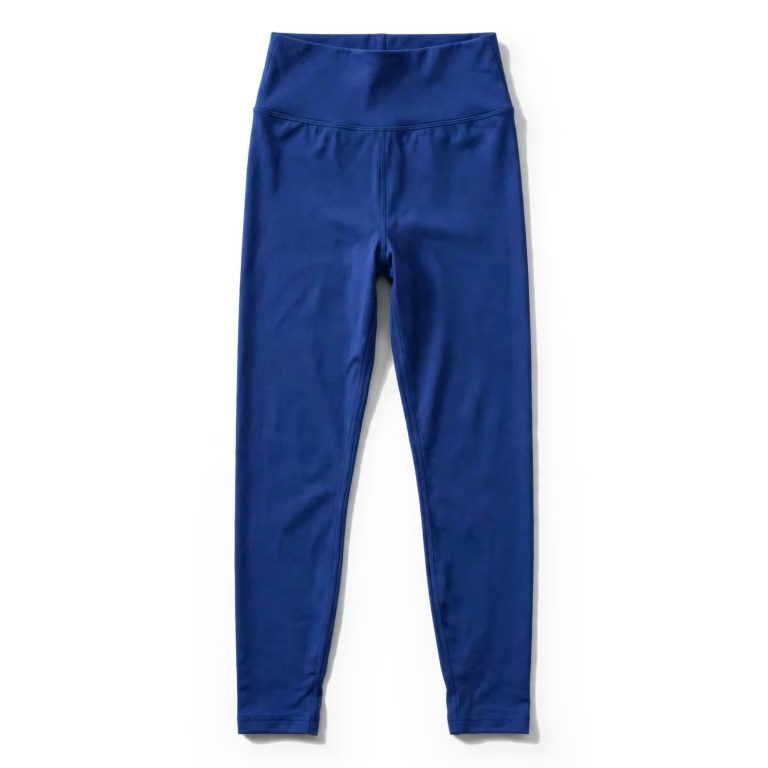
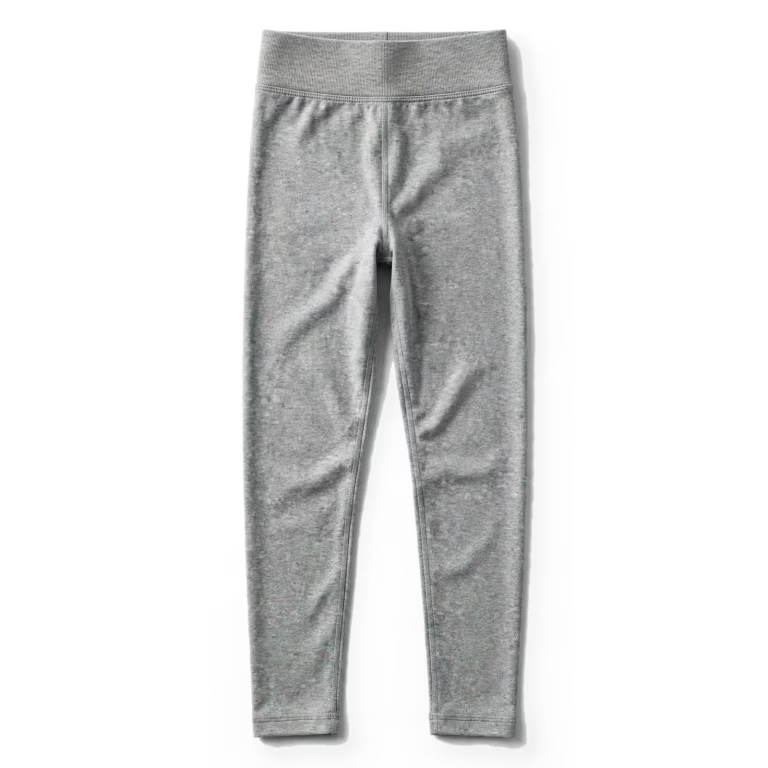
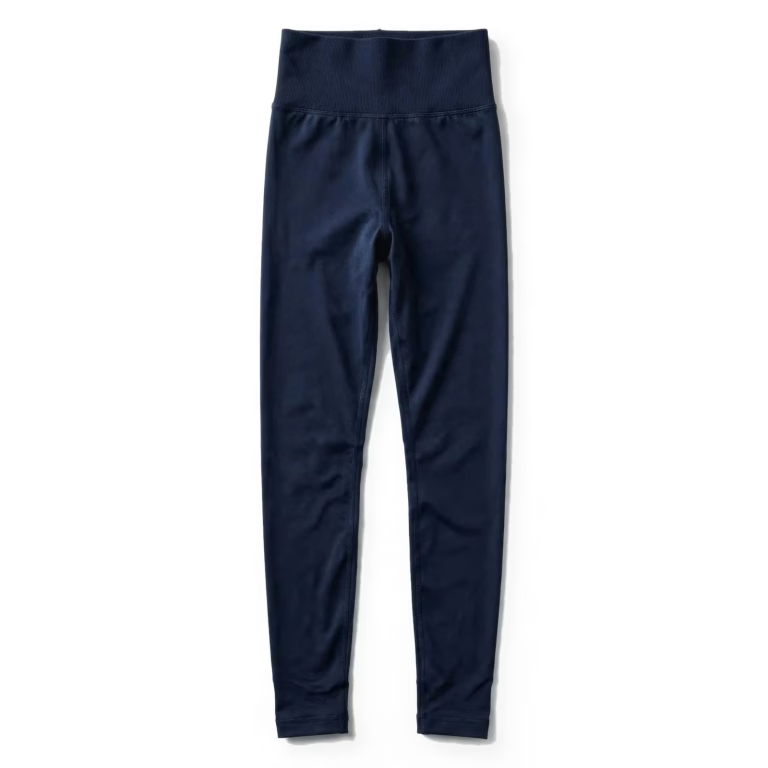
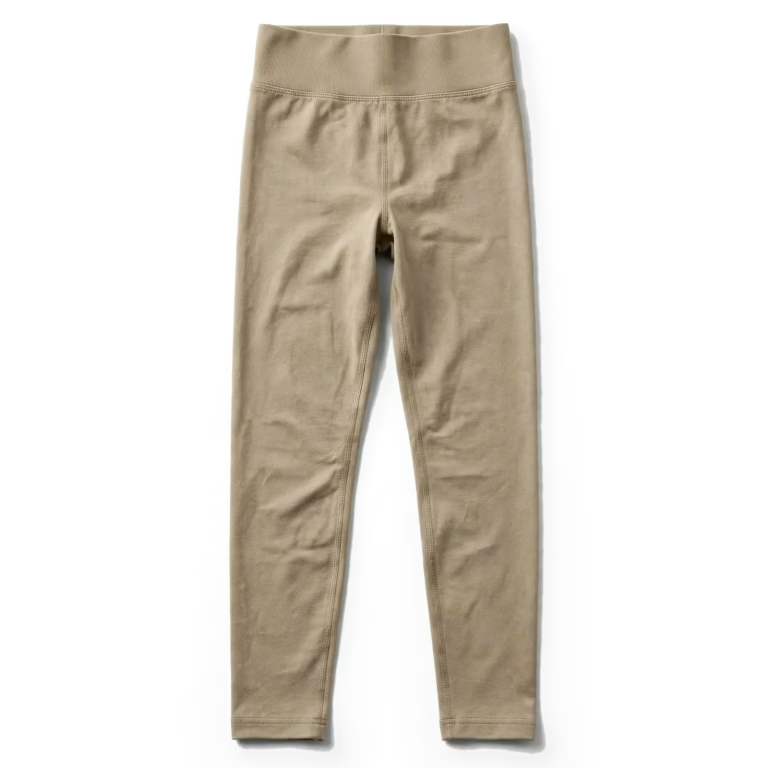
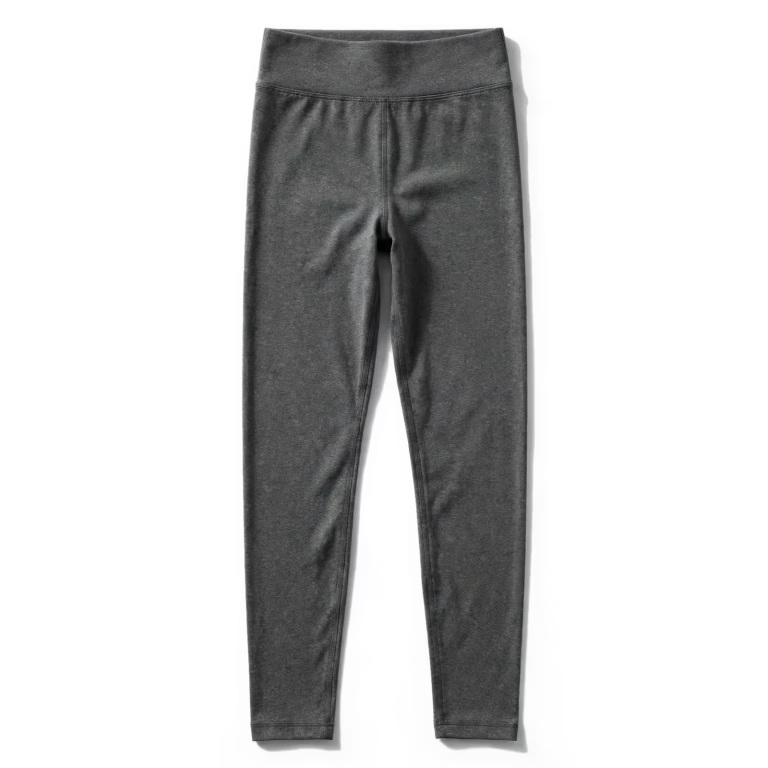
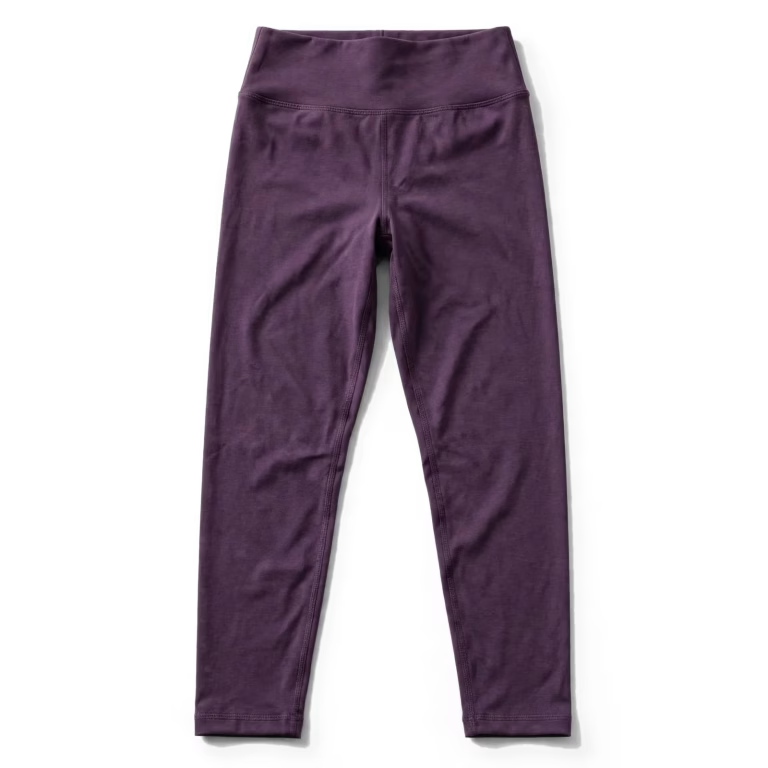
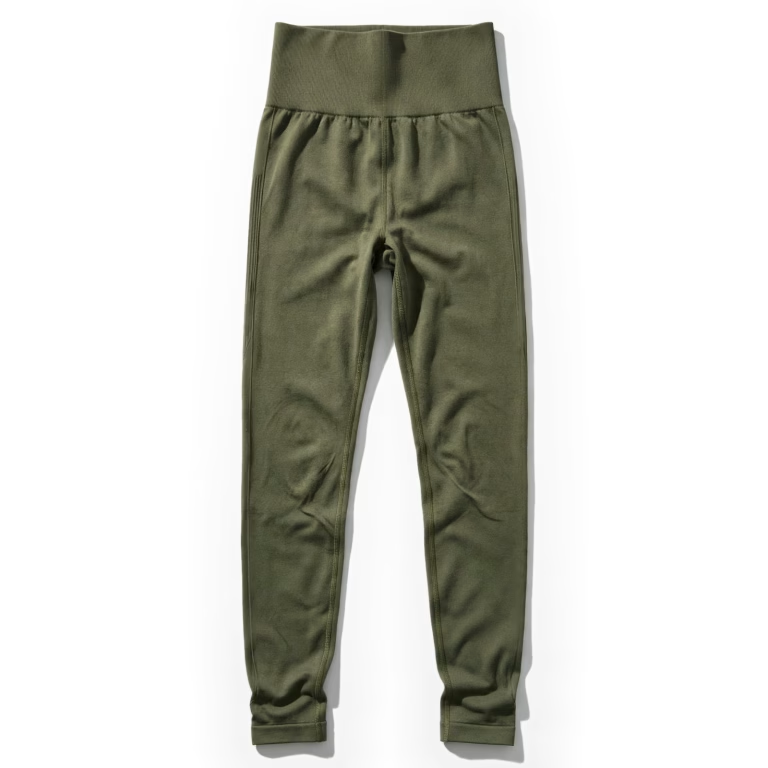
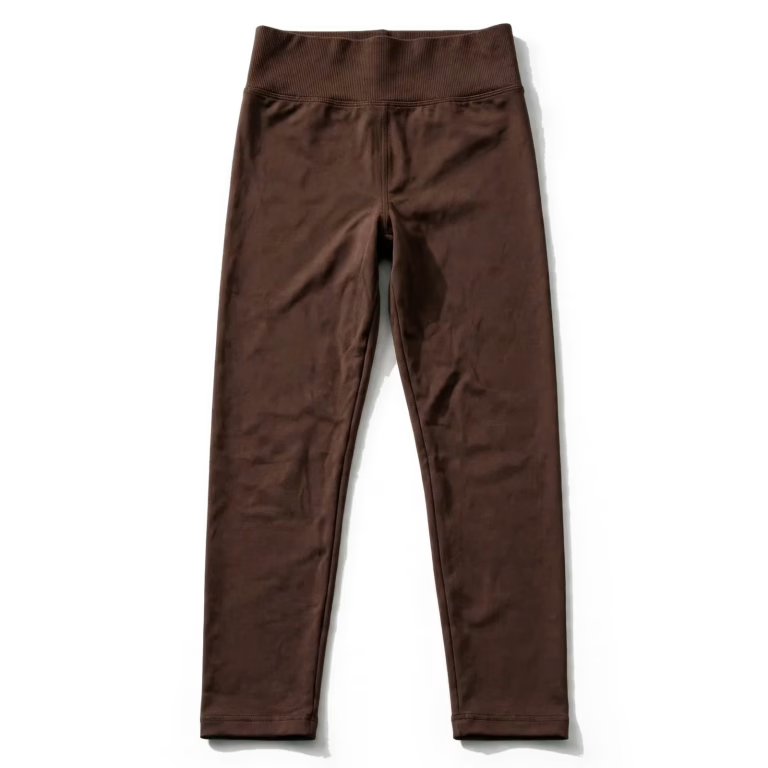
Leggings Manufacturer Bangladesh for Activewear, Fashion and Everyday Programmes
A pair of leggings serves as gym wear at seven in the morning, a fashion basic under a long top by noon and loungewear by evening – often the same pair. That triple life is why the category keeps growing across activewear, high-street fashion and school and uniform programmes alike. It is also why buyers are loyal when a pair is right: the fit either respects the body or fights it, and there is no third possibility. Our leggings lines run the style as a specialism, with pattern, fabric and waistband decisions made per programme rather than inherited from a single house style.
Leggings Fabric Options
- Cotton with elastane at 200 to 240 GSM – the everyday legging fabric, opaque, soft and breathable
- Polyester and elastane performance knits for sport and yoga, with four-way stretch and moisture management
- Brushed and peached performance fabrics for a soft, premium active hand feel
- Ribbed and textured knits for fashion leggings worn as a trouser alternative
- Heavier ponte and double-knit fabrics for structured styles and cooler seasons
Every fabric, whatever its family, passes the same two gates before it is offered: an opacity check stretched over a form in standard light, and a recovery check after repeated stretching.
Leggings Styles, Rises and Lengths
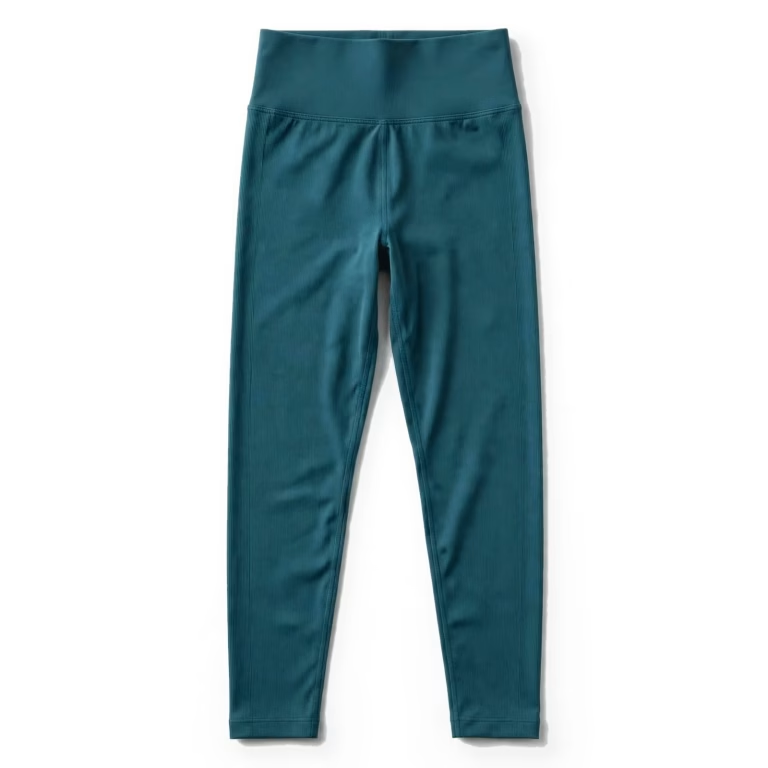
Full-length, seven-eighths, capri and cropped lengths cover the programme families, with high-rise, mid-rise and classic waist positions graded per style. Fashion styles add stirrup, split-hem and ribbed-cuff variants; sport styles add side pockets sized for a phone, mesh panels and reflective trims where the brief asks; maternity and plus programmes are cut on their own blocks with waistbands designed for their wearers, not adapted from the standard. Girls and school leggings follow the same construction standards in their own size runs. Inside-leg lengths are graded in real steps per size rather than stretched from one block, and a longer tall length is available without changing the rise – a combination high-street programmes ask for constantly and cheaper grading cannot deliver. Where a range spans both fashion and sport, we usually advise two rises on one fabric rather than two fabrics: the customer learns the fit once and buys it twice.
Waistband, Gusset and Flat Seam Craft
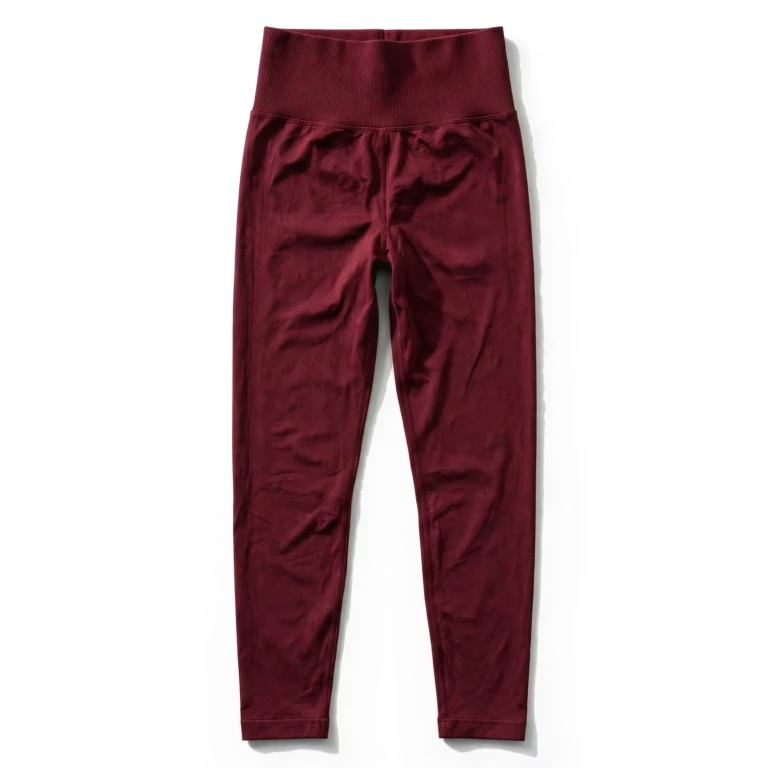
Three constructions decide whether leggings are loved or returned. The waistband is elasticated and stitched so it holds without digging – width, elastic quality and stitch flex matched to the rise – and on premium styles it is a shaped, double-layer band with no separate elastic to roll. The gusset at the crotch is a proper diamond or triangular insert, which is what lets the garment move without strain at the seam. And the seams themselves are flatlocked or overlocked flat where they meet skin and load, so nothing ridges under movement or under a fitted top.
Custom Printing, Panels and Branding
All-over prints run by sublimation on polyester bases, carrying patterns that stay registered around the leg because the print is applied to the fabric before cutting and matched at the seams. Side-stripe and panel designs are cut-and-sewn from dyed fabrics, small logos sit at the hip, calf or waistband, and private label programmes add printed waistbands, woven labels and branded packaging. Matching tops programmes often pair leggings with our custom sportswear line so the set shares fabric behaviour and shade.
Custom Sizes, Fits and Colours
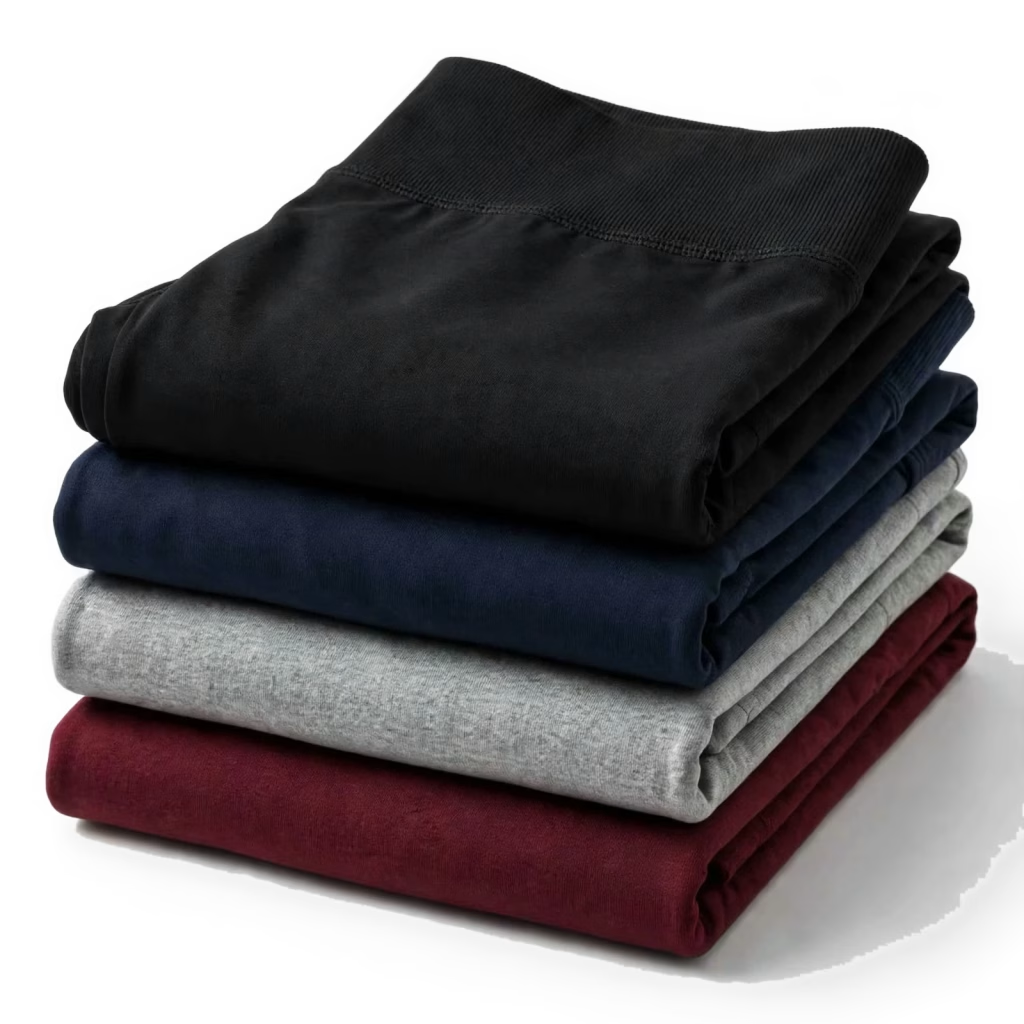
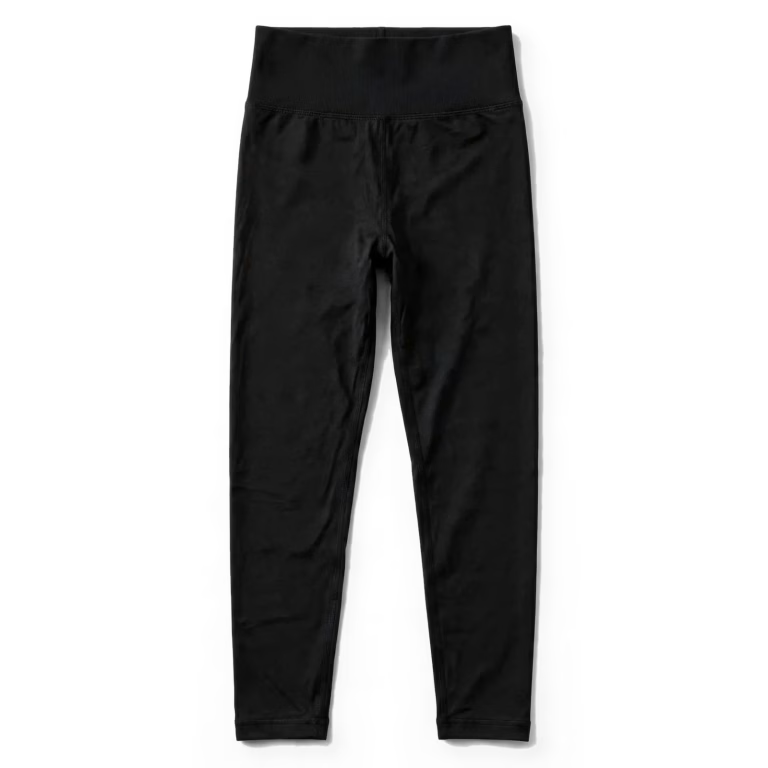
Sizes run XS to 3XL in the core range with plus and tall developments available, and the grading respects the garment: leg length, rise and waist grow in their own proportions, never by one percentage applied to everything. Black anchors every programme – and black is the hardest shade to keep opaque and true, which is why its fabric is specified first – followed by navy, charcoal, grey marl and seasonal fashion colours dyed to order. Colour sets are approved together under standard light so a multi-colour order hangs as one range.
Leggings Sampling and Fit Testing
Leggings are sampled on a form and on a wearer where the buyer arranges it, and the tests are physical: squat and stretch for opacity, a wear trial for waistband behaviour, wash and re-check for recovery and shade. The sample is made in the production fabric lot family, never a substitute cloth, because stretch fabrics vary more between lots than any woven. Approval records the fabric lot standard alongside the measurements, and bulk fabric is checked back against both before cutting begins.
Quality Assurance and Production Follow-Up
Stretch and recovery are measured per fabric lot; waistband tension and dimensions are checked at first output; finished pairs are inspected for seam flatness, gusset setting and opacity, and measured at waist, hip and leg against the graded record. Final AQL inspection with photographs closes the order, and results go to the buyer as a file. For a garment this dependent on fabric behaviour, the follow-up includes the fabric position in every update, since a leggings programme is really two productions – the cloth and the garment – moving together.
Leggings for Gyms, Yoga Studios and Fashion Retail
Sport programmes judge leggings in motion and in the wash, weekly, for years. Yoga and studio ranges judge the waistband through a class – it must not need adjusting mid-practice, which is a pattern and elastic decision, not a hope. Fashion retail judges the legging as a trouser: opacity absolute, surface clean, fit consistent enough that a customer buys three colours in one visit. School and uniform programmes add the parent test of endless washing. One disciplined production base serves all four, with the fabric and rise tuned to each.
Why Source Leggings from Bangladesh?
Leggings reward a maker who controls both knitting and sewing, because the fabric is half the product. Bangladesh’s knitwear belt knits elastane jerseys and performance fabrics locally, sews them on lines experienced with stretch garments and their tensions, and does both at a cost structure that keeps active and fashion programmes profitable at retail. Export routines to the USA, Europe, the UK, Canada, Australia, the Middle East and East Asia are long established, and the category’s growth means capacity and skills are deep rather than borrowed.
Why Choose Siatex Bangladesh?
We have manufactured in Bangladesh since 1987, and our leggings programmes repeat because the unglamorous controls repeat: fabric gates before cutting, waistband standards on the inspection sheet, approved samples standing behind the bulk. One accountable team handles fabric, pattern, print and packing, and the specification file makes a reorder the same garment, not a relative of it. Buyers building a full active range can run the matching tops through the same team that produces our tank top t-shirts for training programmes.
Looking for a Leggings Manufacturer Bangladesh?
Send the style, the rise, the length and the fabric you have in mind, and we will return a price, a fabric swatch and a sampling plan. If opacity or waistband behaviour on your current supply is the problem, name it – those are the first two tests the sample round will put in front of you.
Siatex Bangladesh
Made in Bangladesh
OEM/ODM Private Label Production Only
The Opacity Test – How We Check a Legging Is Never Sheer
Sheerness appears under stretch and light, so that is how it must be tested: the fabric drawn over a curved form at wearing tension, viewed in bright standard light and again backlit, darkest shade first because black and navy fail before pastels do. Cotton elastane below about 200 GSM rarely passes as a standalone fashion legging, whatever the sample feels like in the hand; performance polyester passes at lower weights because the yarn and knit differ. We record the tested fabric and its weight on the approval file, and bulk fabric is re-checked against that record – a supplier change or a lighter lot is caught at the gate, not in a customer review. Buyers can run a home version of the test in a minute: stretch the sample legging over the knee in a bright room and look through it at a window; if skin tone and detail read clearly, the fabric will not survive a squat in a gym.
Waistbands That Stay Up – Elastic, Shape and Stitch
A waistband fails in three ways: it rolls, it digs, or it slowly travels down. Rolling comes from narrow or single-layer bands on a high rise; digging from elastic stronger than the style needs; travelling from a band cut to the waist measurement without accounting for the fabric’s own stretch. The fixes are construction choices: a wider or double-layer shaped band for high-rise and yoga styles, elastic quality specified and tested rather than assumed, and the band graded with the garment so larger sizes get hold without harshness. The sample wear trial is where these choices prove themselves, which is why we ask buyers to wear the sample, not just measure it.
Grading Leggings – Why One Percentage Never Works
A legging has three fit stories at once: the waist must hold, the hip must stretch, and the leg must reach. Grade all three by one percentage and tall sizes end with a waistband at the ribs while petite sizes drown at the ankle. Our blocks grade rise, leg length and waist in separate steps per size, with the gusset and knee position moving correctly through the run. Buyers in the USA, Europe and Canada who have seen returns cluster at the largest and smallest sizes have usually been sold the one-percentage grade – the returns map is the tell.