
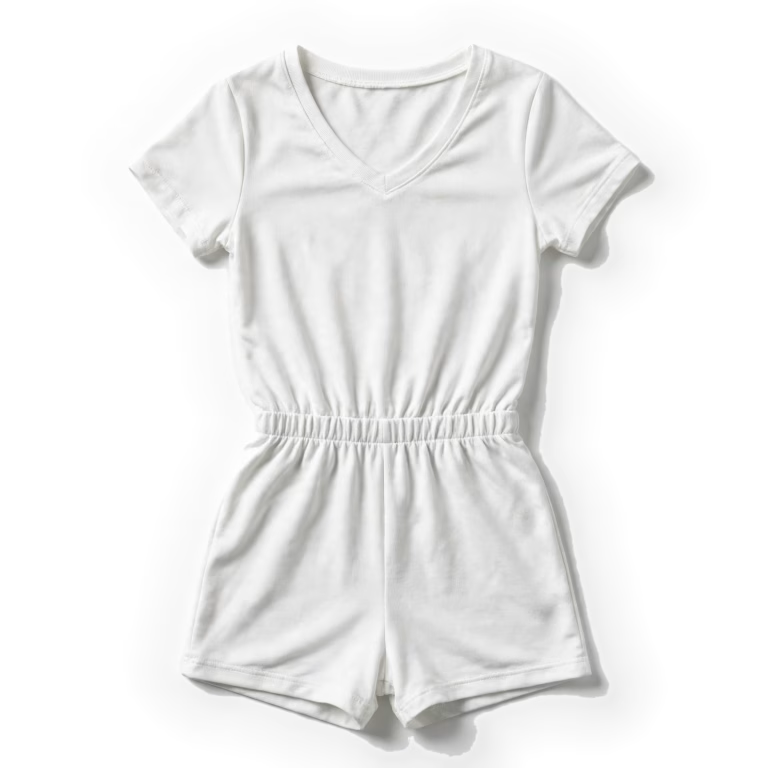
Rompers Manufacturer Bangladesh for Fashion Playsuits and Baby Ranges
Every romper buyer is purchasing proportion. The fashion brand needs the playsuit’s waist, body and short leg to land as one designed silhouette, not a top sewn to a short; the baby brand needs leg snaps that line up garment after garment so changes are quick. Both are buying pattern discipline: bodies and legs graded together, fastenings set as a system, one shade standard across the whole piece. That discipline is how our romper lines are run – as standing programmes with patterns, snap specifications and shade files recorded per style.
The Romper Range We Manufacture
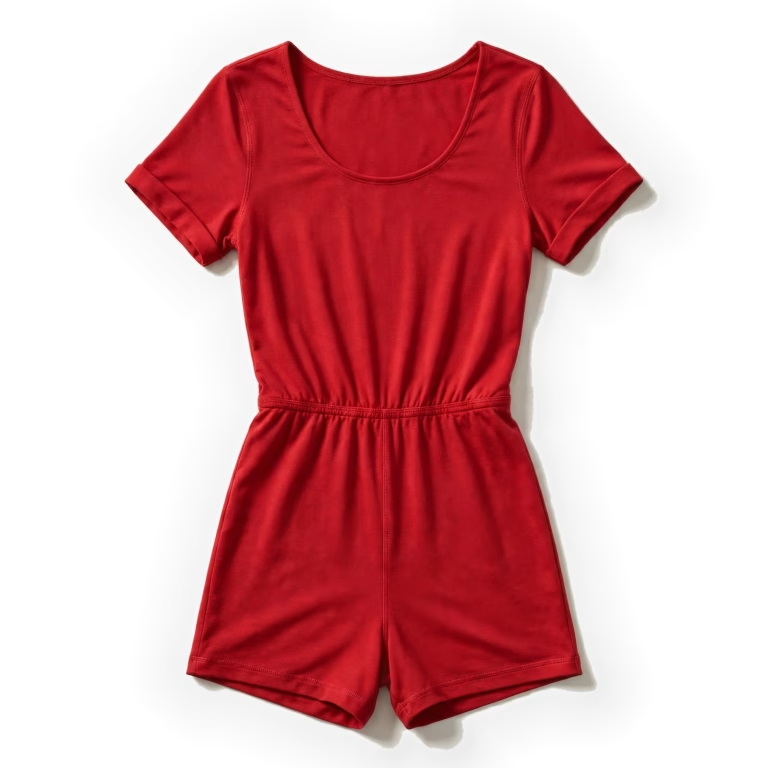
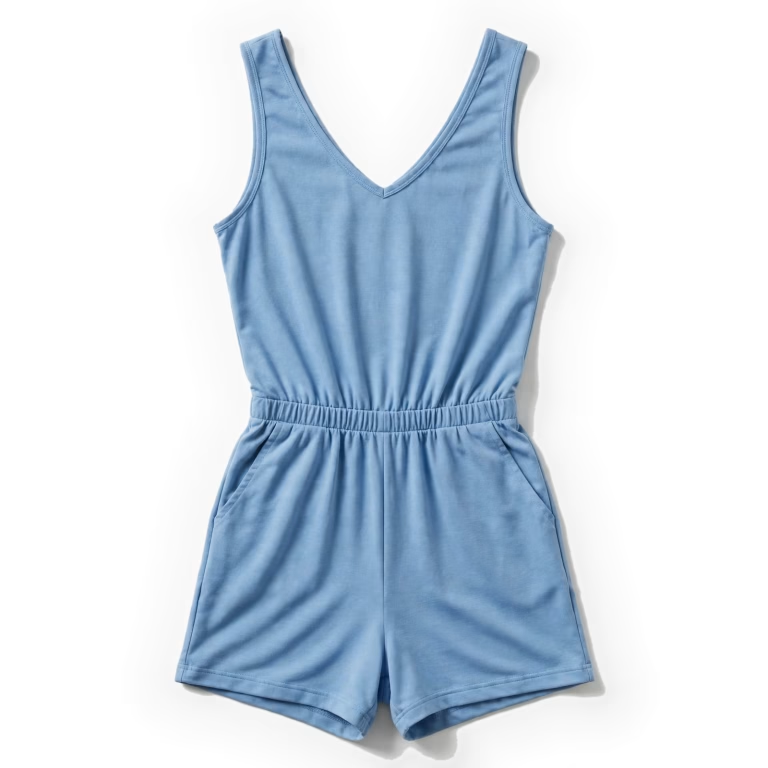
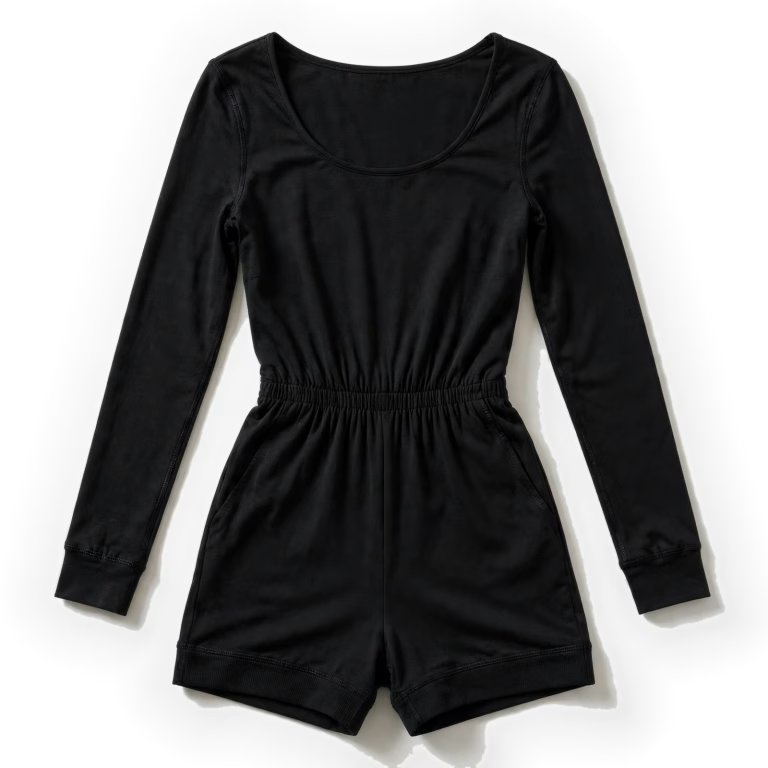
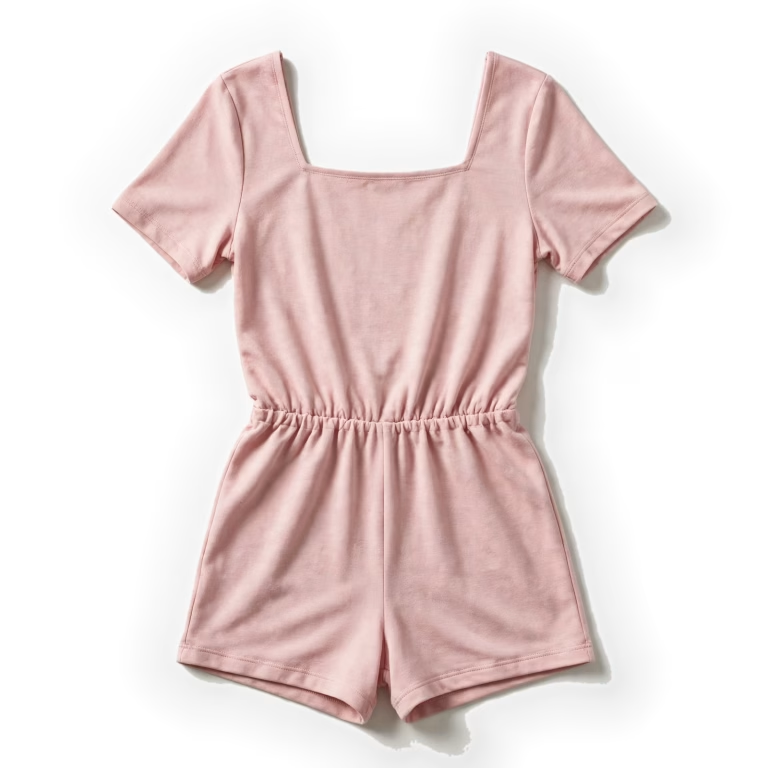
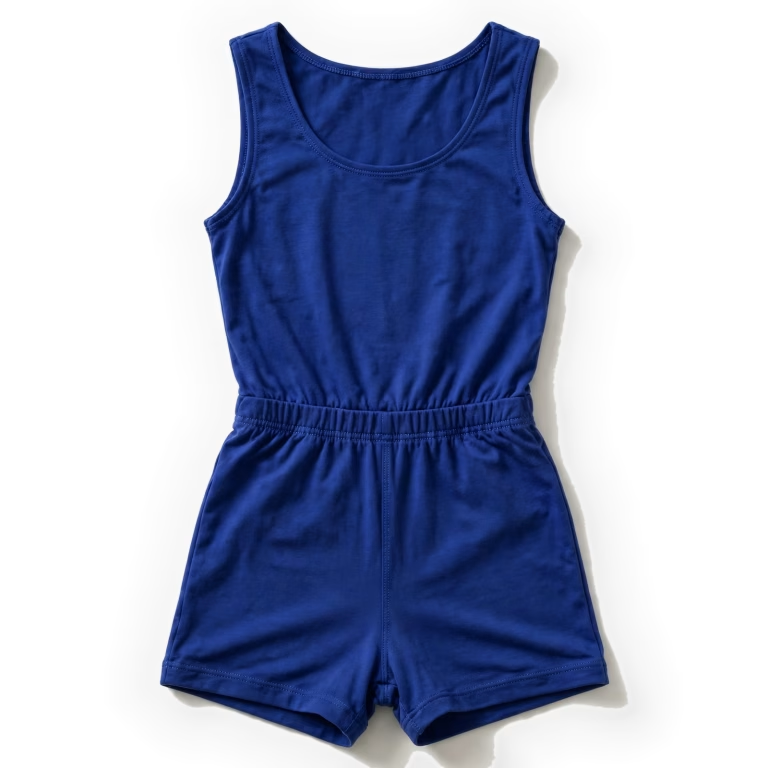
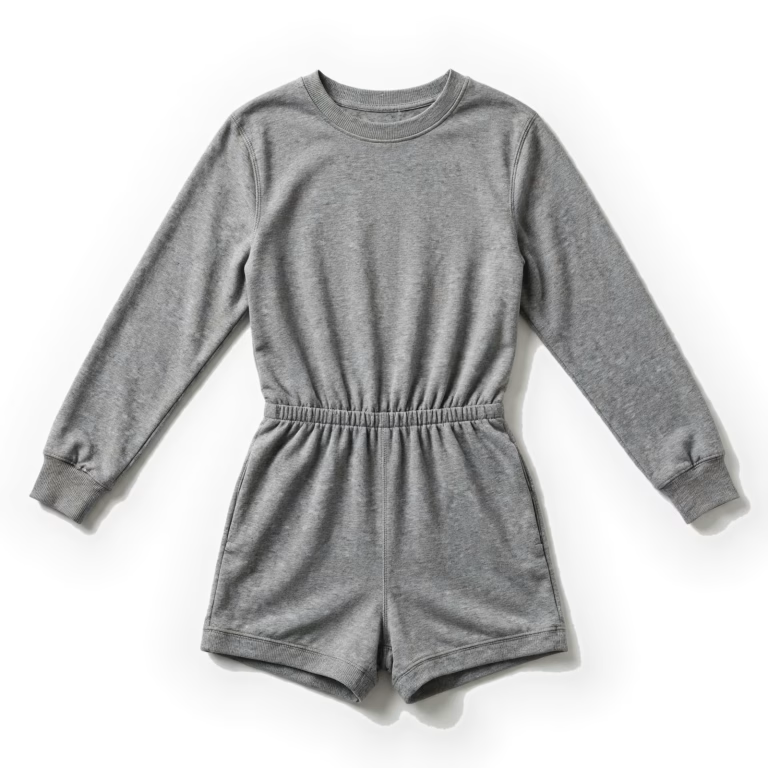
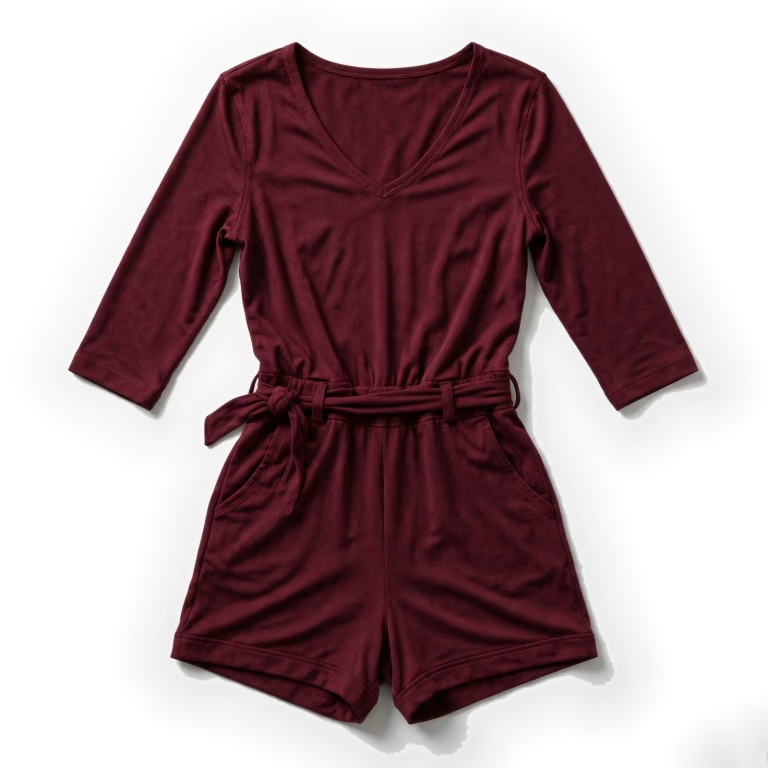
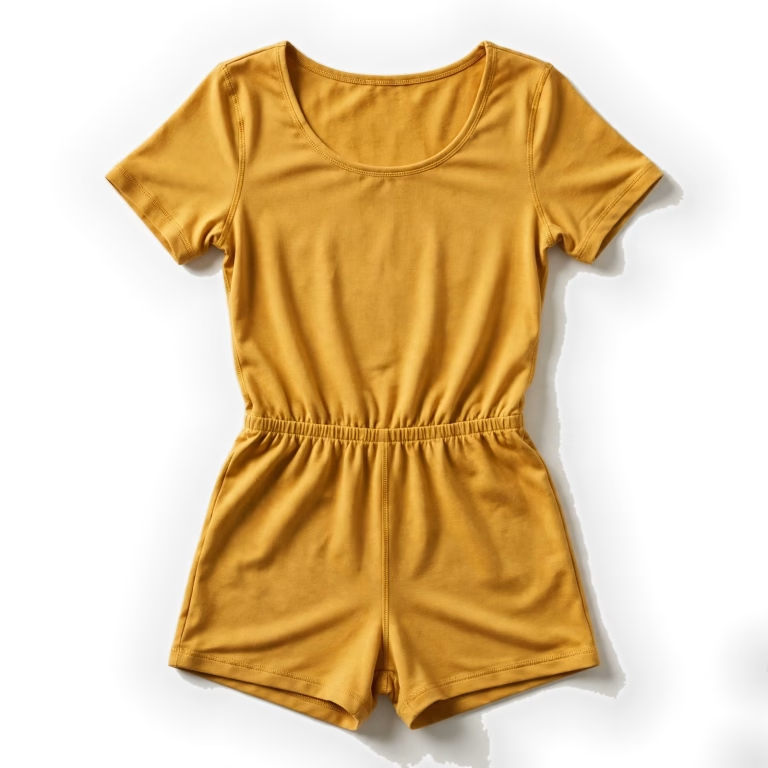
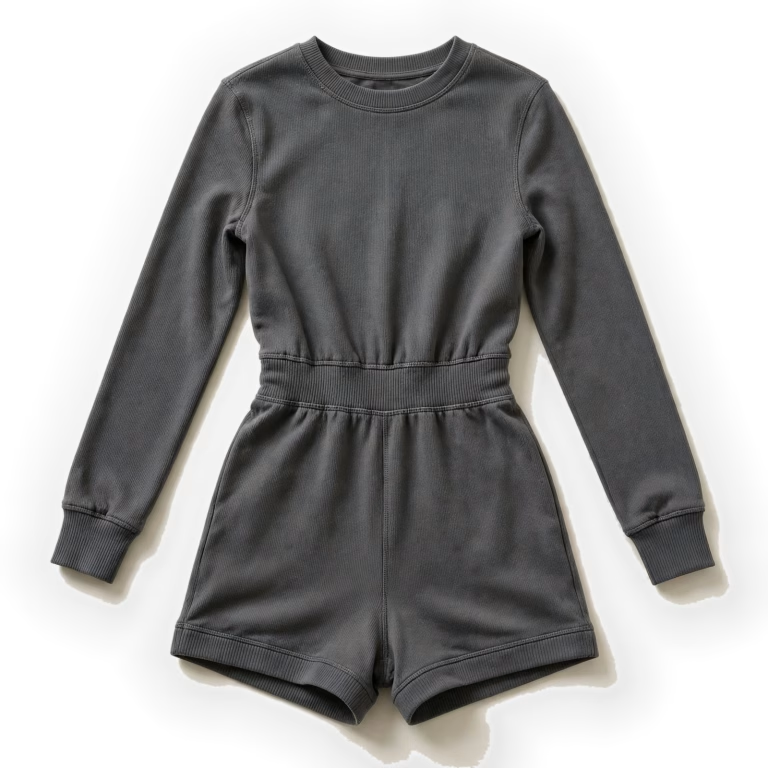
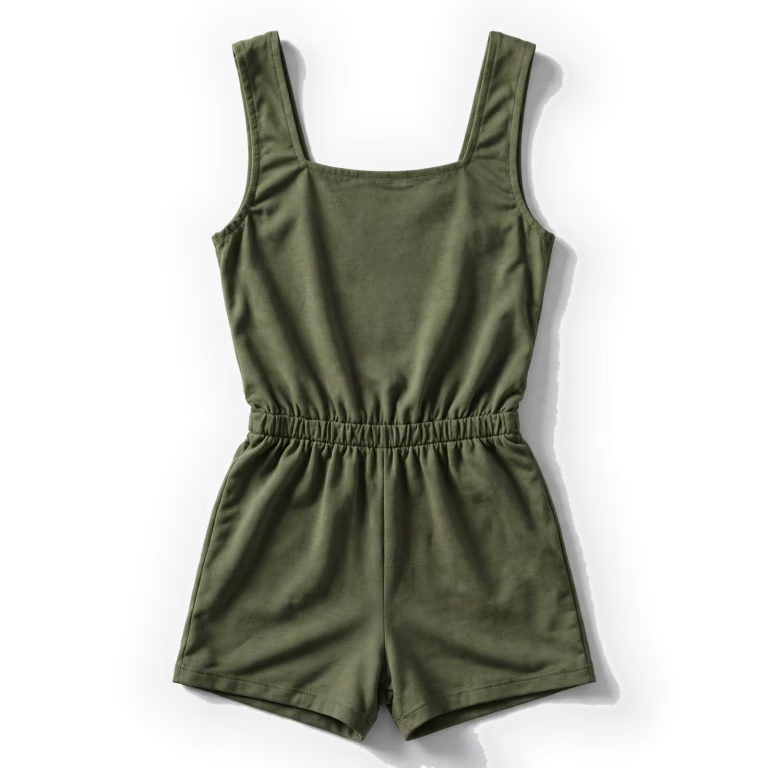
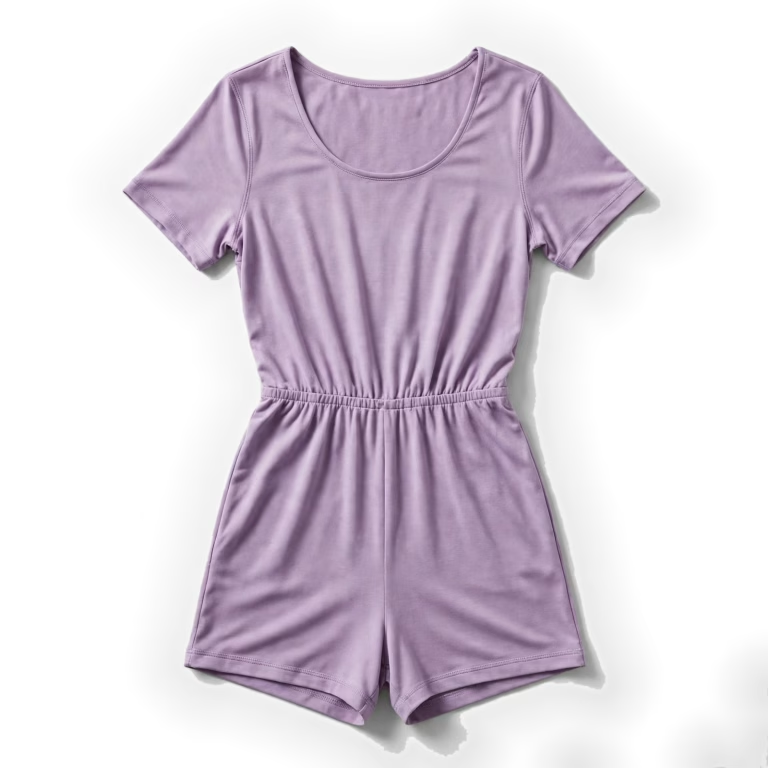
- Women’s playsuit rompers – short-leg one-pieces with fitted, belted-look and relaxed waists
- Sleeveless, short-sleeve and long-sleeve styles – scoop, V, square and shirt-style necklines
- Baby rompers – short and long styles with leg and crotch snaps, newborn to 24 months
- Kids rompers and jumpsuit styles – for junior ranges in the same programme
- Utility and shirt rompers – chest pockets and button-front looks in knit fabrics
Every style is knitted, dyed, cut and sewn under one roof, so a programme mixing women’s playsuits and baby rompers is planned as one order with one snap standard and one shade file across the range.
Fits, Bodies and Size Ranges
Women’s rompers are patterned on ladies blocks, sizes XS to 3XL, with the torso length and the leg graded as one system – a playsuit fails when the body is right and the rise is wrong, so rise and inseam sit on the chart beside chest and waist, with short, regular and cropped leg options per style. Waists are shaped, elasticated or drawstring-finished to the design, and ease is placed where movement needs it. Baby rompers are graded in the small age bands, newborn to 24 months, with nappy allowance in every band and leg snaps spaced for fast changes.
Making Craft – Leg Snaps, Rises and Waist Finishing
The romper’s reputation is made below the waist. Leg and crotch snaps are nickel-free, set in reinforced fabric and aligned the same way on every garment, tested by fastening and stress on the inspection sample of every style. The rise is sewn to the pattern’s curve so the garment sits without pulling at front or back, and inseams are finished flat so nothing rubs. Waist treatments – elastic channels, drawstrings with finished ends, shaped seams – are built to hold their position through a day’s wear and a season’s washing, and leg hems are bound or turned to sit smooth on women’s styles and soft on baby styles.
Custom Printing, Embroidery and Branding
Romper branding follows the garment’s one-piece logic: chest prints and pocket embroidery placed for a worn silhouette, all-over prints where a fashion range asks for them, and printed neck labels keeping the inside smooth. Belt-look trims, branded buttons on shirt rompers and woven labels are handled inside the same order, as is retail presentation – folded, bagged and ticketed. Buyers building the one-piece story often develop rompers beside our bodysuits, so the two ranges share necklines, shades and snap standards across the season.
Custom Sizes, Colours and Programme Planning
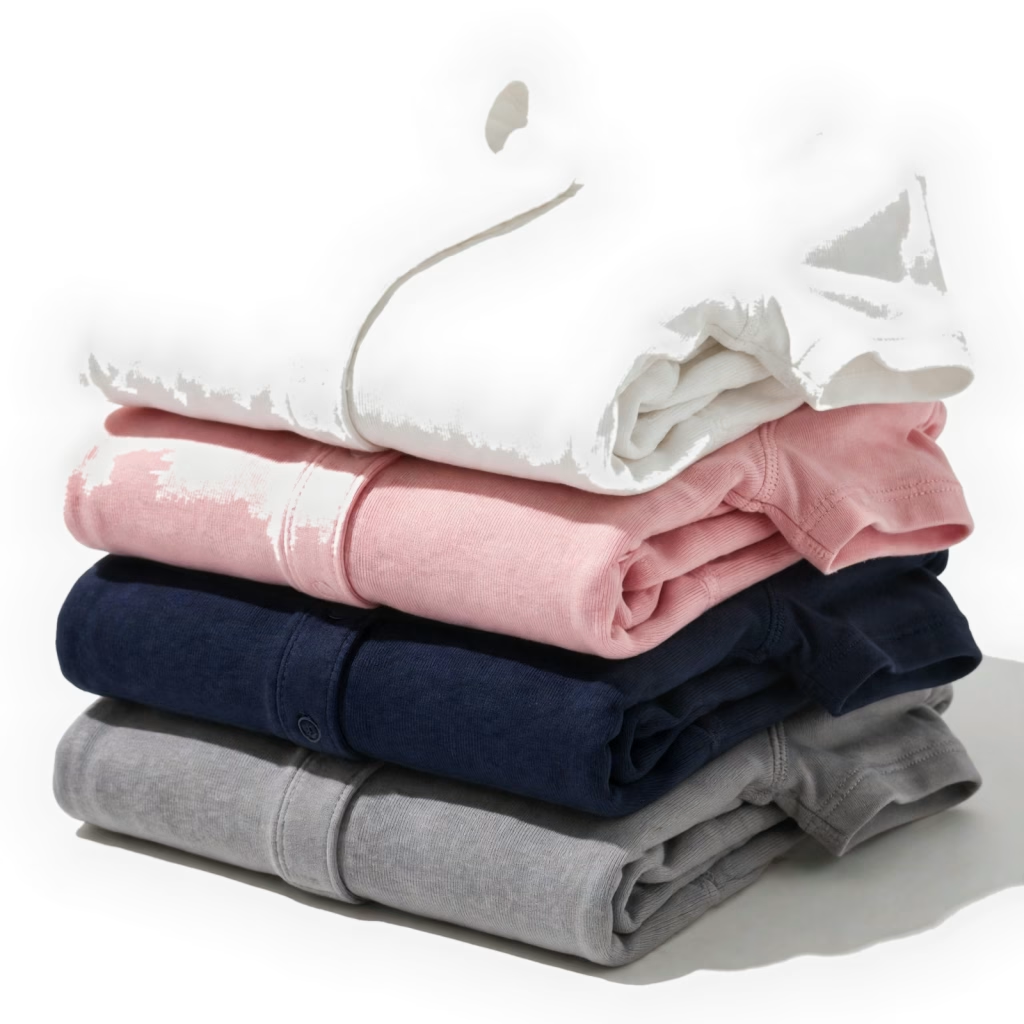
The romper core palette – white, black, navy, grey marl, pink, red, royal and burgundy – runs as standard colours, with fashion shades and prints dyed and printed to order against a swatch or Pantone reference. Because a romper is one piece in one colour, shade consistency within the garment is absolute – there is no second piece to hide a drift behind – so every fabric lot is checked across the full cut before sewing. Every colour is approved as a lab-dip before knitting starts, and the approved standard is held on file so reorders match the original exactly. Programmes are planned with the buyer around seasons: leg lengths and sleeves rotating over a proven body.
Romper Sampling and Product Development
Samples are made in the production fabric with the production snaps and trims, finished as the bulk will be, because a romper can only be judged worn – walked in, sat in, and for baby styles, changed out of. Buyers receive samples across the size set where a body is new, and comments on rise, leg line and waist position are turned into revised samples before approval. The approved pieces – with fabric swatches and trim cards – become the standards the bulk is checked against at final inspection. Baby rompers are sampled in the same round as our baby clothing range, so bands and shades approve together.
Quality Assurance and Production Follow-Up
Fabric is checked for weight and shade before cutting; snaps are attachment-tested per style; finished garments are measured against the chart – torso, rise and inseam included – and inspected for the faults rompers show first: twisted legs, waistbands that roll, snap rows that wander, prints placed for a hanging garment instead of a worn one. Final AQL inspection closes each style, with photographs and results shared to buyers in Europe, the USA and beyond as a matter of routine. One named contact follows the programme from fabric booking to final carton.
Rompers for Fashion Brands, Retailers and Baby Labels
Fashion brands buy the silhouette – a complete outfit in one garment, engineered to fit like separates chosen well. Retailers buy breadth on one standard: necklines, sleeves and leg lengths rotating over a proven body through the season. Baby labels buy the fastening craft and the softness discipline, band after band, in sets with the rest of the nursery range. One production standard serves all three when the patterns, the proportions and the snap specifications are held properly.
Why Source Rompers from Bangladesh?
Bangladesh offers the full knitwear chain in one place – knitting, dyeing, cutting and sewing – which keeps a romper programme economical instead of letting fabric freight on every style eat the margin. The country’s sewing depth shows in the operations rompers demand most: curved rise sewing, snap setting, waist channel work and clean finishing at volume across many styles at once. Add export routines proven daily into the USA, Europe, the UK, Canada, Australia, the Middle East and East Asia, and a full one-piece range can be planned on dates that hold.
Why Choose Siatex Bangladesh?
We have manufactured in Bangladesh since 1987, and rompers – women’s and baby – are a standing line in our factory with their own pattern discipline. Your range sits with one team from fabric booking to final carton; the charts, shades and snap specifications are recorded as one programme file; and the samples you approved are physically present at the inspection of the bulk. A romper programme with us is not a series of separate orders – it is one standard of proportion and fastening, held across every style.
Looking for a Rompers Manufacturer Bangladesh?
Send the styles, the leg lengths and the quantities, and we will return prices per style, fabric swatches for the knits you chose and a sampling plan. If the range is new, say which body it builds on – we will sample the core body first, because every neckline and leg in a romper range inherits its proportions from that one pattern.
Siatex Bangladesh
Made in Bangladesh
OEM/ODM Private Label Production Only
The Rise – The Curve That Decides Whether a Romper Fits
Every one-piece garment stands or falls on its rise – the curve from front waist through to back waist that sets how the body and the leg meet. Too short and the garment pulls with every step; too long and it bags and twists. Unlike a chest or a waist, the rise cannot be judged on a flat table, because it is a length measured around a moving body. Serious romper programmes wear-test the rise across the size set, grade it independently of the leg length, and record it on the chart as its own line. When you compare suppliers, ask how they grade the rise; a one-piece specialist answers immediately, a general maker changes the subject.
One Piece, One Shade – The Consistency Test a Romper Cannot Hide From
A two-piece outfit forgives a whisper of shade difference between top and bottom; a romper forgives nothing, because the eye reads the whole garment as one field of colour. That makes rompers the strictest shade test in knitwear: the fabric for body and legs comes from the same lot, cut panels are shade-sorted before sewing, and finished garments are checked under standard light across their full length, not at one point. Buyers should hold samples against a window and turn them slowly – drift that hides in a folded sample announces itself on a hanging one-piece. It is also why romper programmes hold their shade file per style rather than per season: one garment, one lot, one reading under the light.
Snap Rows That Line Up – Fastening as a System, Not a Trim
On a romper, the snaps are not a detail; they are the mechanism the whole garment depends on – down the legs of a baby romper, at the base of a playsuit. A row that wanders by a few millimetres garment to garment makes changes slow and panels gape, and the wearer blames the brand, not the trim. We set snaps to a marked standard per style, space them for the fabric’s stretch, and test the row – fastened, stressed, refastened – on the inspection sample of every style. Ask any supplier to fasten their sample ten times quickly; systems feel identical every time, habits do not.