
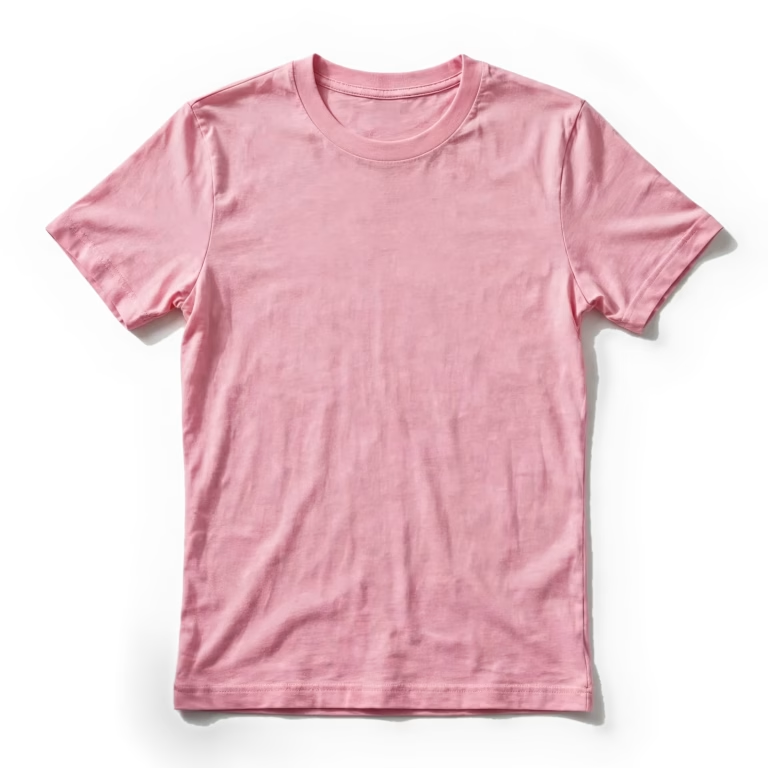
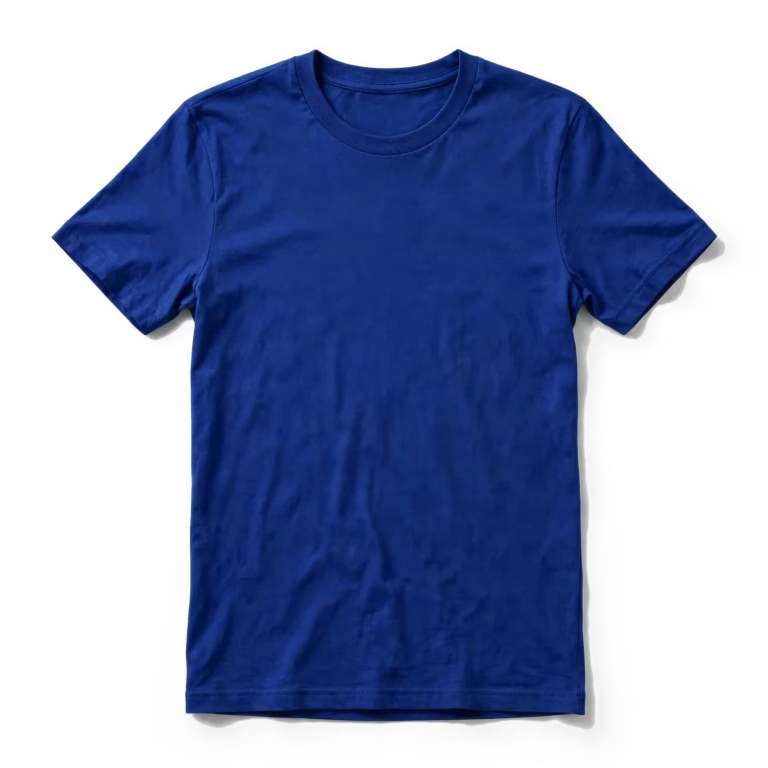
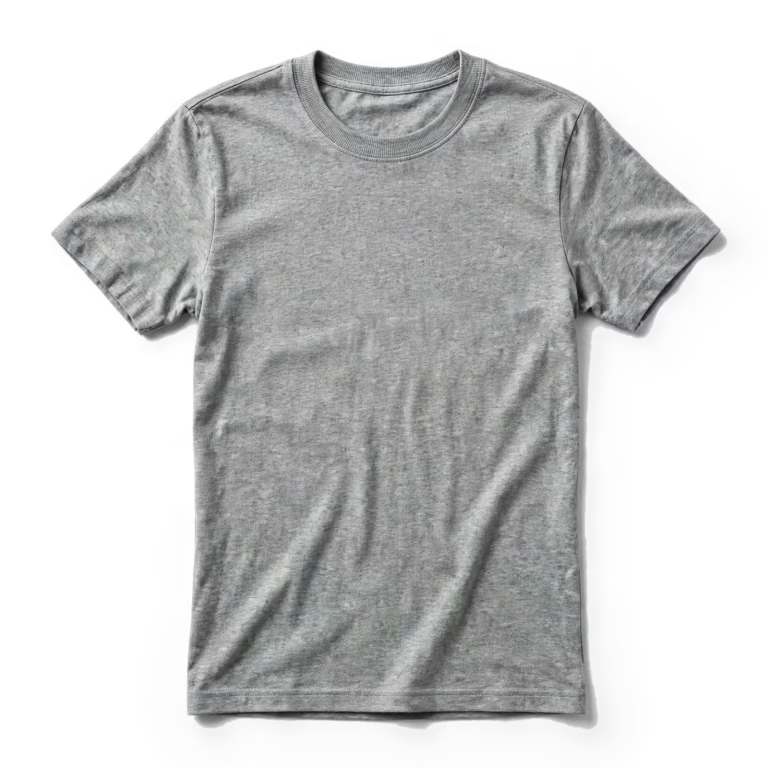
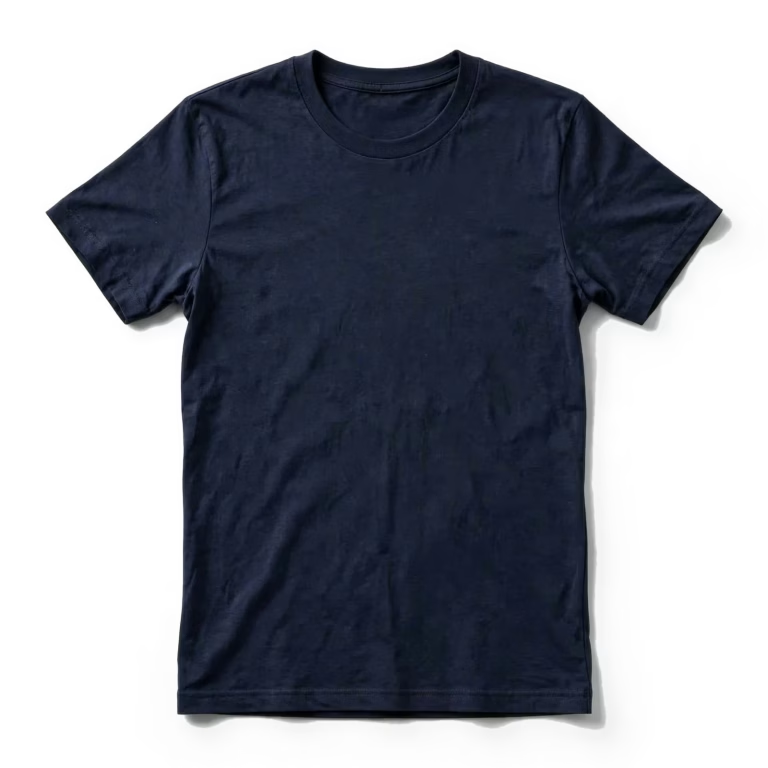
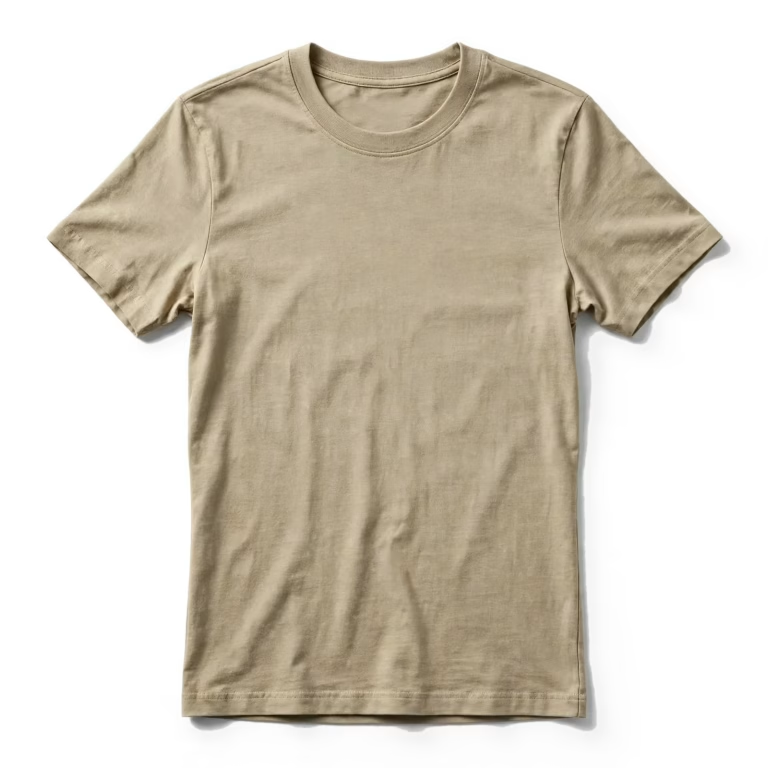
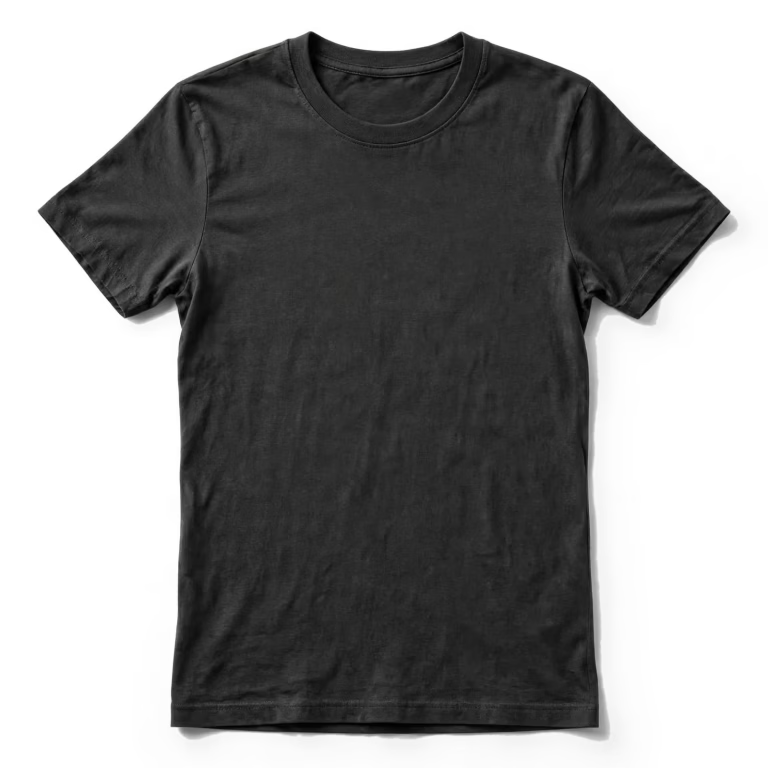
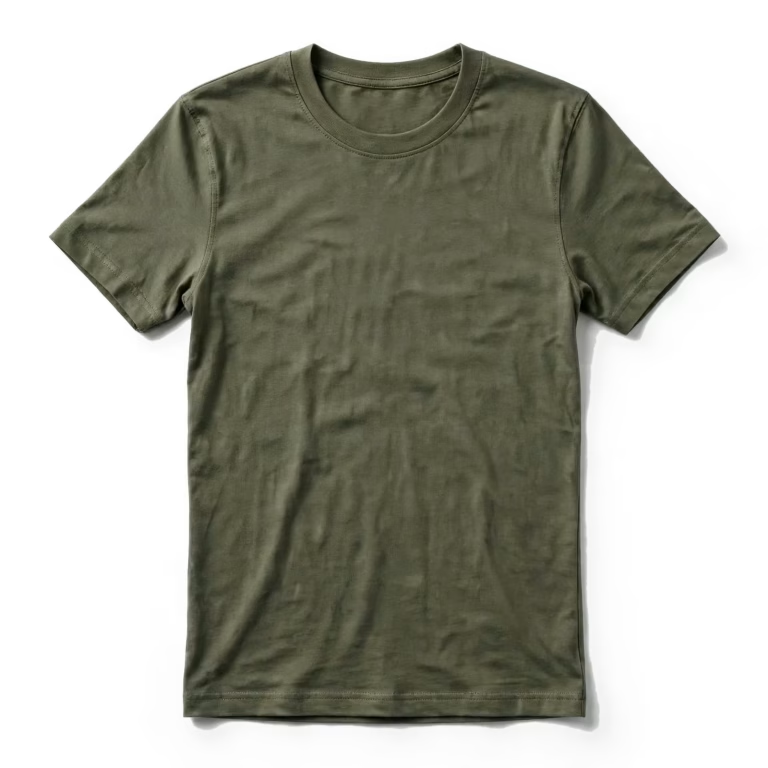
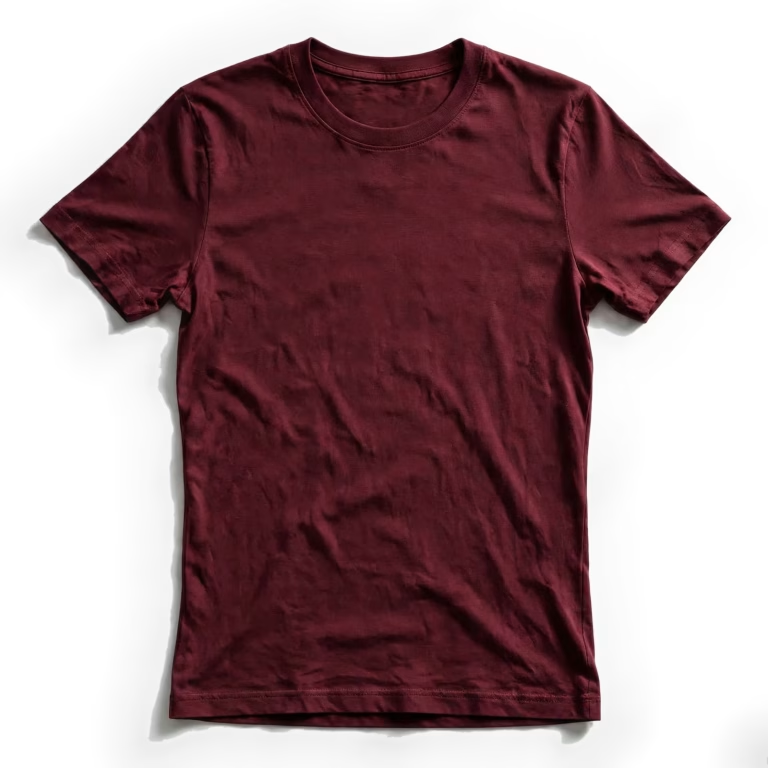
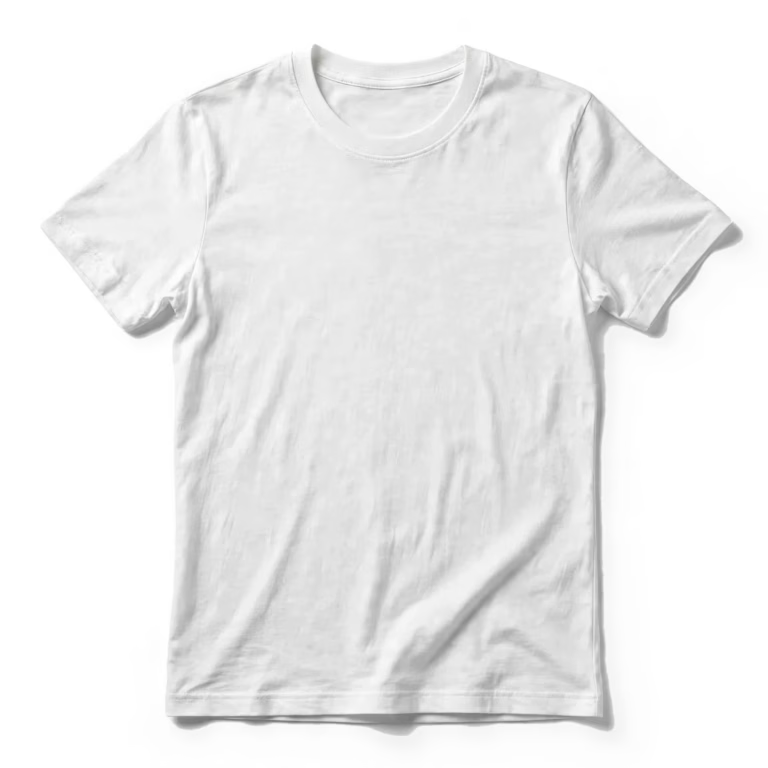
Slim Fit T-Shirt Manufacturer Bangladesh for Fashion Brands and Modern Basics
The slim fit tee is the fashion end of the basics business: the shirt under a blazer, the premium plain sold on its cut, the uniform for staff whose employer wants a sharp line. Its buyers compare it against the body, not against other shirts, which makes fit consistency the entire product – a slim tee that varies between sizes or between orders is simply a broken promise. Our slim blocks are graded carefully, sampled on stands and fit models, and held on file so a brand’s signature cut repeats exactly across colours, weights and seasons.
Slim Fit T-Shirt Fabric Options
- Cotton with 5 percent elastane at 160 to 180 GSM – the standard slim fabric, close fit with real recovery
- 100 percent combed cotton at 170 to 190 GSM for a natural-hand slim with a firmer drape
- Modal and cotton blends for a softer, smoother premium hand feel
- Pima and long-staple cotton jerseys for top-tier basics programmes
- Ribbed and textured jerseys for fashion styles where the surface is part of the design
Elastane content is stated honestly on every quotation, because recovery after fifty washes is the difference between a slim tee and a stretched one.
Slim Fit Cuts, Necklines and Sleeve Lines
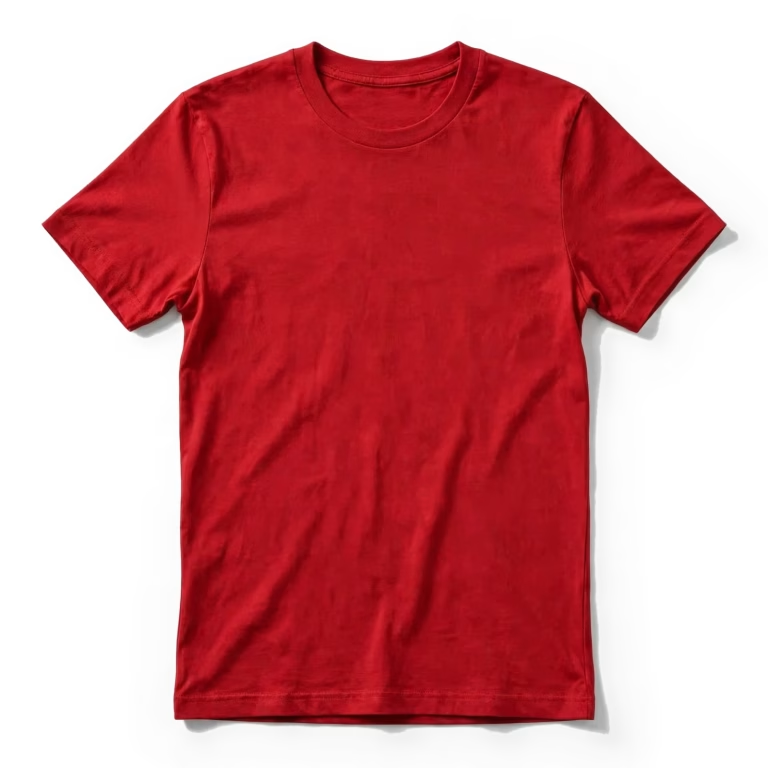
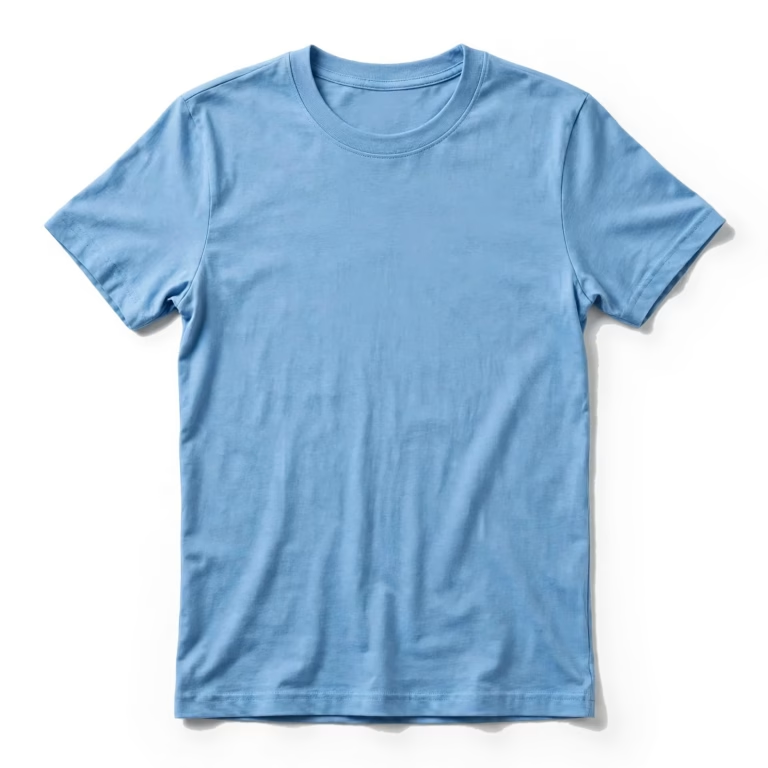
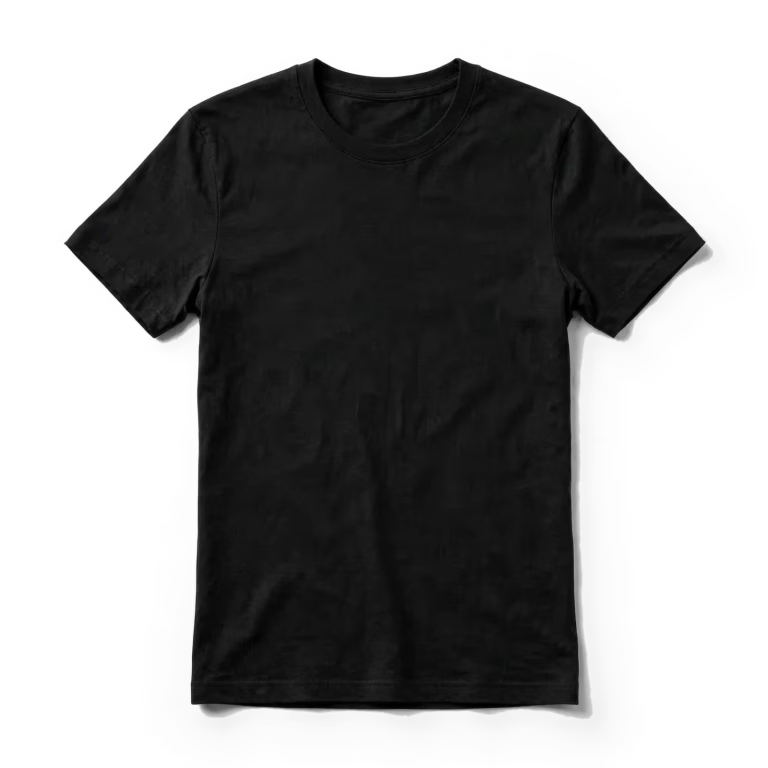
The classic slim crew sits close at the chest, trims through the waist without pulling, and finishes at a length that tucks or wears loose. Necklines run crew, V and scoop, each redrawn for the slim block rather than borrowed from the regular pattern – a regular neckline on a slim body sits wrong at the shoulder. Sleeves are shorter and closer, set to follow the arm, and long sleeve slim versions extend the line into winter ranges. Ladies slim fits are a fully separate development, shaped at bust and waist, not a smaller mens shirt. A slightly longer slim body is available for tuck-in programmes and for markets that prefer the line worn over trousers, and a cropped slim version serves fashion ranges – all three lengths graded from the same block so a brand can offer the family without three developments.
Grading, Shaping and Construction Craft
Slim fit is grading discipline. Each size is its own balance of chest, waist, shoulder and length; scale a regular pattern down by a formula and the result is a tight shirt, not a slim one. Side seams are placed to keep the front clean, the body is cut so the waist suppression sits at the natural waist, and collars and hems are finished with stitch settings that flex with an elastane fabric instead of fighting it. At inspection, slim garments are measured at waist as well as chest – the measurement most suppliers skip is the one this style is bought for.
Custom Printing, Embroidery and Branding
On a close garment, print placement tolerance tightens: a chest graphic sits higher and more precisely than on a regular tee, and our print floor registers slim runs against the approved sample piece by piece. Small embroidery, tonal prints and minimal branding suit the style’s quiet character, while private label finishing – woven or printed neck labels, slim branded packaging – completes the premium presentation. Brands that run the same design across fits order the regular counterpart from our crew neck t-shirts programme so the two cuts share fabric, shade and artwork standards.
Custom Sizes, Fits and Colours
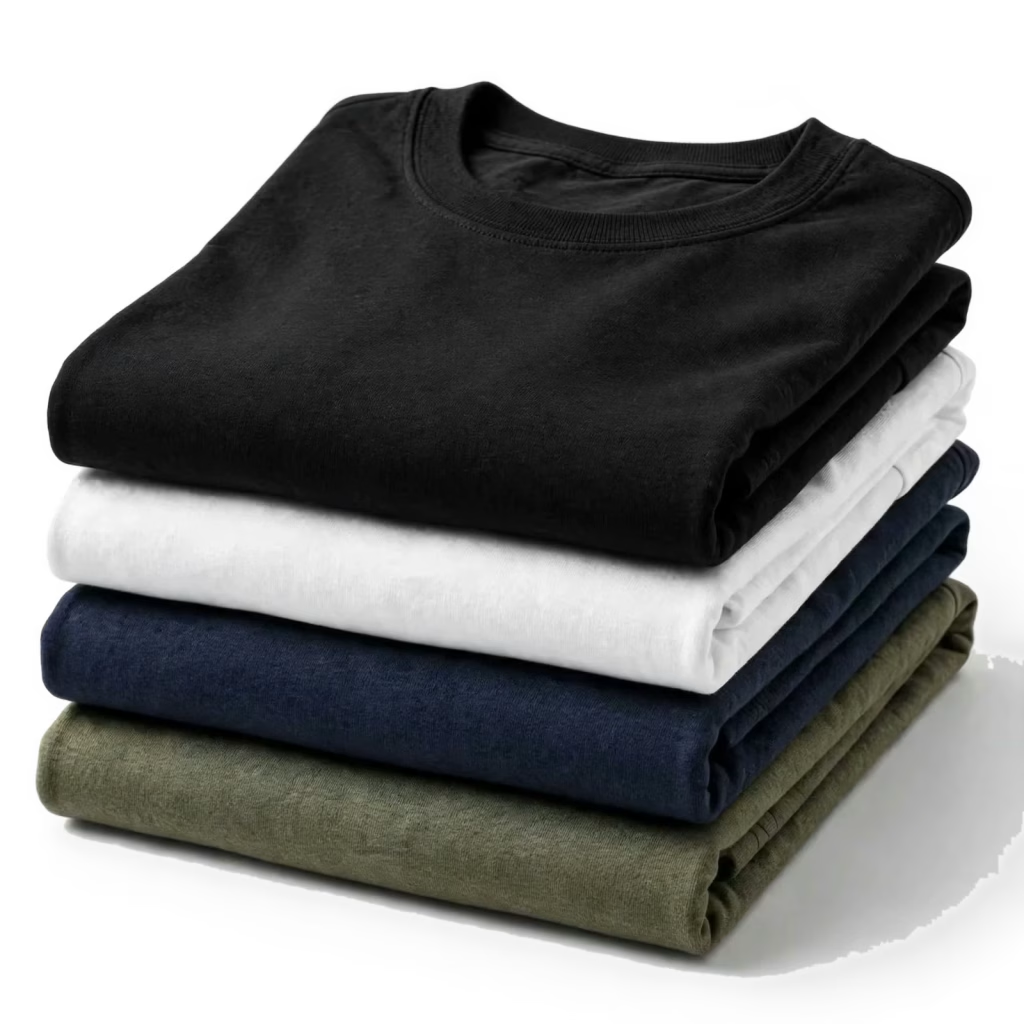
Sizes run XS to 2XL as the slim core, with selected styles extended where a market asks, and every size is fit-checked rather than merely measured. Colour programmes follow fashion basics: black, white, navy, grey marl and olive as the permanent core, seasonal fashion shades dyed to order. Because slim customers often buy the same shirt in five colours, shade consistency across the set is treated as a single approval, not five separate ones – the set is checked together under standard light before release.
Sampling and Fit Model Approval
Slim samples are approved on a body. We make them in the production fabric, photograph them on a stand front, side and back, and courier them for fit-model sessions; the feedback that matters – where it pulls, where it bags, how the sleeve sits – comes back in those sessions and is worked into a revised pattern where needed. Two rounds are normal for a new slim block and cheap insurance: once the block is right, it becomes the brand’s asset, held on our file and reusable across every future style built on it.
Quality Assurance and Production Follow-Up
Beyond the standard fabric, print and AQL checks, slim production adds fit audits: garments pulled from the line at intervals and checked against the full measurement set including waist and sleeve opening, because elastane fabrics drift under sewing tension in a way stable fabrics do not. Recovery is spot-tested by stretching and re-measuring collar and waist. Results and photographs go to the buyer as routine, and the named contact on the programme can answer for the fit of any carton, not just its count.
Slim Fit Tees for Premium Basics, Staff Wear and Layering
Premium basics brands sell the slim tee as the perfected plain – bought repeatedly, in multiples, by customers who notice a two-centimetre drift. Hospitality and airline-adjacent staff programmes choose it for a tailored line under waistcoats and jackets. As a layer, the slim tee sits flat under shirts and knitwear without bunching, a growing segment in Europe and East Asia. Each of these buyers punishes inconsistency faster than any other segment we serve, which is why the style is a good test of a factory – and why we are comfortable being tested with it.
Why Source Slim Fit T-Shirts from Bangladesh?
Slim production needs two things at once: elastane and fine jersey knitting done well, and sewing hands careful enough for close garments where every seam shows. Bangladesh’s knitwear belt supplies both at a cost that keeps premium basics profitable, with the fabric, dyeing and trims sourced in one region and export routines to the USA, Europe, the UK, Canada, Australia, the Middle East and East Asia running daily. Fashion lead times are respected here because basics and fashion lines run side by side all year.
Why Choose Siatex Bangladesh?
We have manufactured in Bangladesh since 1987, and our fit library – regular, slim, relaxed, ladies, youth – is one of the factory’s real assets: blocks built, tested and refined across years of buyer programmes. A slim order with us is handled by one team from pattern to carton, sampled on the body, audited in production, and filed so the next season’s order starts from a proven block. Buyers who also need the volume story behind the style will find it on our bulk t-shirts page.
Looking for a Slim Fit T-Shirt Manufacturer Bangladesh?
Send a reference garment, a size chart or photographs of the fit you want, with the fabric and quantity, and we will return a price and a first sample built to the line. If your current slim supply drifts between orders, say which measurement wanders – we will show you at sampling how a held block stops it.
Siatex Bangladesh
Made in Bangladesh
OEM/ODM Private Label Production Only
Slim, Fitted or Just Small – Reading a Fit Honestly
The market uses slim, fitted and tailored loosely, but the pattern room cannot afford to. A true slim fit is a rebalanced garment: narrower shoulder, higher armhole, suppression at the waist and a closer sleeve, in the customer’s normal size. A shirt that is merely a size smaller keeps regular proportions and simply feels tight everywhere, especially across the back and under the arms. When you brief a slim programme, give the maker a fit reference rather than an adjective, and check the sample across the back and in movement – a slim tee should let the wearer raise both arms without the hem leaving the waistband.
Elastane Content – How Much Recovery Does the Style Need?
At 5 percent elastane, a cotton jersey gains reliable recovery for a close fit while keeping a natural hand; at 8 to 10 percent the garment turns noticeably stretch-led, suiting very fitted fashion styles but changing the drape and the print behaviour. Pure cotton slim tees exist and look superb on day one, but they bag at the waist and elbow by day thirty unless the cotton is a premium long-staple knit with tight construction. The honest specification names the elastane percentage and the wash test it must pass – our standard is measurement recovery checked after five washes at approval, not a claim on a data sheet. Ask any slim-fit supplier for that washed measurement record; a maker with a real standard will produce it without hesitation, and the answer tells you more than a factory tour.
Holding a Signature Fit Across Seasons and Colours
A brand’s slim block is an asset, and like any asset it needs custody. We hold the master pattern, the measurement record and the approved fit sample together, version them when a buyer requests a change, and never silently re-grade. Dark and light colours in elastane fabrics can sew slightly differently; the fit audit catches it because the audit measures garments, not intentions. Buyers across the USA, Europe and East Asia who have lost a signature fit to a supplier’s quiet pattern change will recognise the value of that paperwork immediately – it is the difference between a reorder and a redevelopment.