
Garment Research and Development Services in Bangladesh
Every successful garment range starts long before the first bulk order is cut. At Siatex Bangladesh, our research and development services turn a buyer's idea, sketch or reference garment into a production-ready product - with the fabric, pattern, fit and cost all proven before sampling even begins.
As a garment manufacturer and exporter in Bangladesh, we run research and development as a working part of production, not a separate promise. The same merchandisers and technicians who develop your product stay with it into sampling and bulk, so what is decided at the development table is what arrives in the carton.
We develop ranges for private label brands, importers and retail buying teams in Germany, France, the Netherlands, the UK, the USA and Canada, and for buyers building new programmes in Japan, South Korea and the UAE. Send us a sketch, a tech pack or a garment to match - the development starts from wherever you are.
Garment Research and Development Services in Bangladesh for Private Label Brands
Good development saves a buyer money twice – once by preventing mistakes before bulk production, and once by building a product that sells through at retail. The sections below explain how our development service works, from the first market question to a style that is ready for sampling and bulk.
1. Market and Trend Research for Clothing Brands in Europe and North America
Development starts with the market the garment will be sold in. A fleece programme for German and Dutch winter retail needs different weights, colours and price points from a leisure range built for the USA or Canada, and a style aimed at Japan or South Korea follows different fit and finish expectations again. We study your selling season, your price architecture and your end customer before a single fabric is proposed.
That research shapes every later decision. It is the same discipline we apply across our own ranges, from fleece pullovers to seasonal casual wear, where the market decides the fabric weight, the colour story and the fit block long before the sewing lines are involved.
2. Tech Pack Development for Garment Manufacturing in Bangladesh
Many buyers arrive with a sketch, a photograph or a reference garment rather than a finished specification. Our team builds the complete tech pack from what you send: construction details, stitch types, seam allowances, measurement charts, grading rules, label placement and packaging requirements, all written down so the factory floor and your quality team read the same document.
A clear tech pack protects you at every later stage. It is what sampling is priced against, what bulk production is checked against, and what a reorder is repeated from, season after season, without the drift that creeps in when specifications live in email threads.
3. Fabric and Trim Research for Private Label Clothing Production
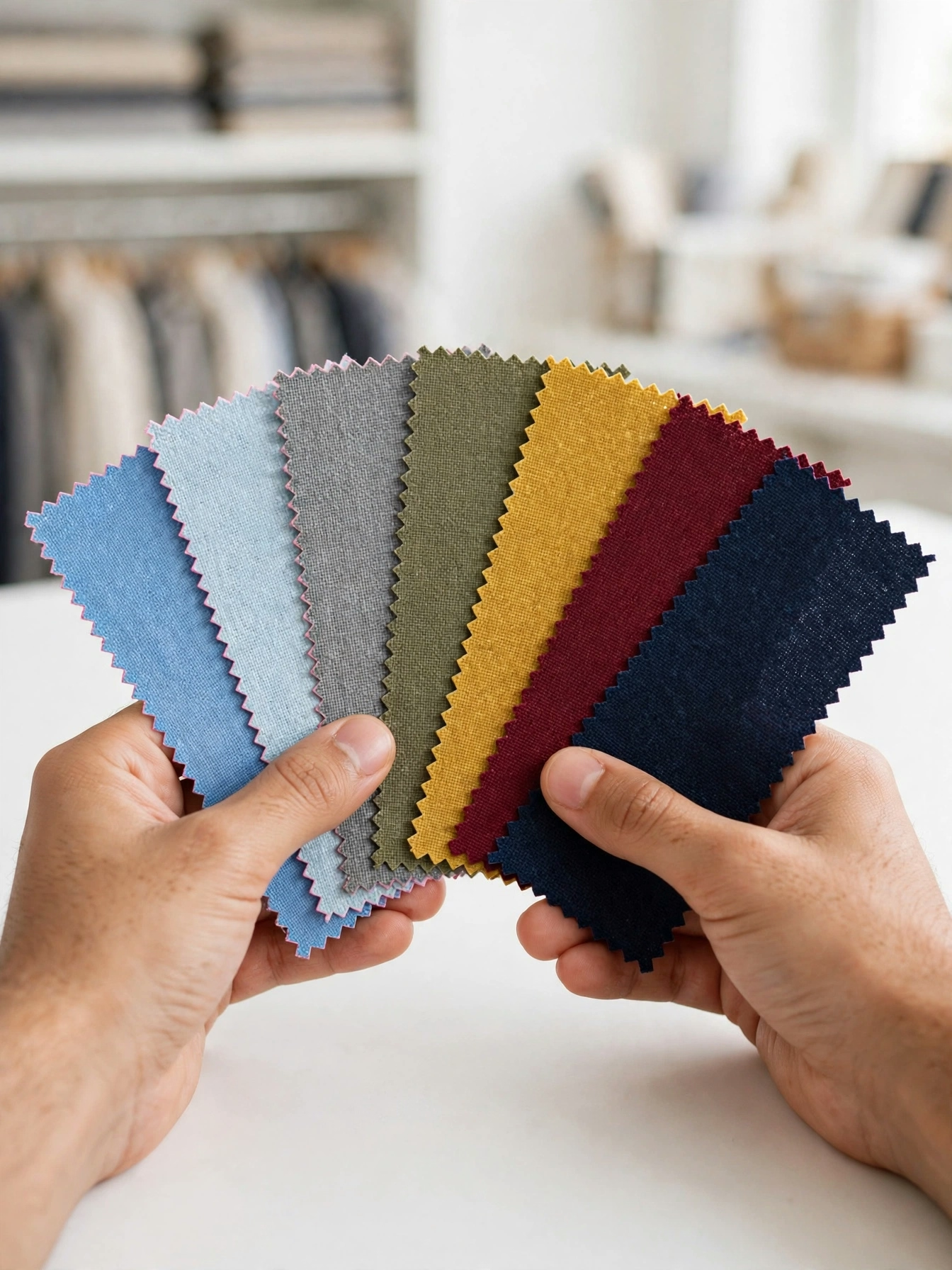
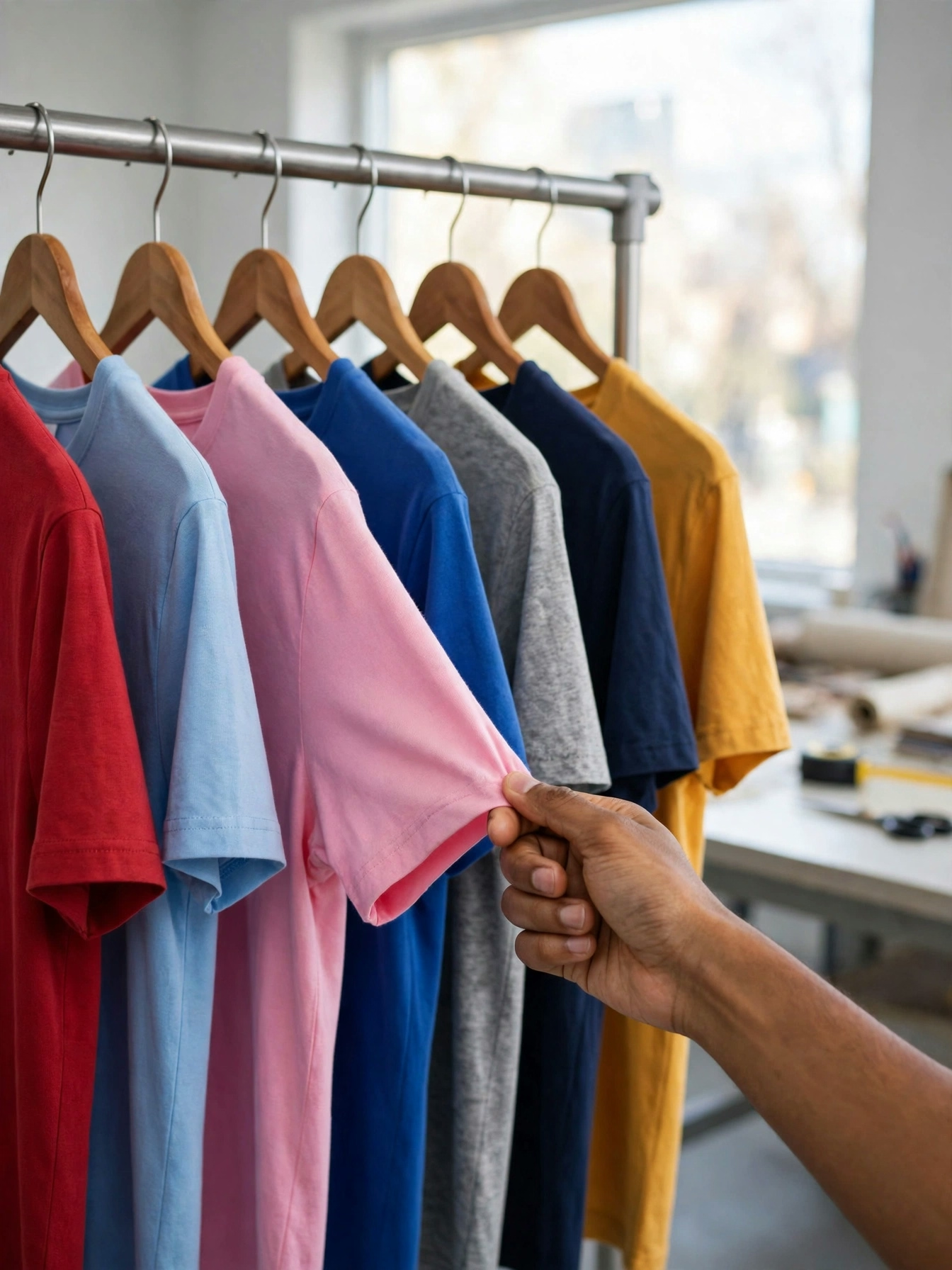
With the specification set, we research the fabric and trims the product needs. Our library and mill network in Bangladesh cover knits and wovens across cotton, polyester, viscose and blended bases, and we present physical swatches with composition, GSM, hand feel and price for each serious option, so you choose from real cloth rather than descriptions.
Trims are researched the same way – zips, drawcords, buttons, elastics, labels and packaging – matched for colour, quality and availability in bulk quantities. Where a certified fabric is required for the European market, such as an OEKO-TEX or recycled standard, we source it with its certification documents from the start.
4. Pattern Making and Grading for Bulk Garment Production
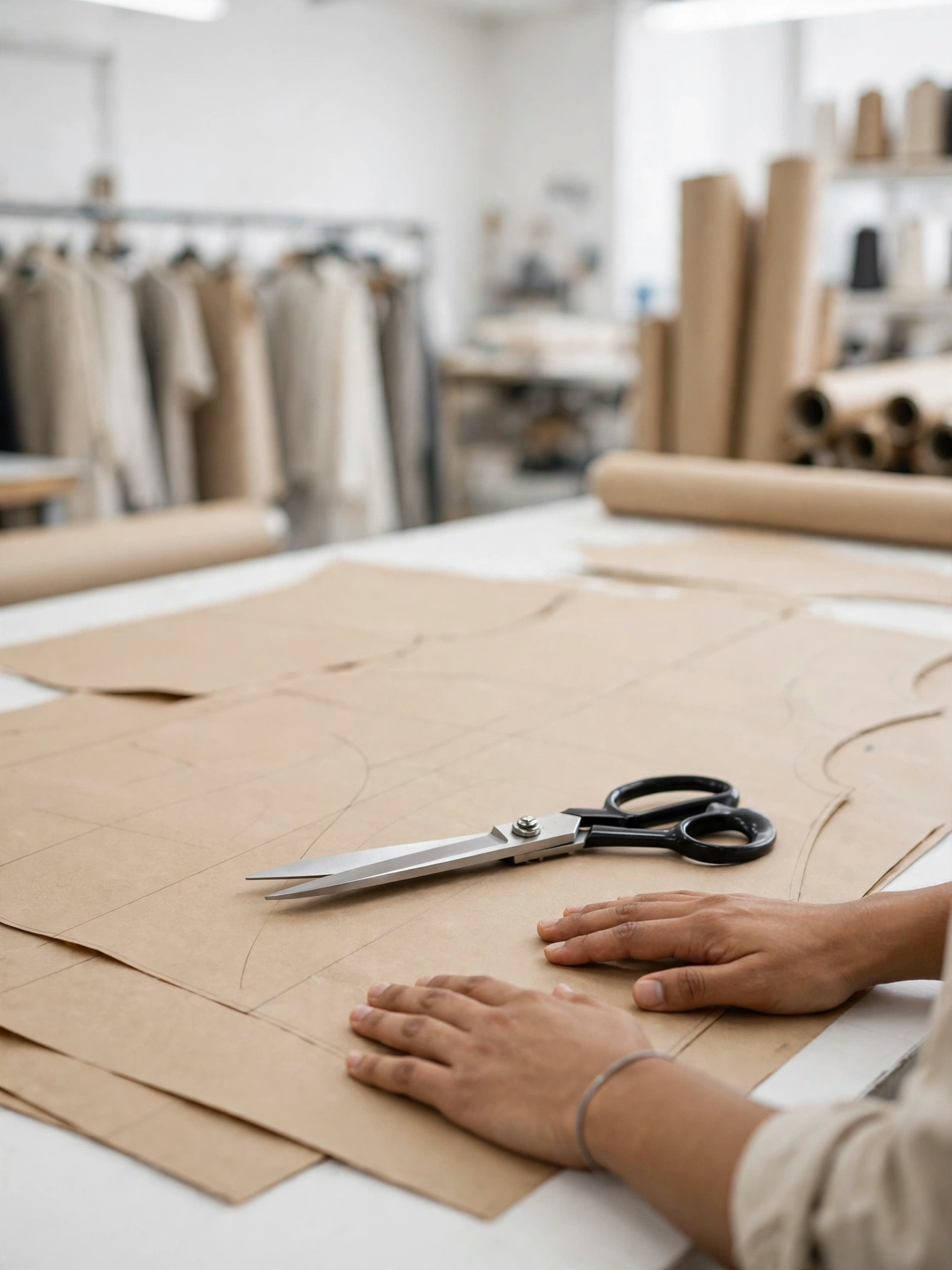
Our pattern masters draft the first pattern from your measurement chart or from a reference garment we measure point by point. Patterns are developed for production from the beginning – with shrinkage allowances for the chosen fabric, seam behaviour considered, and marker efficiency in mind, so the style sews cleanly and costs what it was quoted at.
Once the base size is approved, the pattern is graded across your full size range following your grading rules, for men’s, women’s, unisex and kids’ clothing blocks alike. The graded set is checked against the measurement chart before any sample is cut.
5. Fit Development and Sample Approval for Importers and Retail Buyers
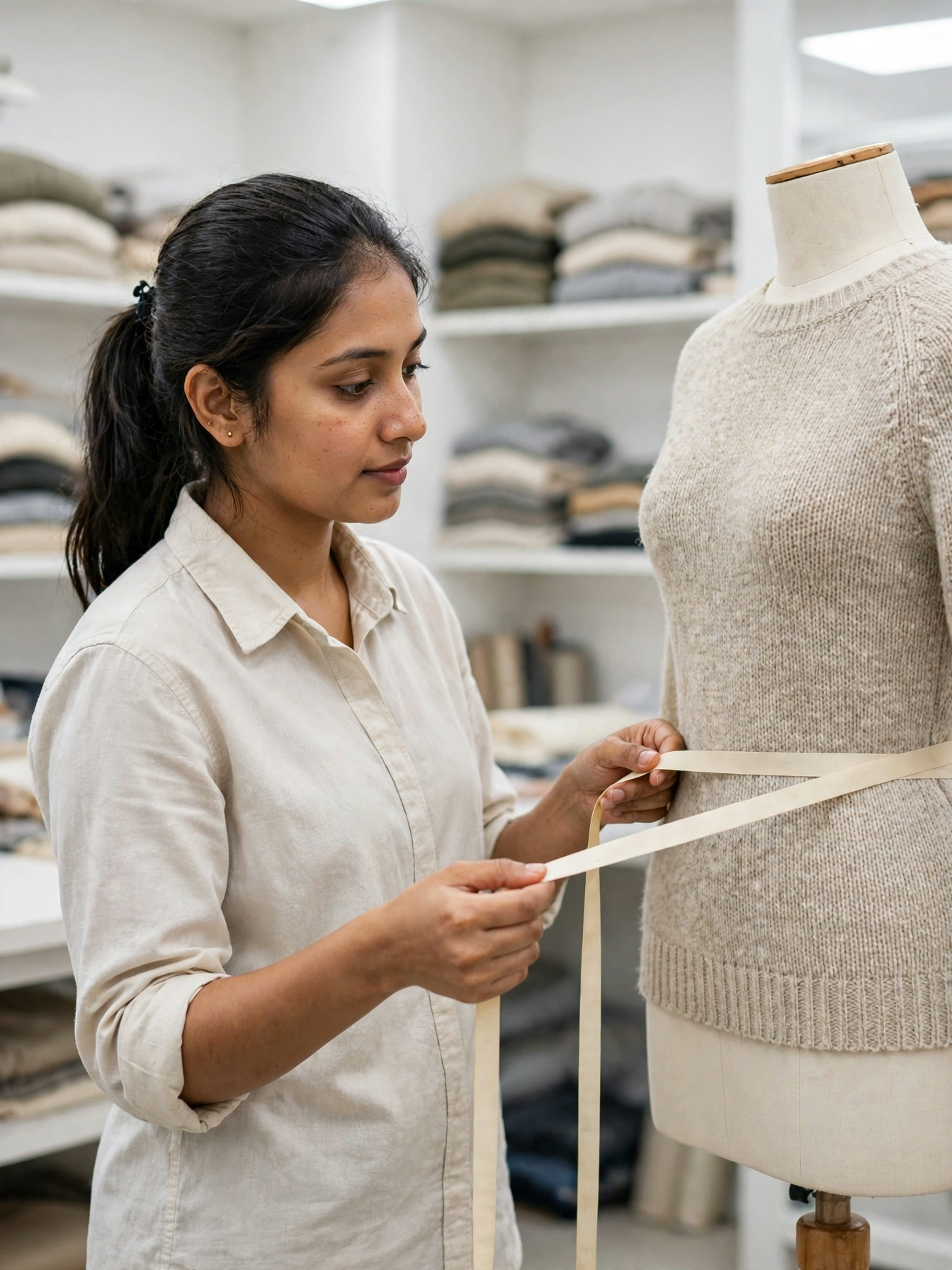
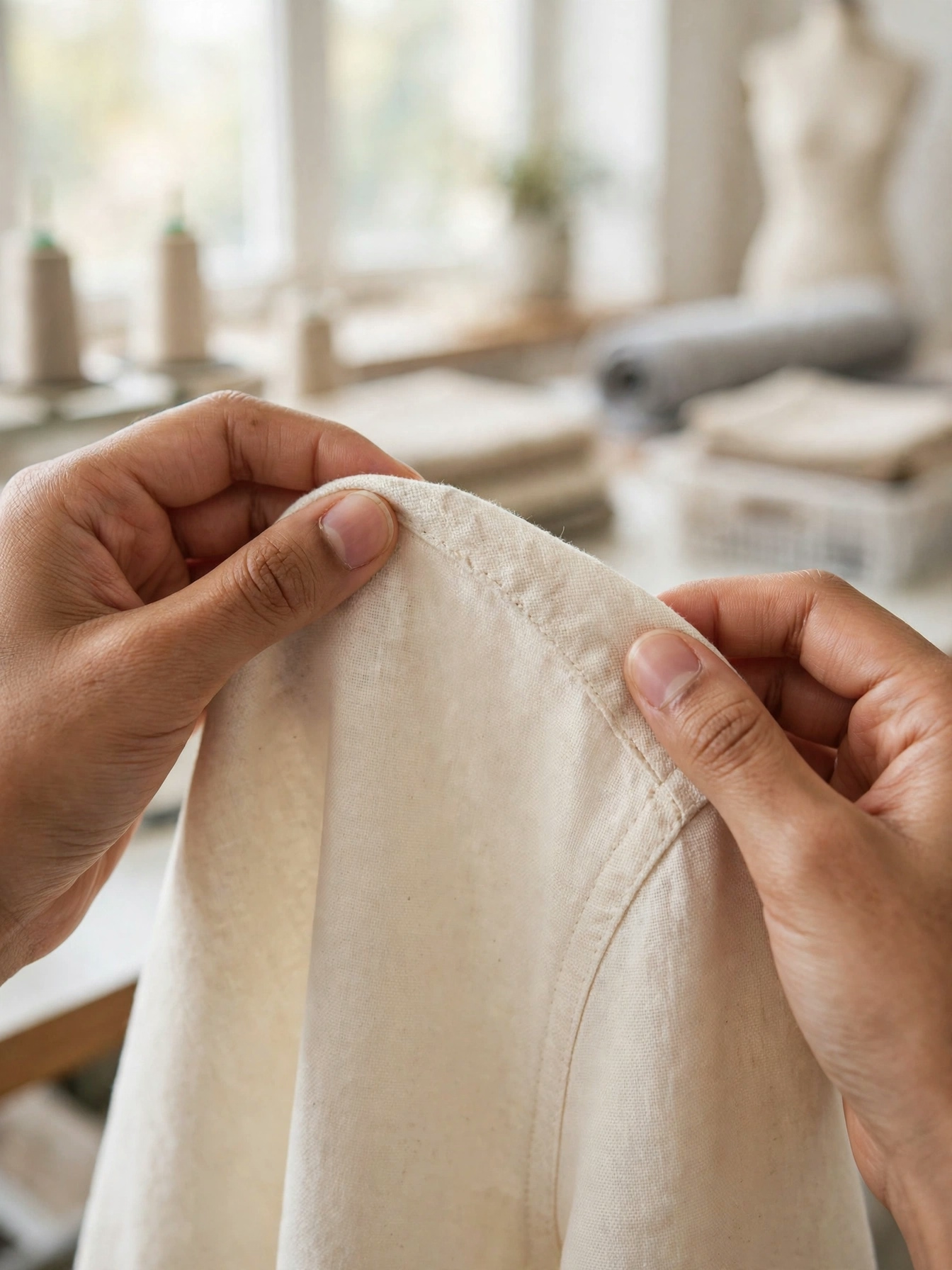
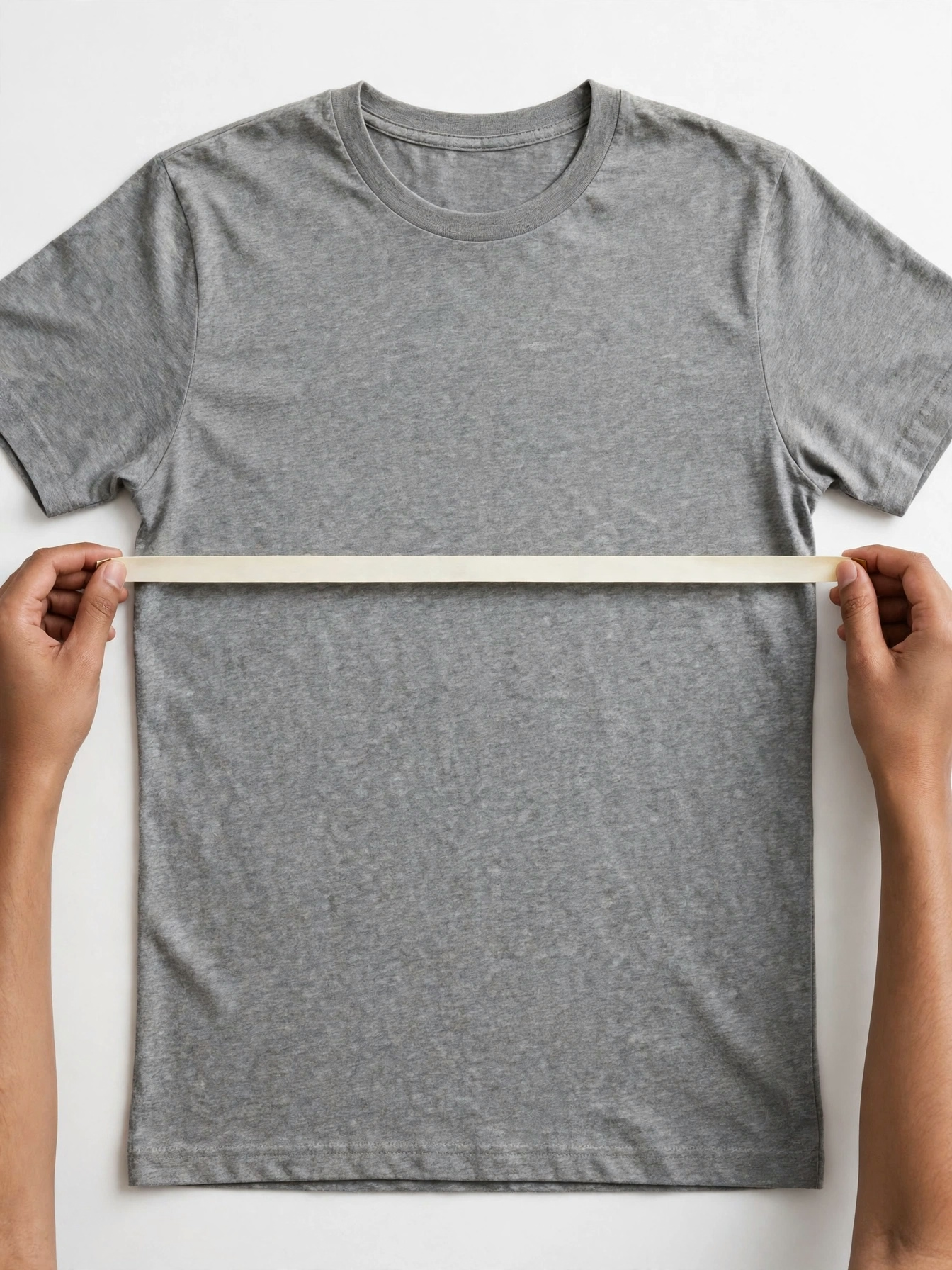
Fit is where research becomes a garment you can judge. We cut development samples in the closest available fabric, measure them against the chart, photograph them on the dress form and report every deviation to you with our technician’s comments, so your fit decisions are made on evidence rather than on a couriered surprise.
Comments are applied round by round until the fit is signed off. Buyers developing several categories at once follow the same review rhythm across our hoodies and sweatshirts programmes, which keeps one clear development standard across the whole range.
6. Costing and Production Feasibility for Your Next Clothing Range
The last development step is an honest feasibility check. We confirm that the fabric can be produced or sourced at bulk scale, that the construction holds at your target price, that the style can be sewn at the required quality on our lines, and that the timeline fits your selling season in the UK, Europe, North America or Australia.
If something in the design threatens cost or quality, you hear it at this stage, with an alternative proposed – a different fabric base, a simpler construction, a trim change – while changing it costs nothing. That honesty is what turns development work into long buying relationships, and it is how we have worked as a clothing manufacturer and supplier from Bangladesh since 1987. When you are ready to develop your next range, we start from your first sketch – the same development route runs under every programme we make, including our casual wear range.
Research and Development Support for Buyers in the USA, UK, Germany and Canada
Development is never one-size-fits-all, because your end markets do not buy the same garment. American buyers often need extended size ranges and CPSIA-compliant trims on children’s styles, British and German retail programmes run on strict seasonal calendars with their own testing standards, and Canadian ranges are built for a harder winter than most of Europe sees.
Our team develops with those differences inside the process – the measurement chart, the fabric standard and the compliance file are built for the market named on your order, whether the finished range sells in New York, London, Hamburg, Toronto or Sydney. One development partner in Bangladesh, one standard of evidence, and a product that arrives ready for the shelf it was designed for.
Sample and Bulk Shipping from Bangladesh to Your Market
Development work moves by air long before bulk moves by sea. Fit samples, swatch cards and approval garments travel from Dhaka by international courier, so your comments come back to us within days and the next round leaves just as fast. When a style is signed off, bulk production ships from Chattogram port on the routes your warehouse already uses – Hamburg and Rotterdam for mainland Europe, Felixstowe for the UK, Los Angeles and New York for the USA, Toronto and Vancouver for Canada.
Because the same team follows the style from development into production, the sample you approved is the reference the bulk is checked against at every stage. Nothing is re-interpreted between the development table and the export carton.
Buyers who develop a full season with us usually run several styles through this route at once – a fleece programme for Germany, a jersey range for the UK, a children’s line for the USA – each with its own sample flow and shipping schedule, all tracked by the one merchandiser who opened the project with you.
Compliance and Certification for European and US Buyers
Market rules are part of development, not an afterthought. For European buyers we develop with OEKO-TEX Standard 100 fabrics, REACH-compliant dyes and trims, and recycled or organic fibre options with their chain-of-custody documents in place before sampling starts. For the USA, children’s styles are developed to CPSIA requirements from the first pattern, including drawcord and trim rules that differ from the European standard.
Where your retail programme needs test reports, we arrange them through accredited laboratories in Dhaka against the approved sample, so the paperwork your compliance team asks for is ready when the goods are – not chased after the vessel sails.
How a Development Project Runs, From First Sketch to Signed Sample
A typical project opens with your sketch, tech pack or reference garment and a short call about the market it is for. Within the first round you receive fabric options with prices, a draft measurement chart and our technician’s notes on construction. Patterns follow, then the first sample for your fit comments.
Most styles settle in two or three fit rounds. At sign-off you hold the approved sample, the final tech pack, the graded pattern set and a costed production plan – everything a bulk order needs, with no open questions left between your buying team and our factory floor. Send the first sketch whenever you are ready; the development starts there.