
Garment Costing and Pricing Services in Bangladesh
A garment price should never be a mystery the buyer has to take on trust. At Siatex Bangladesh, costing is a service in its own right: every quotation we send is built as an open breakdown - fabric, trims, making, finishing and commercial charges shown line by line - so you can see exactly where your money sits in the garment.
Our merchandisers cost from live mill prices and measured fabric consumption, not from last season's file with a percentage added. When fabric prices move, the costing moves with them, and we show you the change rather than burying it in a rounded figure.
We prepare costings for private label brands, importers and retail buying teams in the USA, the UK, Germany, Canada and Australia, and for programmes selling into Denmark, France, the UAE and South Korea. Send a tech pack, a target price or a garment to match - the breakdown starts from whichever you have.


Garment Costing and Pricing Services in Bangladesh for Private Label Brands
Honest costing has a method behind it, and the method is the same whether the style is a basic tee or a decorated fleece programme. The sections below explain how a price is built in our merchandising office, checked, and kept honest from the first quotation to the repeat order.
1. Open Cost Breakdowns for FOB Garment Prices From Bangladesh
Every quotation separates the price into its real parts: fabric cost at the agreed consumption, trims at supplier prices, cut-and-make charges for the construction involved, decoration, finishing and packing, and the commercial costs of exporting from Bangladesh. Nothing is hidden inside a single unexplained number.
That openness changes the conversation. Instead of arguing about a total, we can engineer it together – a different fabric base, a simpler seam, a decoration change – with the effect of each decision visible in the breakdown before samples are even made, which is why costing sits naturally beside our research and development work.
2. Fabric and Trim Costing at Live Bangladesh Mill Prices
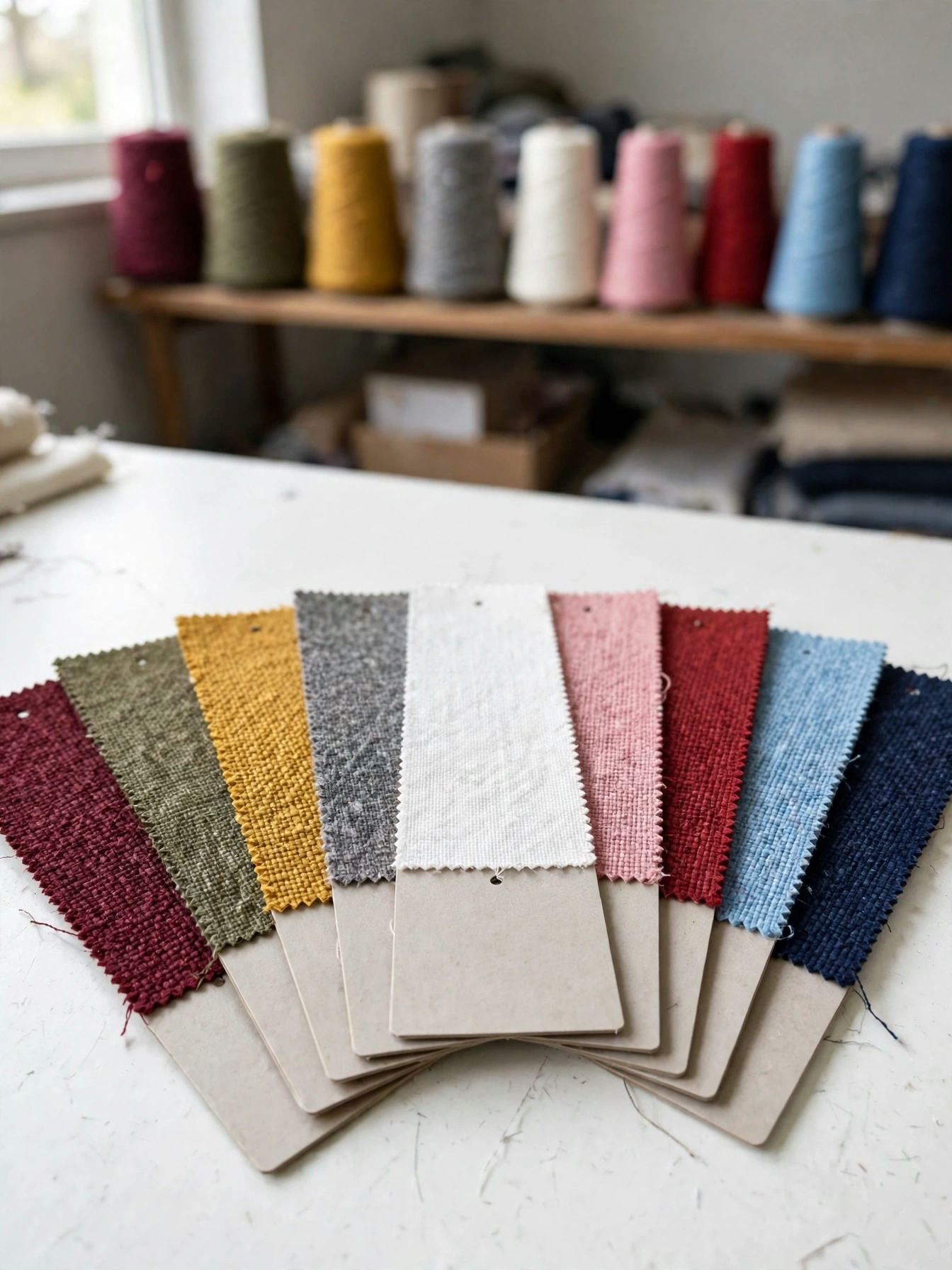
Fabric is the largest part of most garment prices, so it is costed from live sources: the mills and suppliers who will actually produce your order, quoted for your composition, GSM and colour, in the week the costing is made. Trim prices come from the same discipline – the actual zip, button, elastic or label your specification calls for.
Where two fabric routes exist – a local mill and an imported base, for example – both are costed and shown, with the lead-time difference stated beside the price difference, so you choose with the full picture in front of you rather than discovering the trade-off later.
3. Consumption and Marker Efficiency Checks That Protect Your Margin
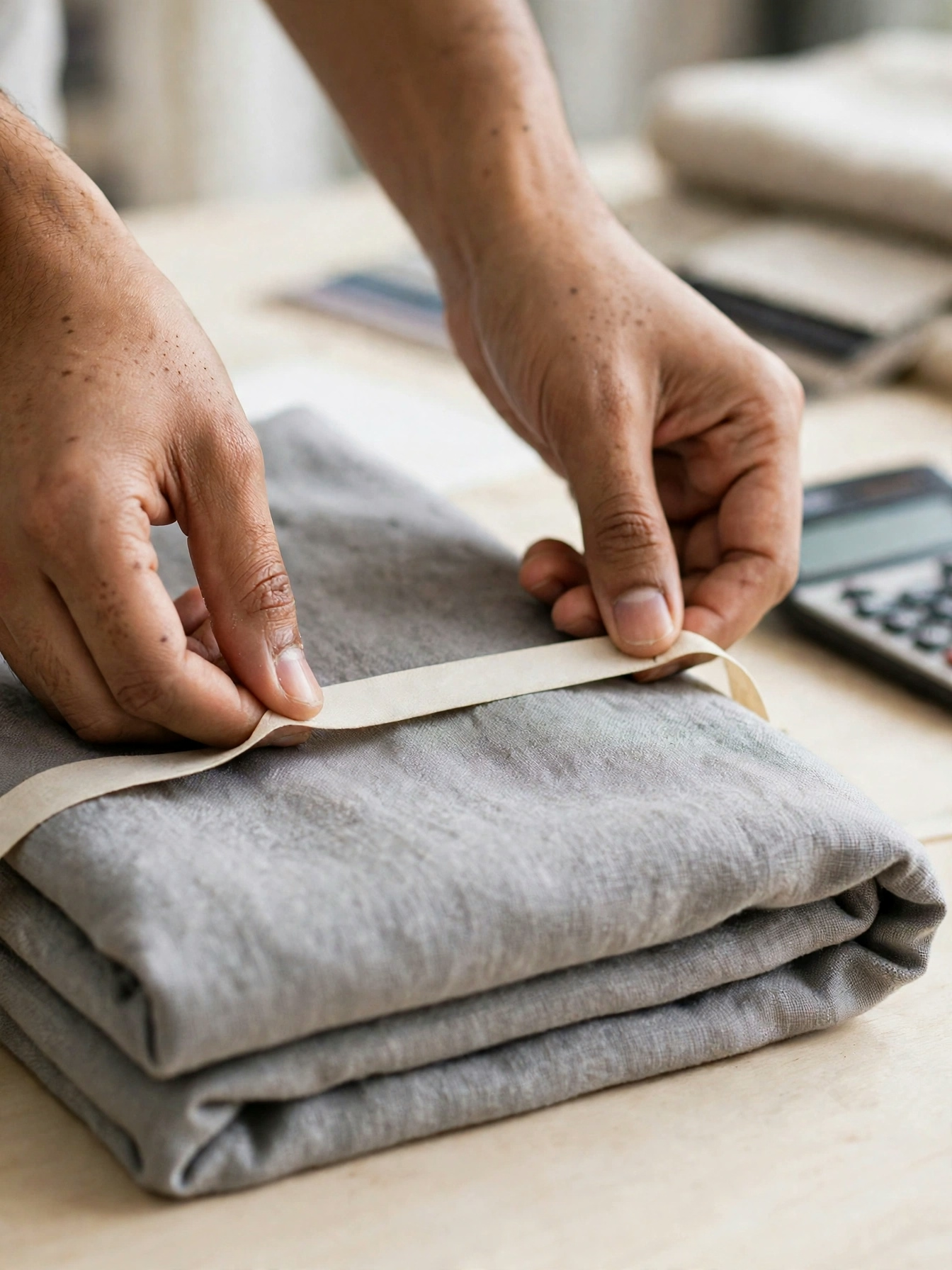
A price built on careless consumption is a price you overpay on every single garment. Our pattern masters calculate consumption from the actual pattern and marker plan for your size ratio, and the figure in the costing is the figure production will be cut to – checked again when the pre-production sample is measured.
This is where costing and sampling meet: the approved sample from our sample development room carries its measured consumption with it, so the bulk price you agree is the price the cutting room can honour, not an estimate that quietly grows.
4. Target Price Engineering for Private Label Clothing Ranges
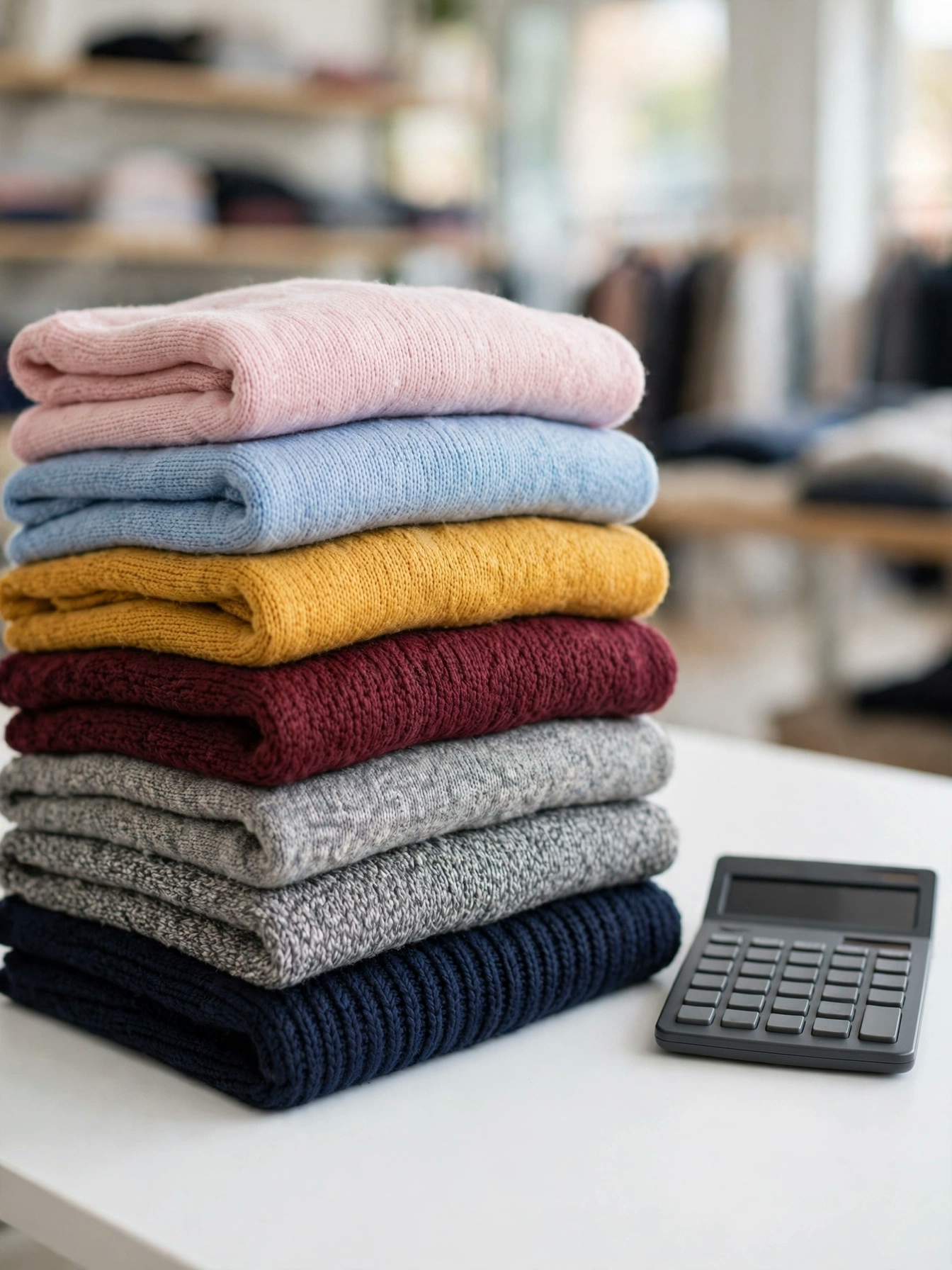
Many buyers arrive with the retail price already fixed and a target FOB the range must hit. Working backwards from a target is normal merchandising for us: we cost the style as specified, then show the honest options for closing any gap – fabric alternatives, construction simplifications, decoration changes – each with its effect on look and quality stated plainly.
What we will not do is hit a target by silently thinning the fabric or dropping a process. If a target cannot be met without hurting the product, the breakdown shows why, and the decision stays yours with the evidence in front of you. Basic programmes like our crew neck t-shirts are engineered this way every season.
5. Seasonal and Repeat Order Pricing for Clothing Importers
A price agreed for one season should behave predictably in the next. Repeat orders are re-costed against the original breakdown: what changed, what held, and why. Fabric movements are shown against the mill quotations of both seasons, so a rise or a fall in your price always has a visible reason.
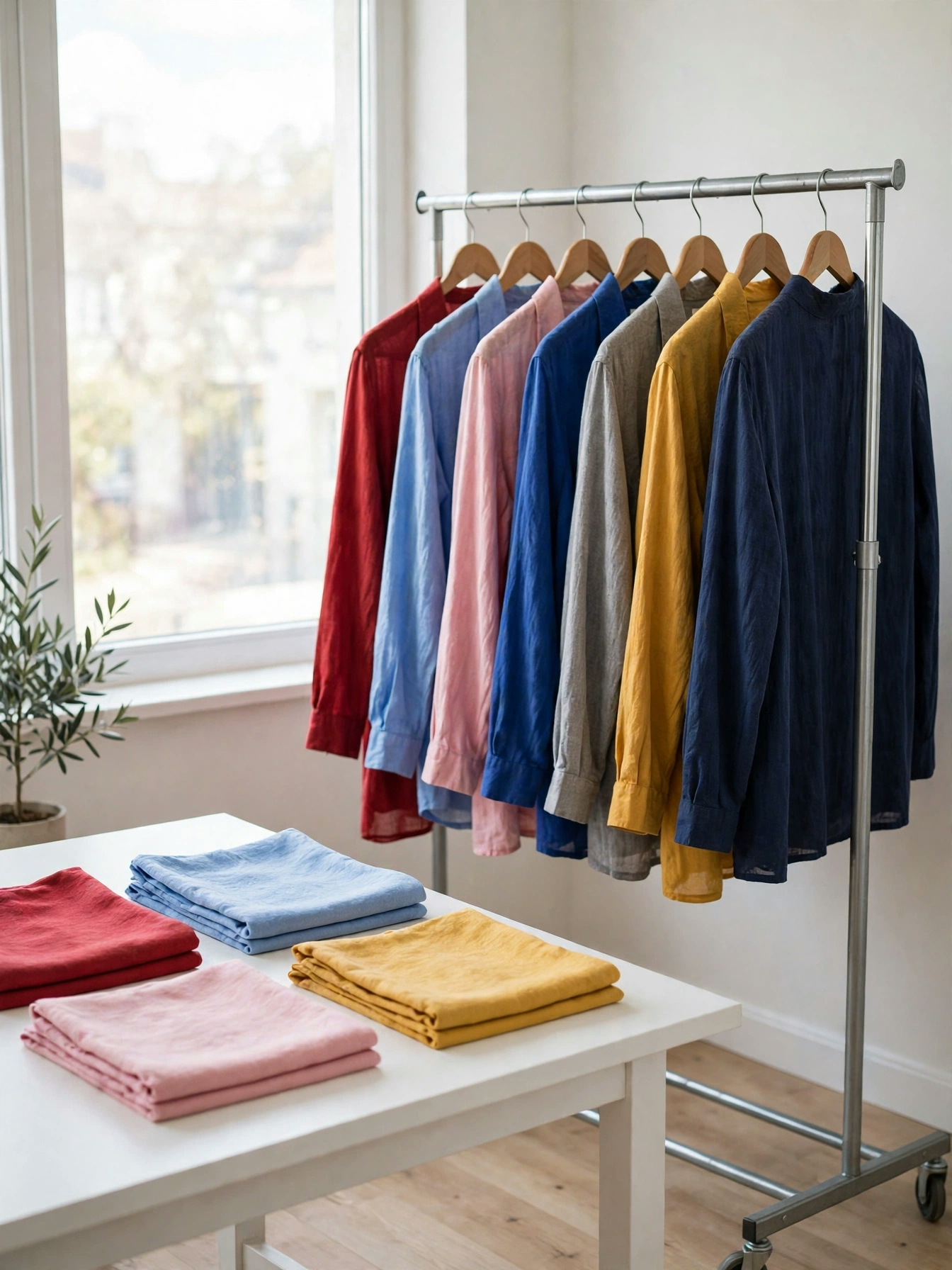
Programmes that repeat across categories – a buyer’s polo shirts running beside a jersey range, for instance – are costed as one family, so shared fabrics and trims are priced consistently across the whole order rather than drifting style by style.
6. Quotations With Clear Validity for Confident Bulk Buying
Every costing states how long it stands. Fabric-linked prices carry a validity window tied to the mill quotation behind them, and if you confirm inside the window, the price is the price – the bulk order is produced against the breakdown you approved.
That certainty matters most at the sharp end of a season, when a buying team is placing several programmes at once. A Siatex quotation is a document your finance team can file: dated, itemised and matched to the approved sample, for first orders and for the women’s and mixed ranges on our women’s clothing programmes alike.
Costing Support for Clothing Buyers in the USA, UK, Germany and Canada
Buyers in different markets read a price differently. German and Danish retail programmes often need the costing to support their own compliance and testing budgets; United States importers watch the duty and freight lines beside the FOB figure; UK and Canadian buying teams plan against fixed seasonal price architecture that leaves no room for surprises after confirmation.
Our breakdowns are built to travel across those desks unchanged – the same lines your merchandiser discussed are the lines your finance team files, whether the programme ships to Hamburg, Felixstowe, Los Angeles or Toronto. One costing standard from Bangladesh, explained the same way every time, is what turns a quotation into a buying decision you can defend inside your own company.
What an FOB Price From Bangladesh Includes, Line by Line
FOB – free on board at Chattogram – is the basis most of our buyers work on, and the breakdown names every line inside it: fabric at measured consumption, trims, cutting and making, decoration, finishing, pressing and packing to your carton specification, labels and hangtags, inland transport to port, export documentation and customs clearance on the Bangladesh side.
What FOB does not include is stated just as clearly: ocean freight, insurance and duty in your market sit outside it. Where a buyer prefers a landed comparison, we lay the FOB breakdown beside the freight lines their forwarder quotes, so both figures can be read together without anything being double-counted or quietly dropped.
Freight and Landed Cost Notes for Your Main Ports
Most of our buyers clear goods through a small set of ports – Hamburg for Germany and Denmark, Felixstowe for the UK, Los Angeles and New York for the USA, Montreal and Toronto for Canada, and Jebel Ali for the UAE. We cannot quote your freight for you, but we pack and document so that nothing on the Bangladesh side adds cost at the other end: carton dimensions and weights are confirmed before shipment, and pallet and carton markings follow your warehouse instructions.
Accurate carton data sounds like a detail until a landed cost is calculated from it. Volume, weight and carton count decide what your forwarder charges, so the figures in our packing list are measured, not estimated – another place where careful costing protects the margin you planned at the buying desk.
How Re Costing Works When Fabric Prices Move
Cotton and yarn prices move, and a costing service earns its keep when they do. If fabric costs rise between seasons, your re-costing shows the mill evidence: the previous quotation, the new quotation, and the exact effect on your garment price at the agreed consumption. If prices fall, the same evidence runs in your favour – the reduction is shown and passed on in the breakdown.
Where a movement is large, we cost alternatives beside it: a yarn-count adjustment, a mill change, a blend shift – each sampled if you want it, so the decision to hold the fabric or move to an alternative is made on garments and numbers together, not on a salesman’s reassurance.