
Garment Procurement Services in Bangladesh
A confirmed order is only as safe as the materials behind it. Procurement at Siatex Bangladesh is the service that turns an approved sample and an agreed costing into physical fabric, trims and accessories - bought at the costed price, in the approved quality, and in the factory before the production calendar needs them.
Our procurement team buys against documents, not memory: the approved sample, the signed costing sheet and your specification travel with every purchase order, so the fabric that reaches the cutting table is the fabric you approved, at the consumption the price was built on.
We run procurement for private label brands, importers and retail programmes in the USA, the UK, Germany, Canada and Australia, and for buyers selling into the Netherlands, Spain, Sweden and South Korea. Whether your order needs local mill fabric, an imported base or a specialist trim, one team owns the buying from quotation to delivery.

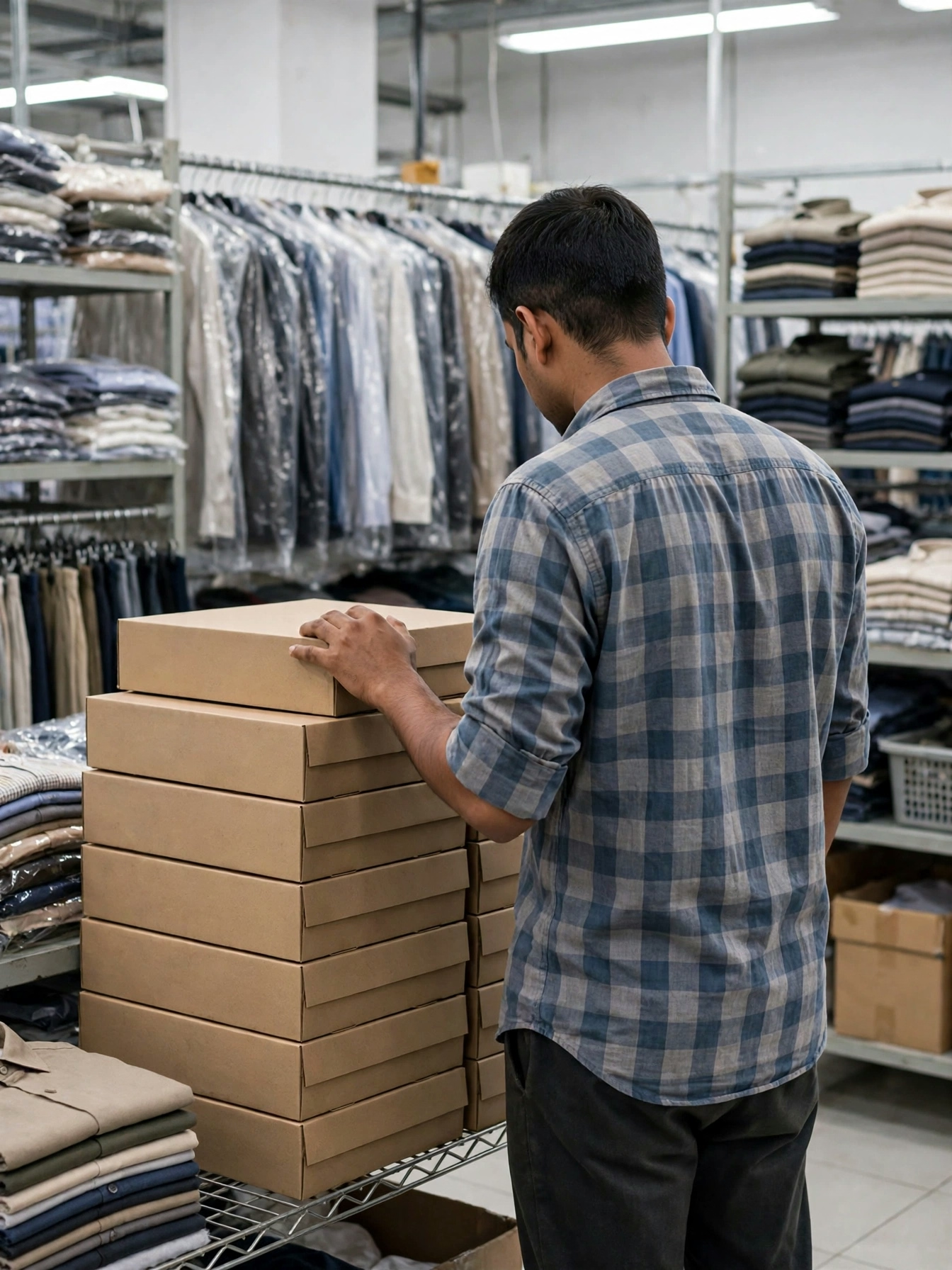
Garment Procurement Services in Bangladesh for Private Label Brands
Good buying is quiet work: prices held, dates kept, quality checked before anyone is in a hurry. The sections below explain how our procurement desk plans an order’s materials, sources them, negotiates them and inspects them on arrival – the discipline that keeps a bulk programme on the price and the calendar you confirmed.
1. Procurement Planning From the Approved Sample and Agreed Costing
Buying starts the day the order is confirmed. Every material on the costing sheet becomes a purchase line with its own supplier, price and latest safe order date, worked backwards from the cutting plan – fabric first, then the trims production will sew with, then the packing materials the finishing floor needs last.
That plan is why our costing and pricing figures hold in practice: the prices in the breakdown are the prices procurement is instructed to buy at, and any movement is reported against the sheet before a purchase order is placed, never discovered after the goods arrive.
2. Fabric Procurement From Bangladesh Mills and Imported Bases
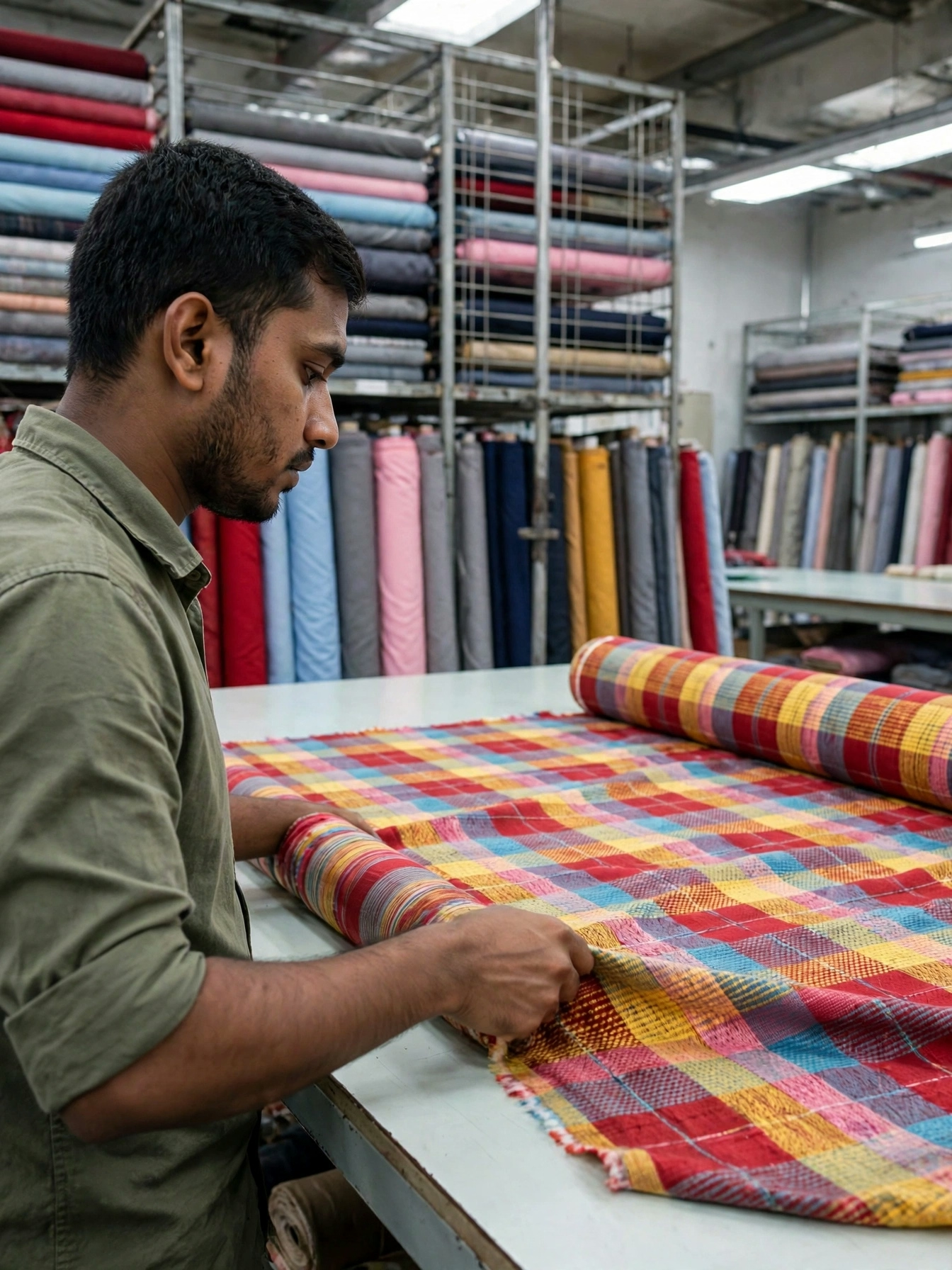
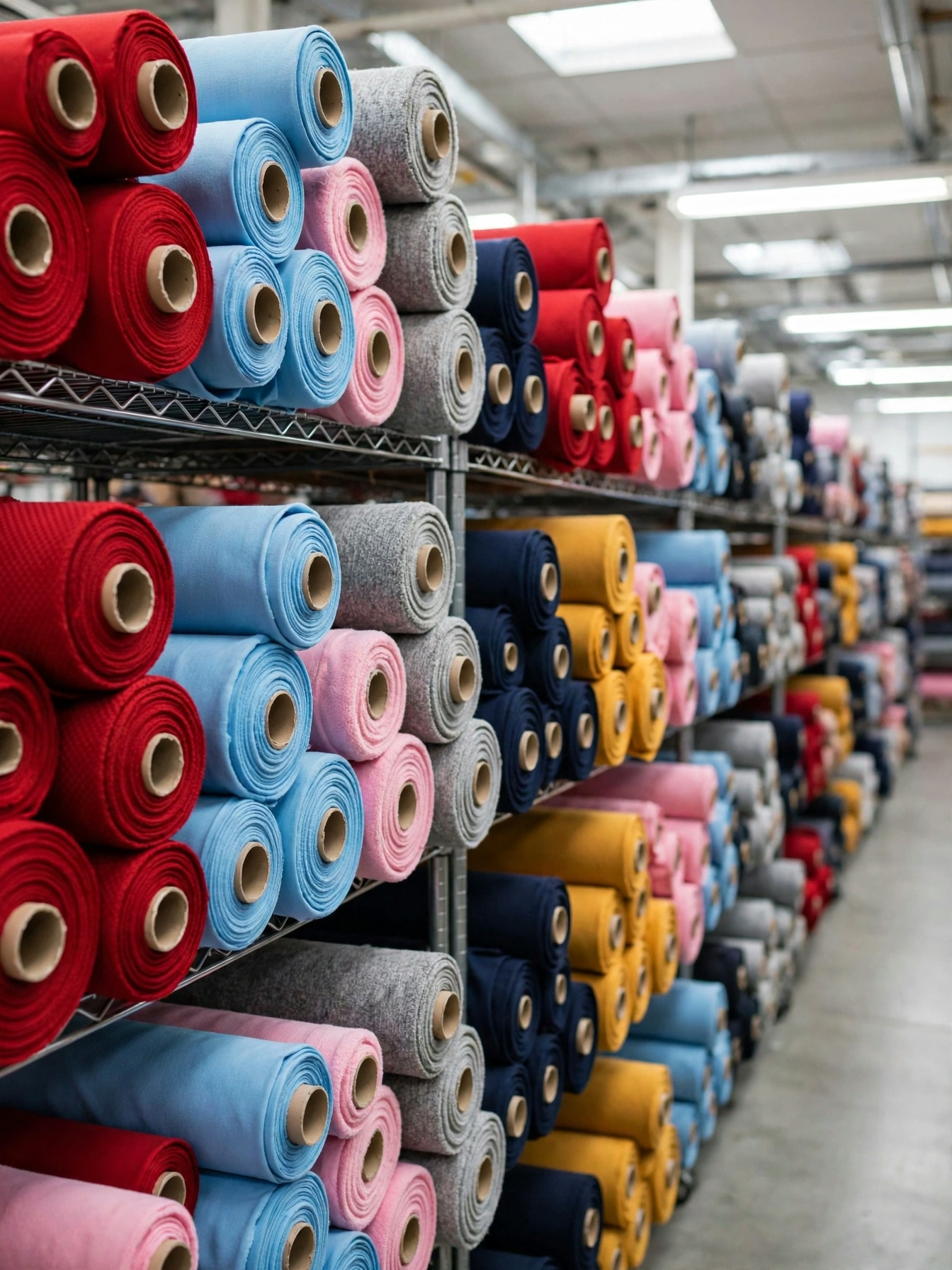
Most programmes run on fabric woven or knitted in Bangladesh – the Dhaka, Narayanganj and Gazipur mill belt supplies the jersey, fleece, twill and poplin bases our buyers use season after season, at the GSM and composition the sample was approved in. Established mill relationships mean your order joins a production slot, not a queue of strangers.
Where a style needs an imported base – a specialist synthetic, a particular denim wash base, a performance fabric – procurement manages the full route: overseas mill quotation, shipment to Chattogram, customs clearance and delivery into our store, with the longer lead time planned into the calendar from the start.
3. Trim and Accessory Sourcing Against Your Specification
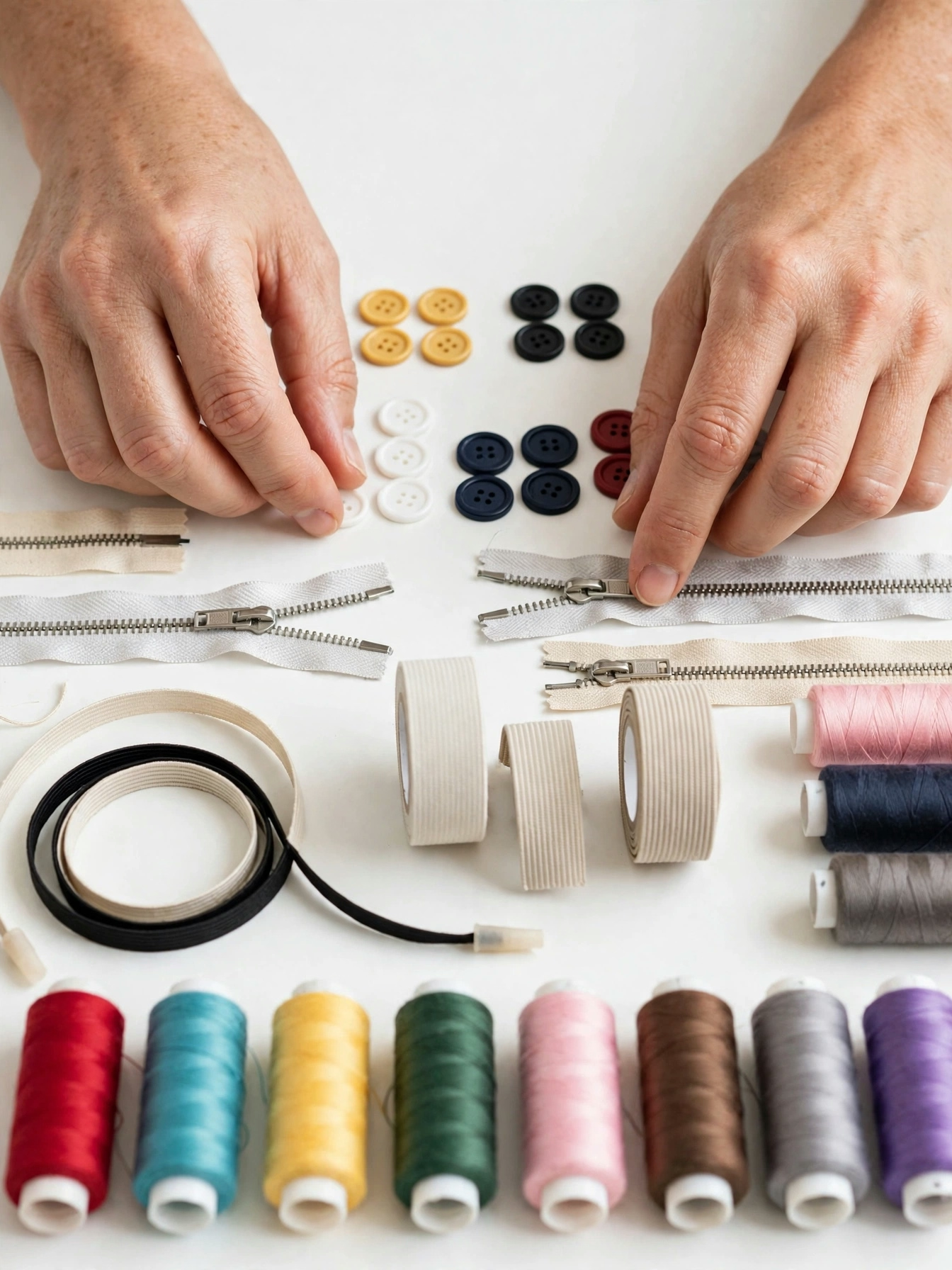
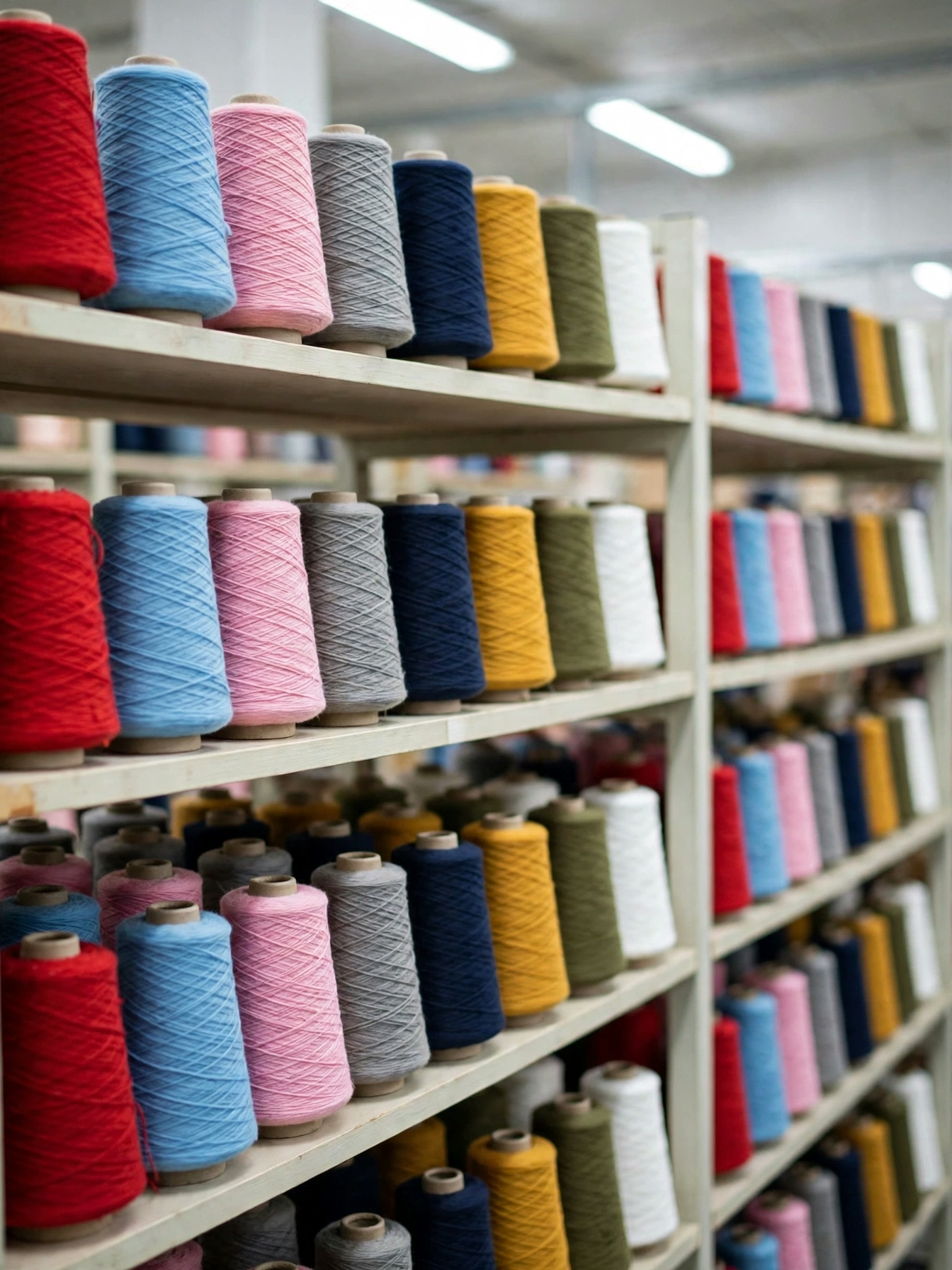
Trims are where small mistakes become visible faults: a zip shade half a tone off, a button that cracks in the wash, elastic that loses its recovery. Our buyers source every trim against the physical standard in the approved sample – thread, zips, buttons, drawcords, elastic, interlining, labels and hangtags – and new lots are matched against that standard before they are accepted.
For decorated programmes the same discipline covers embroidery threads, print pastes and appliqué materials, so the branding on a hoodie order matches the branding approved at sampling, colour for colour and stitch for stitch.
4. Supplier Negotiation That Protects the Agreed Garment Price
Procurement is where the price you agreed is defended. Our buyers negotiate as repeat customers of the same mills and trim houses, ordering across many programmes at once – a standing that secures costed prices and priority slots a one-off buyer cannot ask for.
When a supplier’s price moves after confirmation, the order is not quietly re-sourced at a lower quality to absorb it. The movement is reported to you with the evidence and the options, exactly as the costing promised – the habit that keeps repeat programmes on our polo shirts and jersey ranges stable season after season.
5. Buying Timelines Matched to the Garment Production Calendar
Materials bought late cost more than money – they cost the shipment date. Every purchase line carries the date it must be in our store, set from the production plan: fabric inspected and rested before cutting, trims at the lines before the first bundle is sewn, cartons and polybags at the finishing floor before packing begins.
The merchandiser follows that calendar daily, and buyers see it in their updates – what has arrived, what is in transit, what is still to order – so a tank top programme and a winter fleece programme get the same early warning if any line begins to drift. A date in the calendar is a commitment we manage actively, not a hope recorded once and forgotten about.
6. Incoming Material Inspection Before Anything Reaches Cutting
Nothing goes from the delivery gate to the cutting table unchecked. Fabric is inspected for shade variation, GSM, width and visible faults, and a shrinkage test is run before the marker is finalised; trims are counted and matched against the approved standard piece by piece where it matters.
Material that fails is replaced by the supplier before production depends on it – the cheapest moment to catch a fault is while it is still the supplier’s problem, and the inspection record stays with the order file the sample development team started, so any question later has a paper trail to answer it.
Procurement Support for Clothing Buyers in the USA, UK, Canada and Australia
Distance is the buyer’s real problem in procurement: you cannot walk our store or a mill’s warehouse from an office in New York, London, Toronto or Sydney. Our answer is evidence instead of reassurance – shade bands and fabric test results photographed and sent, inspection summaries with the order updates, and approval requested from you before any substitute material is bought.
That discipline matters most in the markets with the least patience for surprises. North American programmes run against fixed ship windows, Australian buyers plan around long sea transits, and UK retail calendars punish a late fabric more than an honest early warning – so the procurement desk reports early, in writing, with the documents attached.
How Imported Fabric Reaches Our Dhaka Factory From Chattogram Port
Not every base is made in Bangladesh. When a programme calls for an imported fabric, procurement plans the route as carefully as the price: the overseas mill ships to Chattogram, our clearing agents handle customs and port paperwork, and the rolls travel the highway to our Dhaka store, where the same incoming inspection waits for them as for any local delivery.
The lead time for that route is quoted honestly at costing stage, port congestion included, and the buying date for imported bases sits weeks earlier in the calendar than for local mill fabric – so a style approved late can still be steered to a local alternative before the shipment date is put at risk.
Material Standards and Testing European and US Buyers Ask For
Procurement is where compliance physically enters the garment. Fabrics and trims for European programmes are bought against OEKO-TEX Standard 100 and REACH requirements, with the mill’s certificates collected into the order file; children’s styles for the USA are sourced with CPSIA limits on lead and phthalates in mind, and trims like cords and buttons are checked against the buyer’s own restricted substances list where one is supplied.
Shade continuity is tested the same way: lab dips approved before bulk dyeing, bulk lots checked against the approved dip under standard light, and any lot outside tolerance held back – because a container of garments in two shades is a procurement failure, not a production excuse. The certificates, test reports and dip approvals are filed against the order number, ready to send to your compliance team or your test house whenever they ask.
Buffer Stock and Shortfall Cover on Running Programmes
Fabric faults, a short roll, a trim lot rejected at inspection – buying plans that assume perfection fail in the real world. On running programmes our store keeps a working buffer of the order’s own fabric and key trims, sized to the programme, so a rejected lot is replaced from stock while the supplier makes good the shortfall.
The buffer is accounted like everything else on the order: what was used, why, and what it means for the final quantity is reported in the order updates – one more reason buyers in Hamburg, Rotterdam, New York and Vancouver hear about problems from us first, with the cover already in place.