
Garment QA and QC Services in Bangladesh
Quality is not a department at the end of our factory - it is a chain of checks that starts with your first sample and ends with a signed inspection report. QA and QC at Siatex Bangladesh means the garments in your cartons are measured, examined and tested against your own standard, with the evidence sent to you before the goods leave Dhaka.
QA - quality assurance - is the system: the standards, checkpoints and responsibilities agreed before production starts. QC - quality control - is the checking itself: inline, midline and final inspections carried out by people whose only job is the condition of your order.
We run this system for private label brands, importers and retail programmes in the USA, the UK, Germany, Canada and Australia, and for buyers selling into France, the Netherlands, Denmark and South Korea. Whatever your market's testing and safety rules, the inspection file on your order is built to be read and audited by your own quality team.
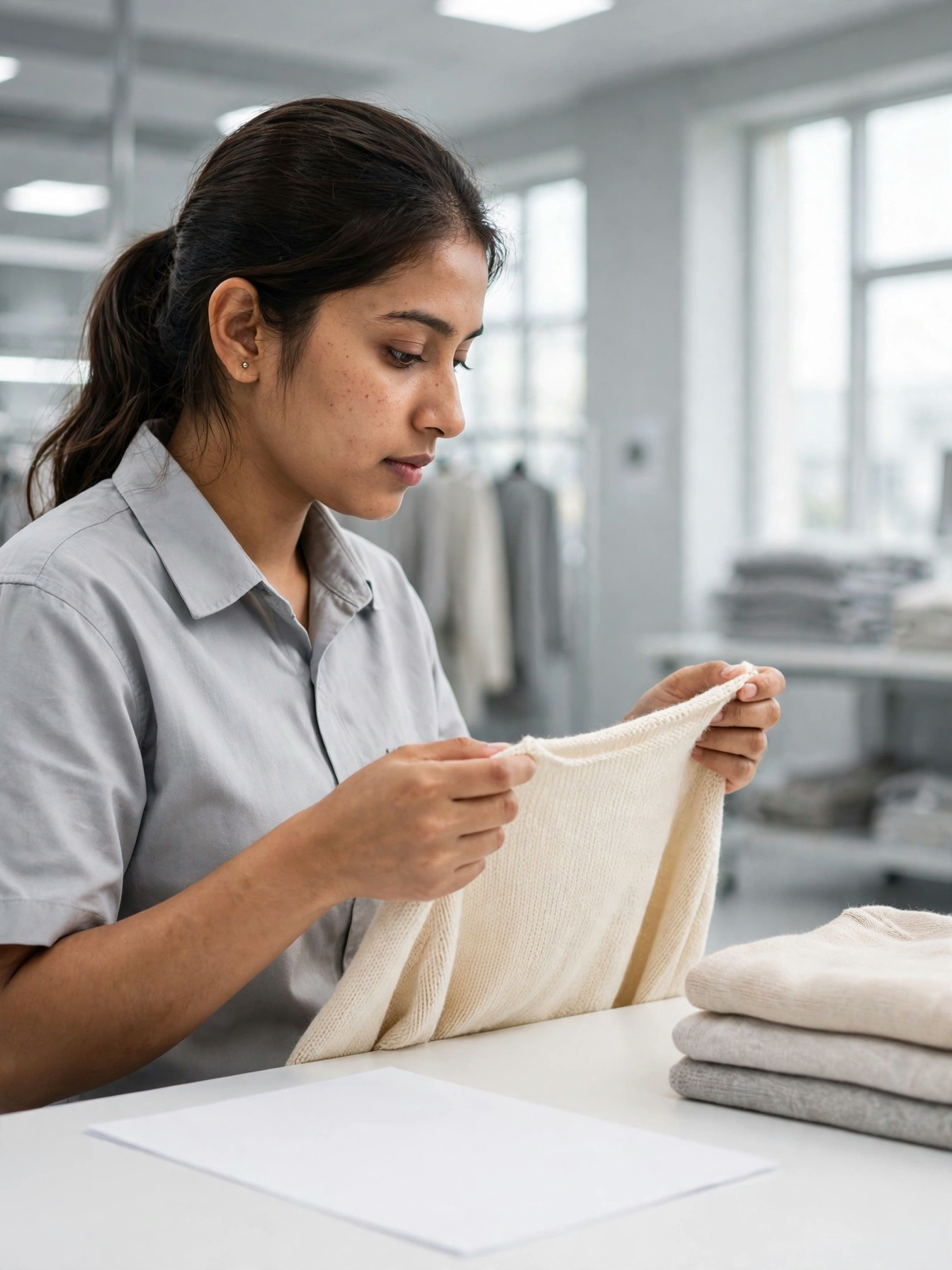
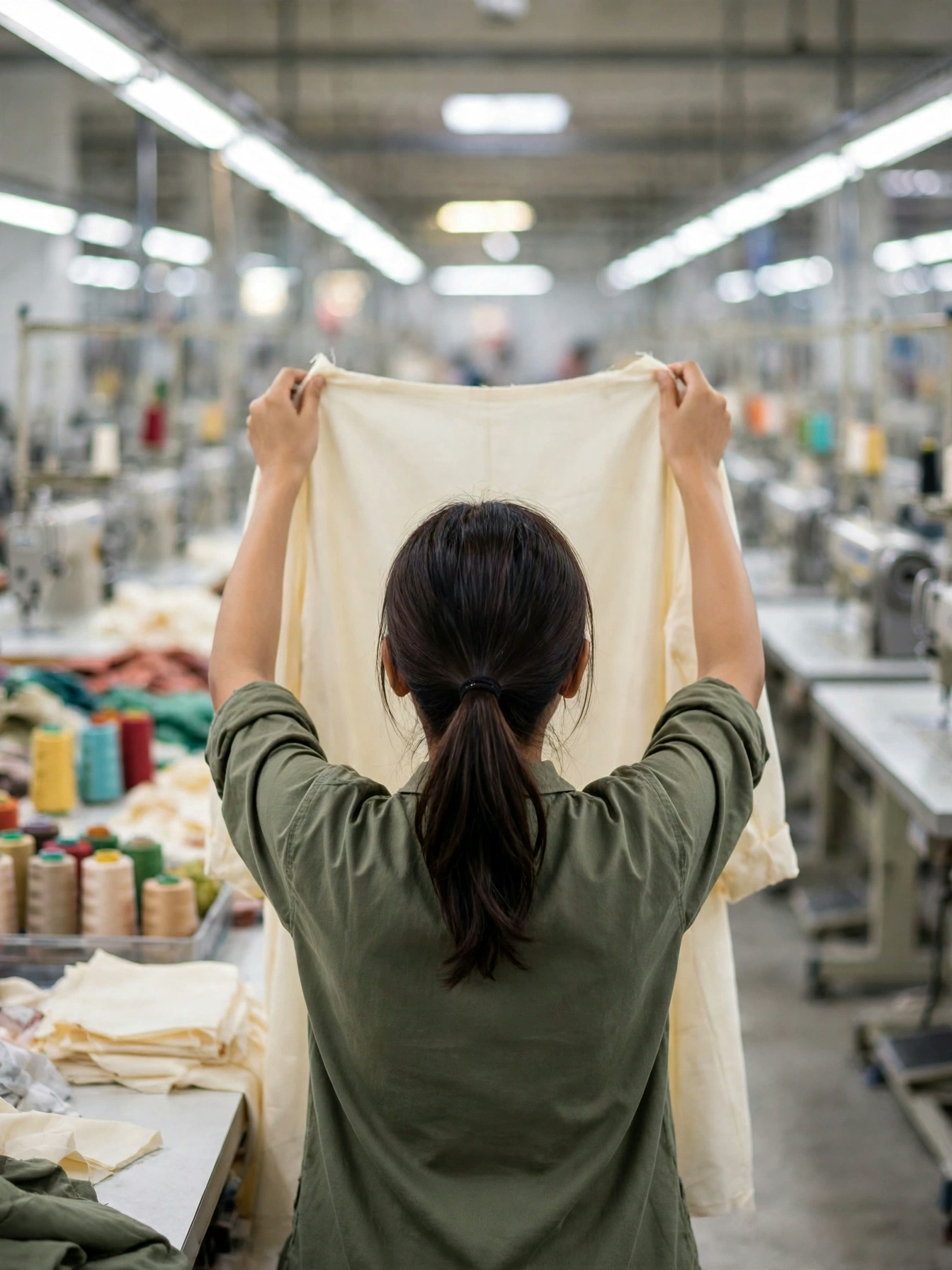
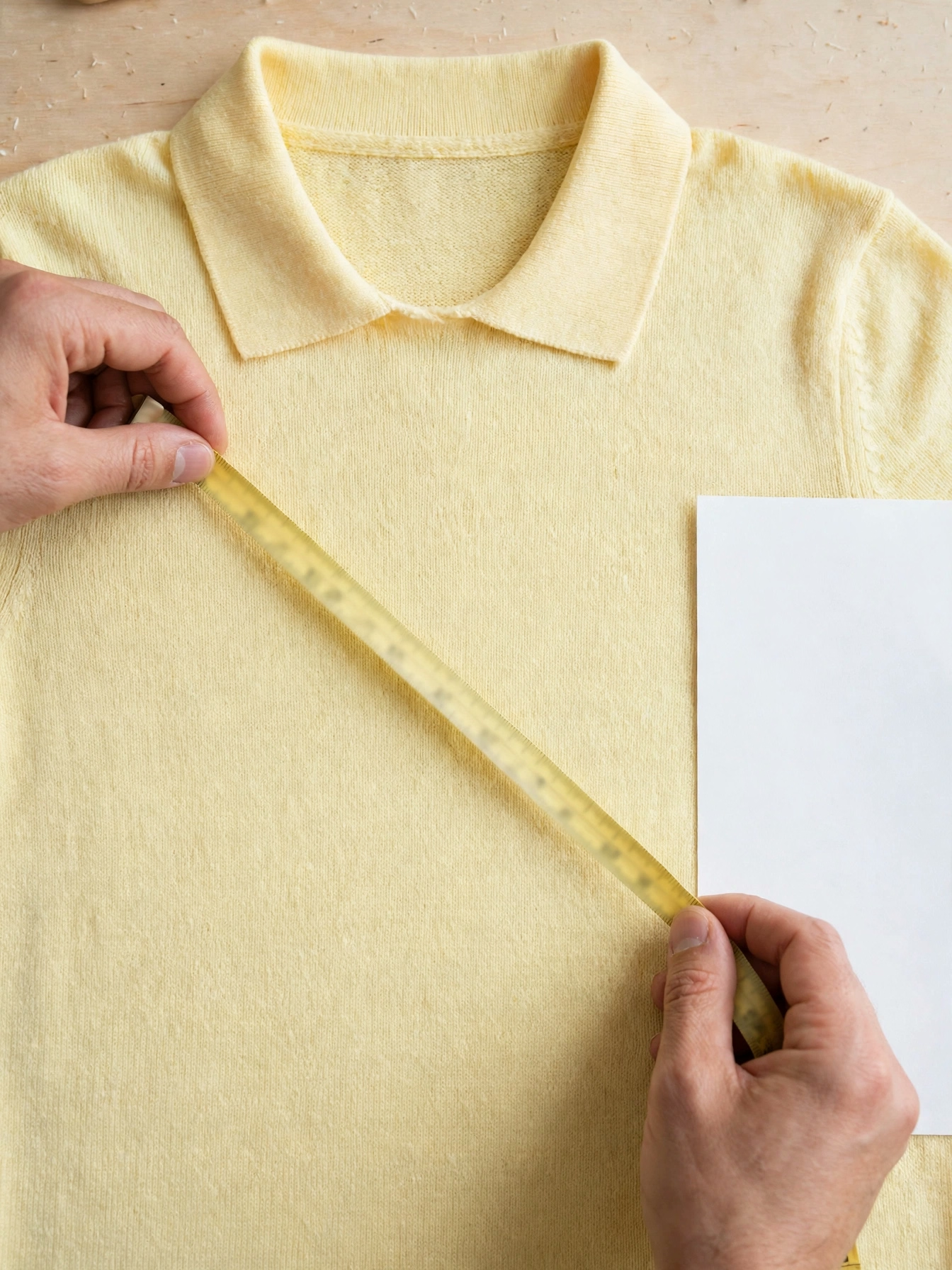
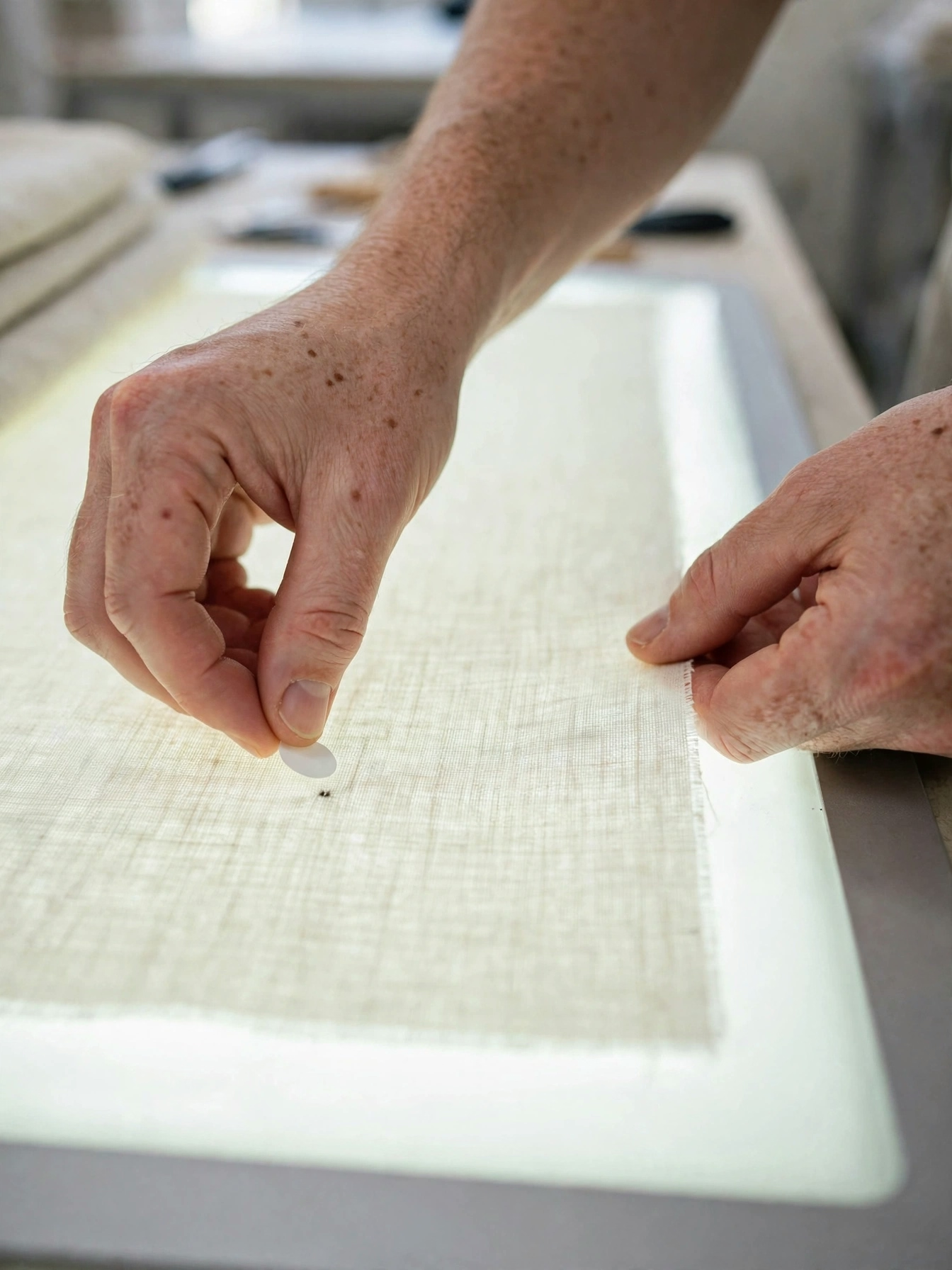
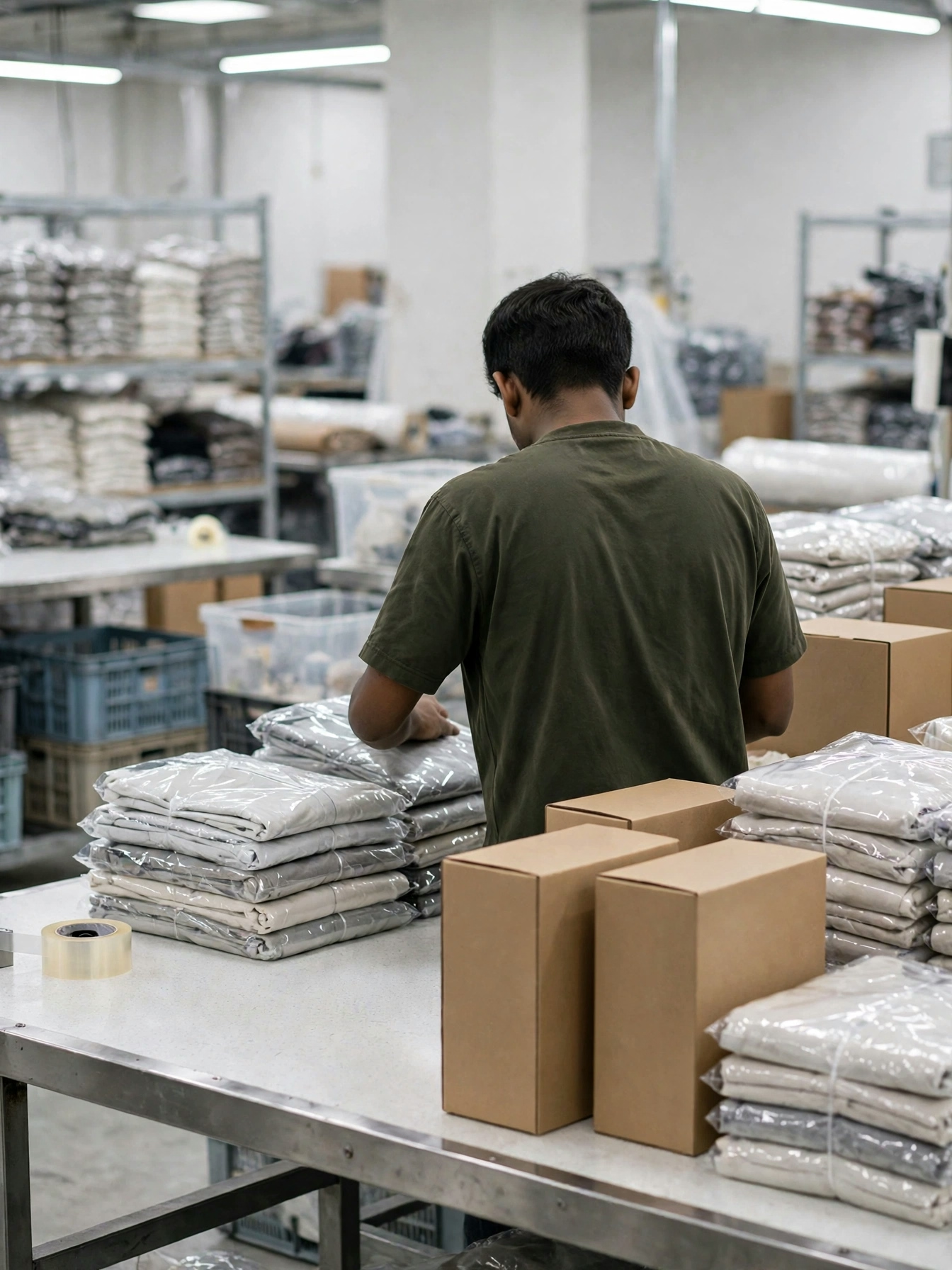
Garment QA and QC Services in Bangladesh for Private Label Brands
Most quality failures are decided long before the final inspection – in an unclear standard, an unchecked first output, a measurement nobody owned. The sections below explain how we prevent them: standards set at sampling, checks while sewing is live, testing in the lab, and reporting that shows you exactly what was found and what was done about it.
1. Quality Standards Set at the Sample Stage, Not the Shipment Stage
Your approved sample is the contract everything is checked against, so we lock the standard while it can still shape the order: the measurement chart with its tolerances, the workmanship points your brand cares about, the shade standard, the packing and labelling specification – all written into the order file at pre-production.
The pre-production meeting walks the line supervisors through that file style by style, and the first garments off the line are checked against it before bulk sewing is allowed to run. It is the same discipline our sample development team hands over: a standard the factory has seen, agreed and already sewn to once.
2. Inline Inspections While Your Garments Are on the Line
Inline QC is where defects are cheap. Our checkers work the sewing lines continuously – pulling garments at the operation points, checking stitching, seams, measurements and appearance while the operators who made them are still at their machines, so a drifting fault is corrected in minutes, not discovered in hundreds.
Findings are recorded by operation and style, and repeat faults trigger a stop-and-fix conversation with the line supervisor the same shift. By the time a style reaches finishing, its defect pattern is known and mostly historical – which is what makes the production output figures your merchandiser reports actually hold at packing.
3. Midline Checks on Measurements, Workmanship and Shade
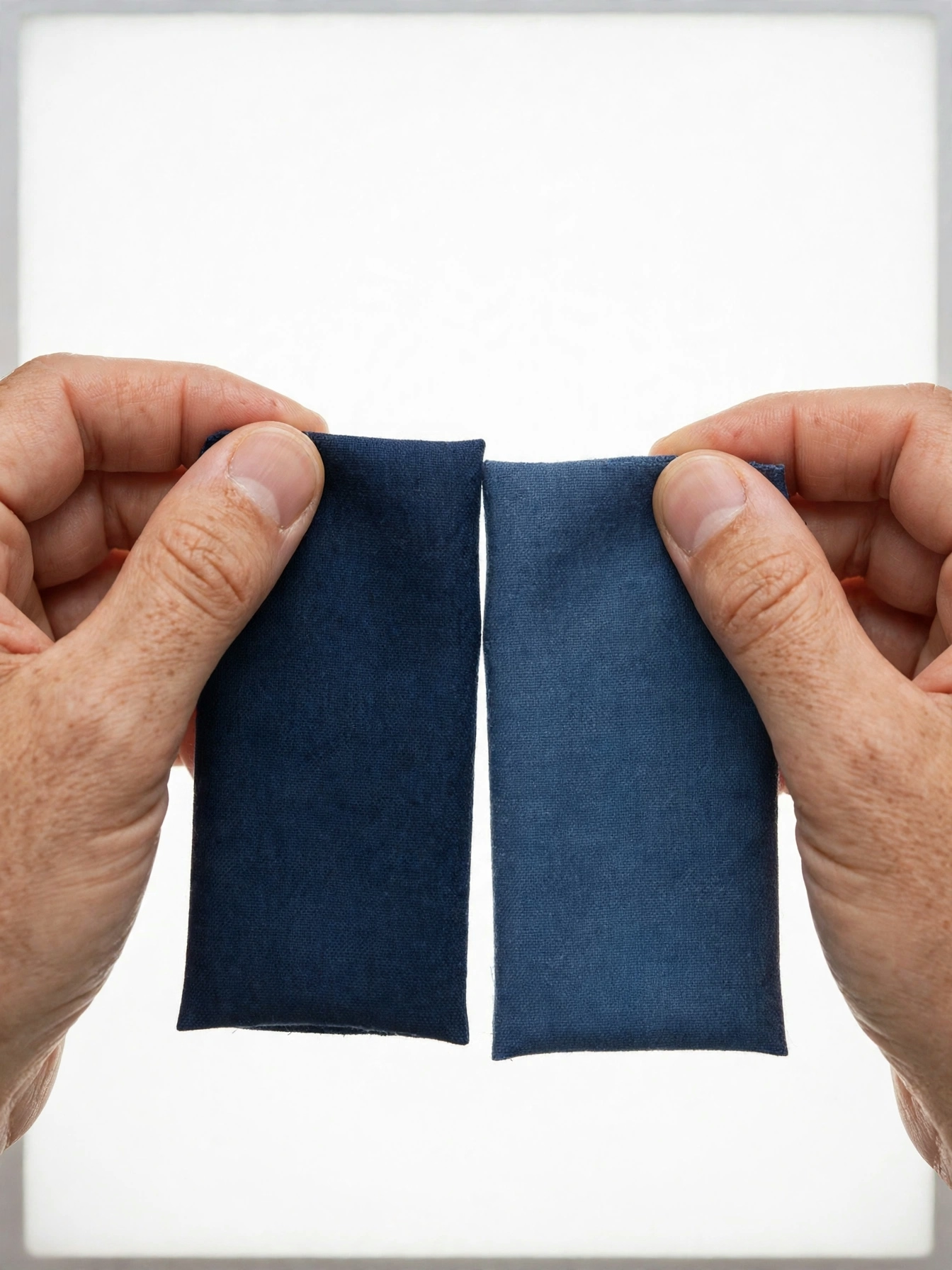
At midline – typically when a solid share of the order is sewn – a fuller audit samples finished garments across sizes and colours: measurements against the chart point by point, workmanship inside and out, shade continuity across dye lots, print and embroidery placement, and the hand feel against the approved standard.
Midline is the last moment a systematic issue can be fixed across the whole order, so it is treated as a gate, not a formality. A children’s style for our kids t-shirt programme, for example, gets its print position and neck rib recovery checked here – while every size can still be corrected.
4. Final Inspection to AQL Standards Before Packing Closes
The final inspection samples your packed order to the AQL level your programme specifies – general inspection level II at AQL 2.5 is the common standard – examining workmanship, measurements, appearance, labelling and packing across a random sample drawn from the sealed cartons, not from a prepared pile.
Critical defects stop the shipment for sorting; major and minor findings are counted against the acceptance numbers in front of you, in the report. Nothing is waved through on a relationship – the same acceptance table that passes a good order fails a bad one, and the buyer of a hoodie programme sees the count either way.
5. Lab Testing for Colourfastness, Shrinkage and Product Safety
Some quality cannot be seen, so it is tested: colourfastness to washing, rubbing and light; dimensional stability and shrinkage; spirality on knits; pilling; and the chemical and safety requirements your market imposes – REACH and OEKO-TEX expectations in Europe, CPSIA rules for children’s products in the USA, flammability where the product class requires it.
Testing runs at fabric stage and again on production samples where your programme requires it, through accredited laboratories, with reports filed in your order documents. A baby wear order for our baby clothing buyers carries its test evidence with it from the start – not requested after the vessel sails.
6. Inspection Reports With Photographs Your Team Can Audit
Every inspection produces a report written for the reader at the other end: the standard checked against, the sample size and defect counts, measurement tables, and photographs of the garments, the faults found and the corrections made. Inline summaries flow into your regular order reporting; the final report stands alone as the shipment’s quality record.
Reports are kept with the order file, so a question six months later – from your quality team, your insurer, your retail customer – is answered from the record, not from memory. That audit trail is part of what you are buying: quality you can prove, not quality you are asked to believe.
Quality Control for Clothing Buyers in the USA, UK, Canada and Australia
Distance is the enemy of quality confidence: you cannot walk our floor, so our system is built to bring the floor to you – standards agreed in writing, checks photographed as they happen, test results from accredited labs, and a final report that reads the way your own inspectors write.
UK and German buyers get the documentation depth their retail customers audit; United States programmes get the testing evidence CPSIA and state rules require; Canadian and Australian teams get inspection timing planned around long transits, so a re-inspection never costs a vessel. One standard, checked the same way on every order – that is the whole service.
How AQL Sampling Works on Your Order, in Plain Terms
AQL – acceptable quality limit – sampling means inspecting a statistically chosen sample instead of every garment, and letting the defect count in that sample decide the order’s fate. The tables link your order quantity to a sample size and to acceptance numbers: how many major defects (a fault a customer would return the garment for) and minor defects (a fault most would never notice) the sample may contain.
We draw the sample randomly from packed cartons across sizes and colours, inspect against your workmanship standard, and report the arithmetic exactly as the tables give it. If an order fails, the options are sorting, repair or re-inspection – discussed with the counts in front of both of us, so the decision is commercial, not emotional.
The Defects We Hunt at Every Stage
Workmanship: open seams, skipped stitches, uneven tension, raw edges, loose threads, mismatched parts. Measurement: any point outside the tolerance on your chart, checked across the size range, not on one garment. Appearance: shading between panels, stains and oil marks, print misplacement or cracking, embroidery faults, pressing damage.
Packing and labelling: wrong size or care labels, barcode errors, polybag and carton marking faults, assortment mistakes in ratio packs. Each class has its checkpoint – some at inline, some at midline, all again at final – because a defect hunted at three stages rarely survives to a customer’s rail. Checkers are trained per product family, since the faults that matter on a structured woven shirt are not the faults that matter on a soft knit baby garment, and a checklist written for one will walk straight past the other.
Needle Policy, Metal Detection and Child Safety Checks
Broken needle control is strict and documented: needles are issued and recorded, a broken needle stops the machine until every fragment is accounted for, and the record travels with the order file. Finished children’s garments pass through metal detection before packing, and the detector’s calibration checks are logged daily.
Child safety is checked as construction, not paperwork: drawstrings measured against the rules of the destination market, buttons and snaps pull-tested, small parts secured, sharp points and edges examined by hand at final inspection. For children’s programmes the safety file – needle record, metal detection log, pull tests, lab reports – is assembled as one pack your compliance team can file as received.