
About Siatex – Clothing Manufacturer in Bangladesh
Siatex Bangladesh is a clothing manufacturer and exporter based in Dhaka. We make private label apparel for brands, importers and retailers who want one accountable partner between a design idea and a shipped carton - a partner who develops the product, sources the fabric, runs the production and answers for the quality at the end of it.
The company works as a full-service manufacturing desk. Research and development, sampling, fabric and trim sourcing, merchandising, production, quality assurance and shipment all sit inside one team, so an order never disappears into handovers between separate companies. When you write to Siatex, the people who reply are the people running your order.
From our Dhaka base we supply garments to buyers in the USA, the UK, Germany, Canada and Australia, and to labels selling into France, Spain, the Netherlands and South Korea. This page introduces the company behind those orders: what we make, how we work, and the standards a programme is run to.
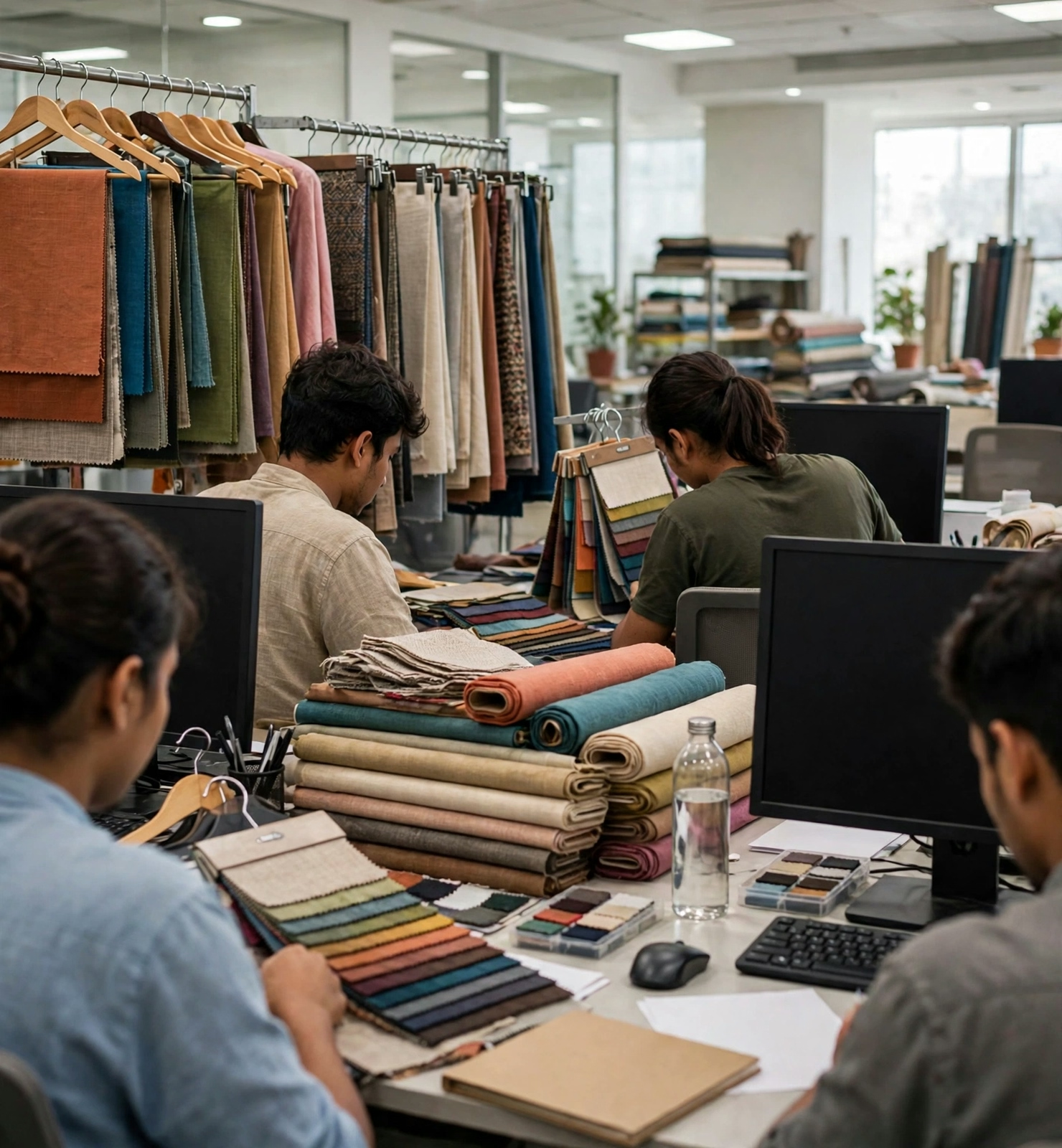
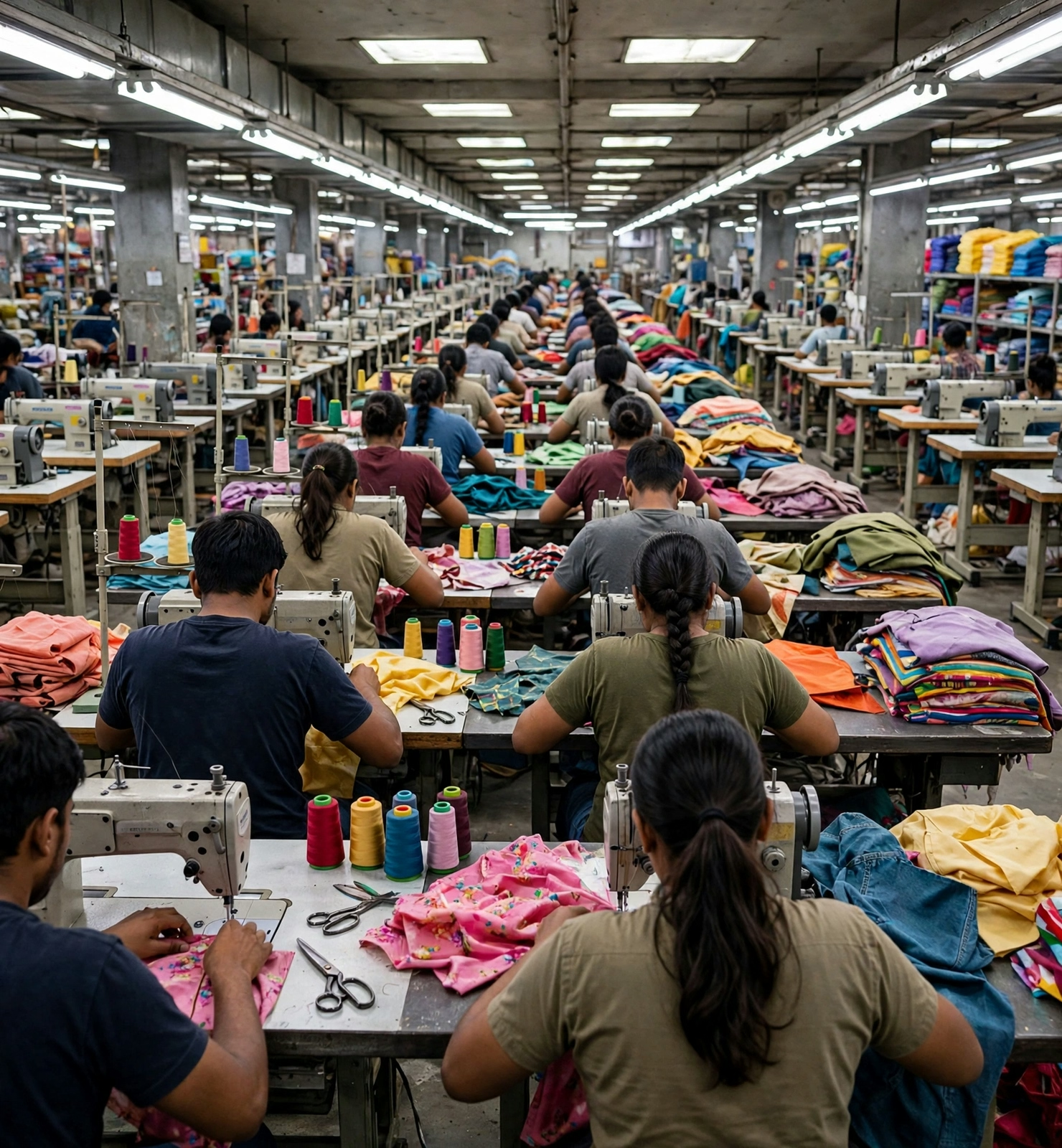
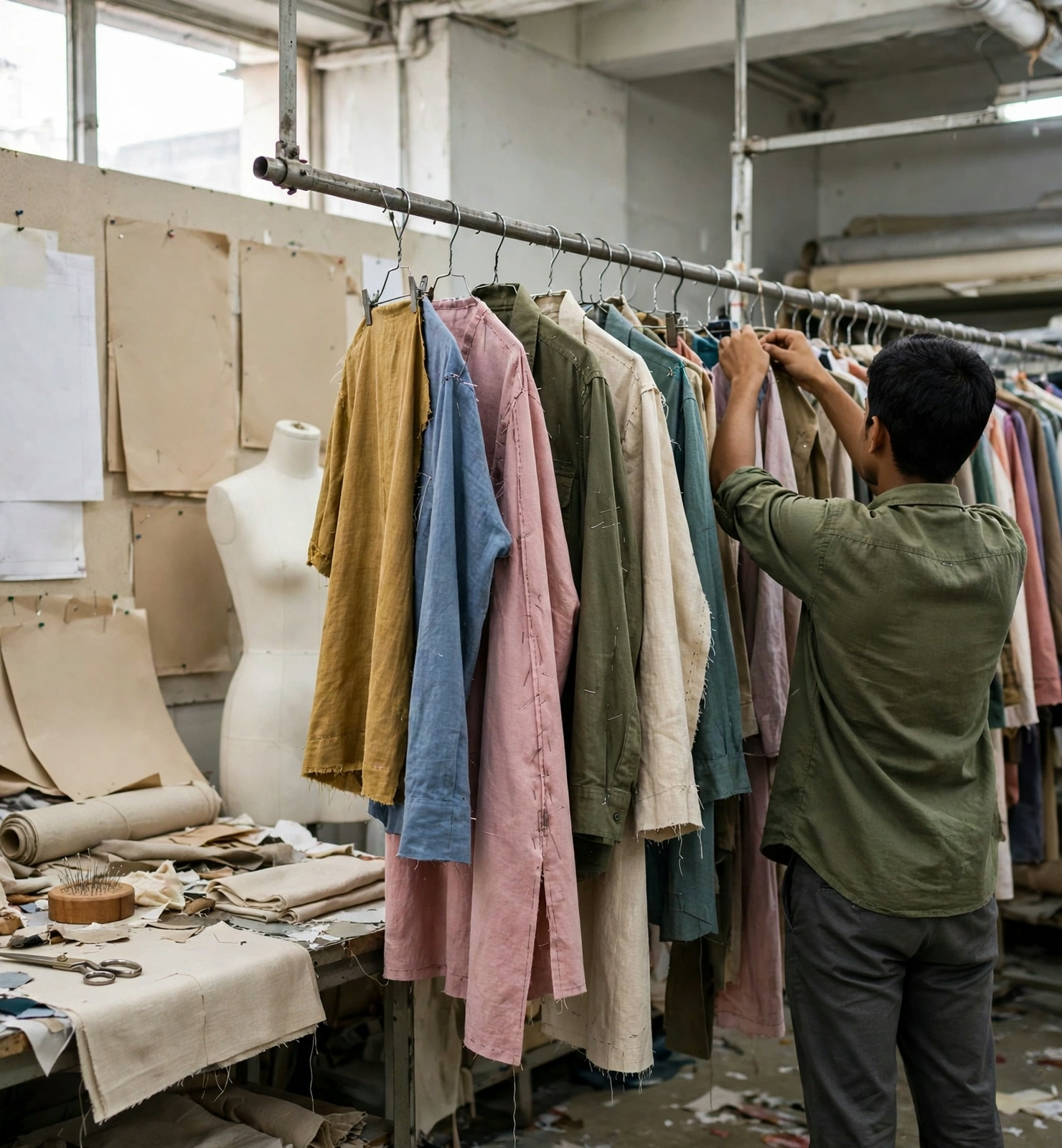
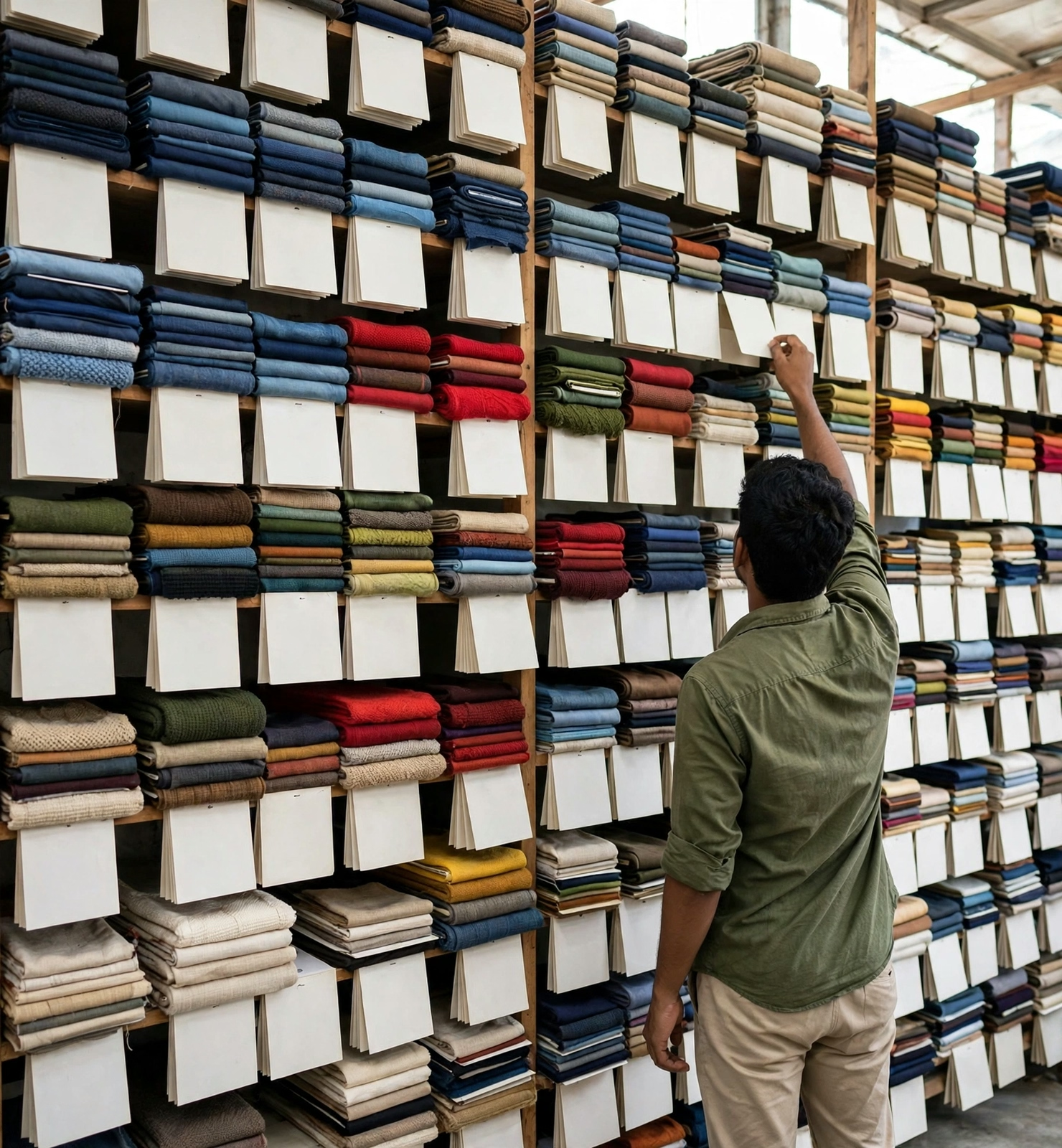
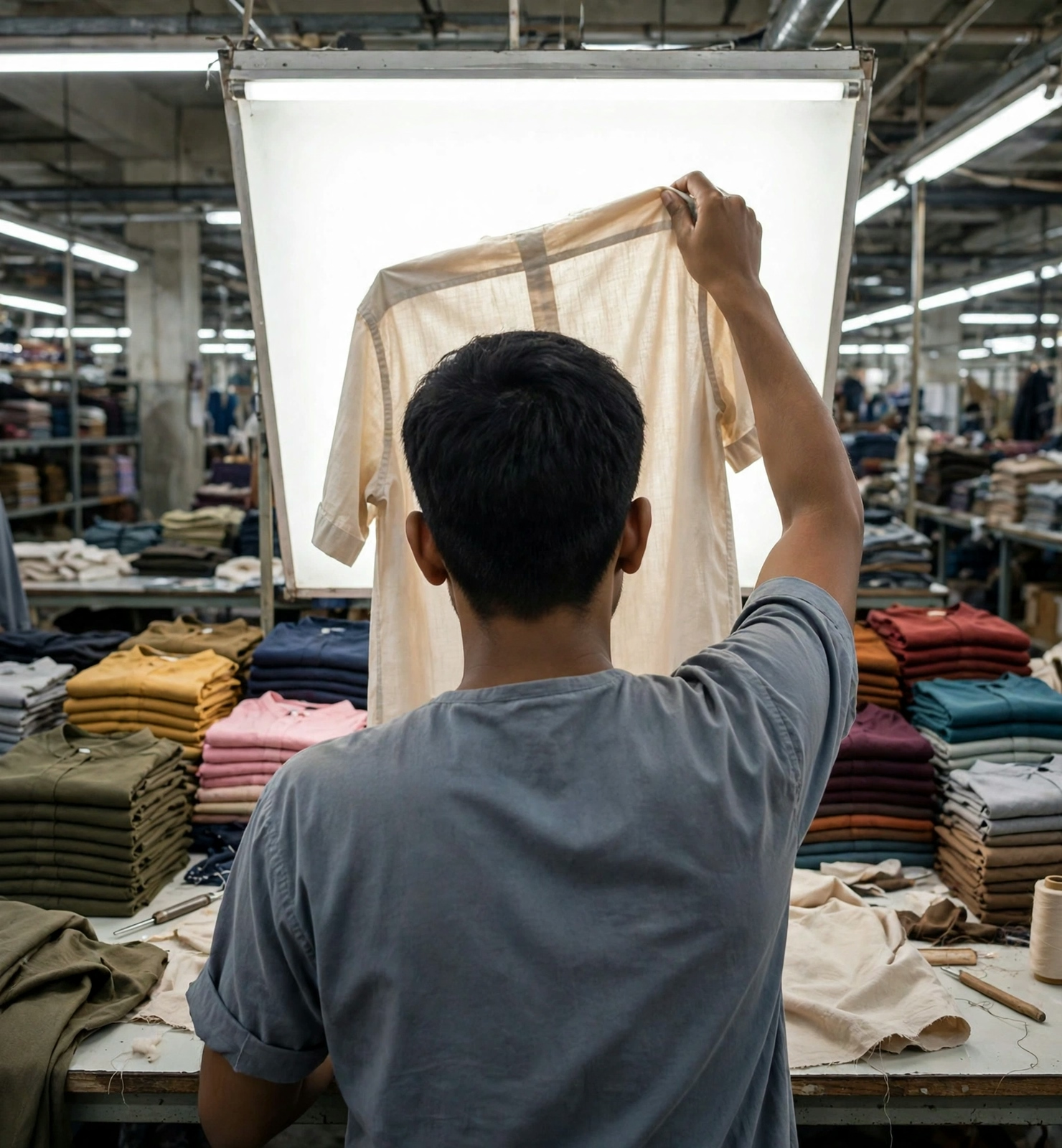
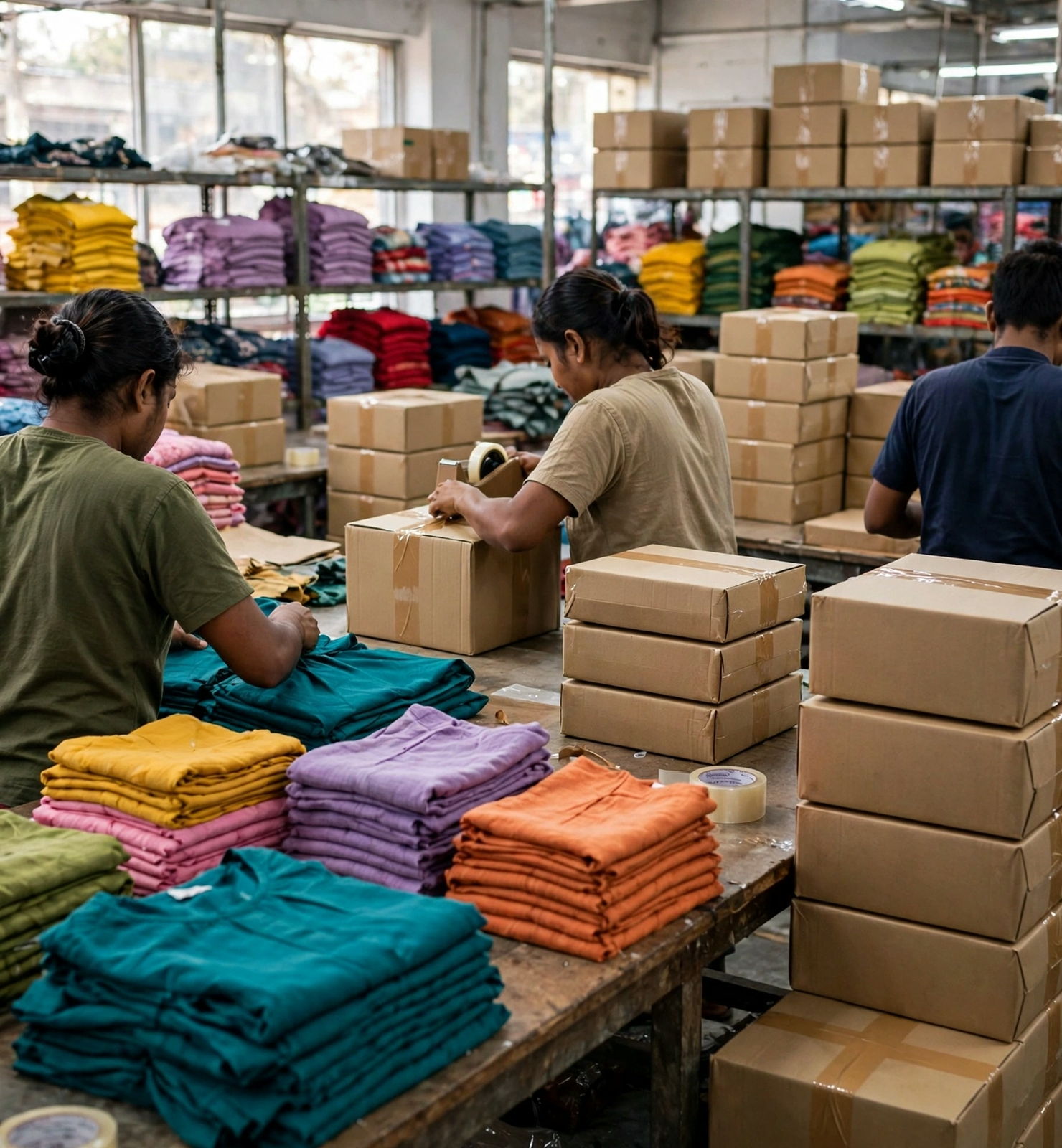
Clothing Manufacturer in Bangladesh for Private Label Brands
The sections below cover the company in the order buyers usually ask about it: who we are, the clothing categories we produce, how an order moves through the building, where we are based, who we work with, and why programmes stay with us season after season.
1. Who We Are
Siatex is a garment manufacturer and exporter working from Dhaka, the centre of Bangladesh’s apparel industry. The business was built around a simple observation: overseas buyers rarely struggle to find a factory – they struggle to find one partner who handles development, sourcing, production and quality as a single responsibility, and communicates like it.
So the company is organised as that partner. Merchandisers, pattern and sample technicians, fabric and trim buyers, production coordinators and quality controllers work as one desk on every programme. Nothing about the service is rented in from outside agencies – the team that costs your order is the team that sews it, checks it and ships it.
2. What We Make: Clothing Categories
The product range covers the everyday categories private label programmes are built on: T-shirts and polo shirts, hoodies and sweatshirts, fleece and knitwear, shirts and casual wear, sportswear and activewear, workwear and promotional clothing, and full ranges of men’s, women’s, kids’ and baby clothing. Knitted garments are the house strength; woven programmes run through the same desk.
Each category is produced across fabrics, weights and finishes, with printing, embroidery and garment dyeing available inside the programme rather than arranged separately. A buyer can build a whole season’s range inside one relationship – basics, fashion styles and promotional lines – and hold one standard of quality and communication across all of it.
Fabric choice sits underneath every category. Knits run from single jersey, interlock and rib to fleece, piqué and French terry; wovens from twill, denim and canvas to oxford, chambray and flannel – sourced and developed through our own fabric desk, so a programme never waits on an outside supplier’s calendar.
Buyers building a range across several product types hold one fabric standard, one shade discipline and one sampling route across all of it, which is the quiet infrastructure that makes a multi-category programme manageable rather than fragile, season after season and reorder after reorder.
3. How We Work: One Team from Sample to Shipment
Every programme follows the same road. It starts with development: tech packs are read properly, patterns and samples are made, fabrics and trims are sourced against them, and costs are built from the approved sample. Our full package production model means that road is travelled inside Siatex, not across a chain of subcontractors you never see.
Once a sample is approved, merchandising drives the bulk: fabric and trims are booked, the production plan is set, and inline checks run while the order is still young enough to correct. Final inspection closes the loop before packing, and the shipment desk handles cartons, documents and freight handover through delivery and shipment – one line of accountability from first sample to final carton.
4. Based in Dhaka, Close to Our Buyers
Our head office and factory base are in Dhaka, Bangladesh (postcode 1213), inside the supply chain the country is known for: fabric mills, dyeing and washing plants, trim markets and the export port routes all sit within working reach of the production floor. That density is a practical advantage – problems are solved in person, the same day.
For North American buyers, Siatex also keeps a sales office in Canada, giving programmes a contact point inside their own time zone for updates, meetings and the quick questions that should never wait overnight. Between Dhaka and Canada, a buyer always has a person to reach – not a ticket queue, and not a generic inbox.
5. Who We Work With
Our buyers are private label brands building their own ranges, importers supplying retail chains, promotional clothing distributors, and workwear and uniform suppliers. Some arrive with complete tech packs and seasonal calendars; others arrive with a photograph, a target price and a delivery date. Both starting points are normal here – the development desk works from whichever one you bring.
Programmes range from first trial orders that test the relationship to established seasonal volumes running across several categories at once. The constant is the buyer’s standard: the garment that arrives must be the garment that was sampled, in the shade that was approved, inside the window that was promised – checked by our quality assurance team against the order file before it leaves.
6. Why Buyers Stay with Siatex
Buyers renew for unglamorous reasons. Communication is fast and written down. Costs are explained, not just quoted – fibre, fabric, construction and finish each shown for what they do to the price. Samples come back when promised, and when something in a programme cannot be done as drawn, we say so early, with the alternative already worked out.
The deeper reason is continuity. Your approved samples, fabric standards and order history live in one file, so season two starts from everything season one taught both sides. If that is the kind of manufacturing relationship you are looking for, start the conversation through sample development – a sample order is the fastest honest test of everything claimed on this page.
Working with Siatex for Brands in the USA, UK, Germany and Australia
Three questions decide most first conversations with a new buyer: how a relationship starts, how communication runs across time zones, and what happens when a programme grows. This section answers them the way we would across a table.
How a Relationship Starts: Samples First
We do not ask any buyer to trust this page. Send a tech pack, a reference garment or even a clear photograph with your target fabric and price, and the first thing that comes back is a costed sample with its specification written down. Labels in France, Spain, the Netherlands and South Korea start exactly the same way – the sample, the shade and the paperwork are judged before any bulk conversation begins.
If the sample is wrong, that is information too, and it is free. Most programmes that run for years began as one sampled style and an honest exchange about what it proved. The risk sits where it should at the start: on a single garment, not on a container.
Communication Across Dhaka and Canada
Distance is the honest difficulty of sourcing from Bangladesh, so the company is arranged against it. The Dhaka desk runs development and production; the Canada sales office gives North American buyers a same-time-zone contact for progress, meetings and decisions. European buyers work with Dhaka directly, where the order physically is, with written updates at every stage that matters – approval, fabric in-house, production start, inspection, shipment.
Nothing important travels by memory. Approvals, shade standards, specification changes and inspection results are confirmed in writing, so the file either side is reading from is the same file. It is a plain habit, and it prevents most of the disputes this industry is known for.
Growing a Programme Season after Season
A first order tests a factory; later orders test its memory. Approved fabric swatches, shade standards, patterns and packing instructions are kept against your programme, so a reorder starts from the physical standard rather than a fresh negotiation. New categories are added the same careful way – sampled first, judged as clothing, then folded into the running programme.
Growth also runs the other way: as volumes build, the desk plans fabric bookings and production slots around your calendar instead of fitting you around ours. That is what a manufacturing partnership is supposed to mean, and it is the standard this page will be judged against.