
Our Clients – Clothing Buyers Served from Bangladesh
Our clients are the brands, importers and retailers whose labels sit inside the garments this factory system makes. They come to Siatex for private label programmes, repeat ranges and dependable production - and they stay, season after season, because the desk that serves them keeps its records, its standards and its promises in one place.
This page describes who they are, where they sell, what they buy and why the relationships last. One thing it will not do is name them. Client programmes are commercially sensitive, so Siatex does not publish a logo wall or a name list; what follows is the honest picture - the types of buyers we serve and the markets their garments are sold in.
The buyers we work with sell into the USA, the UK, Germany, Canada and Australia, and into Spain, Denmark, Japan and the UAE. If your label is building a private label range in any of those markets, the sections below show the company you would be keeping - and how a working relationship here begins.




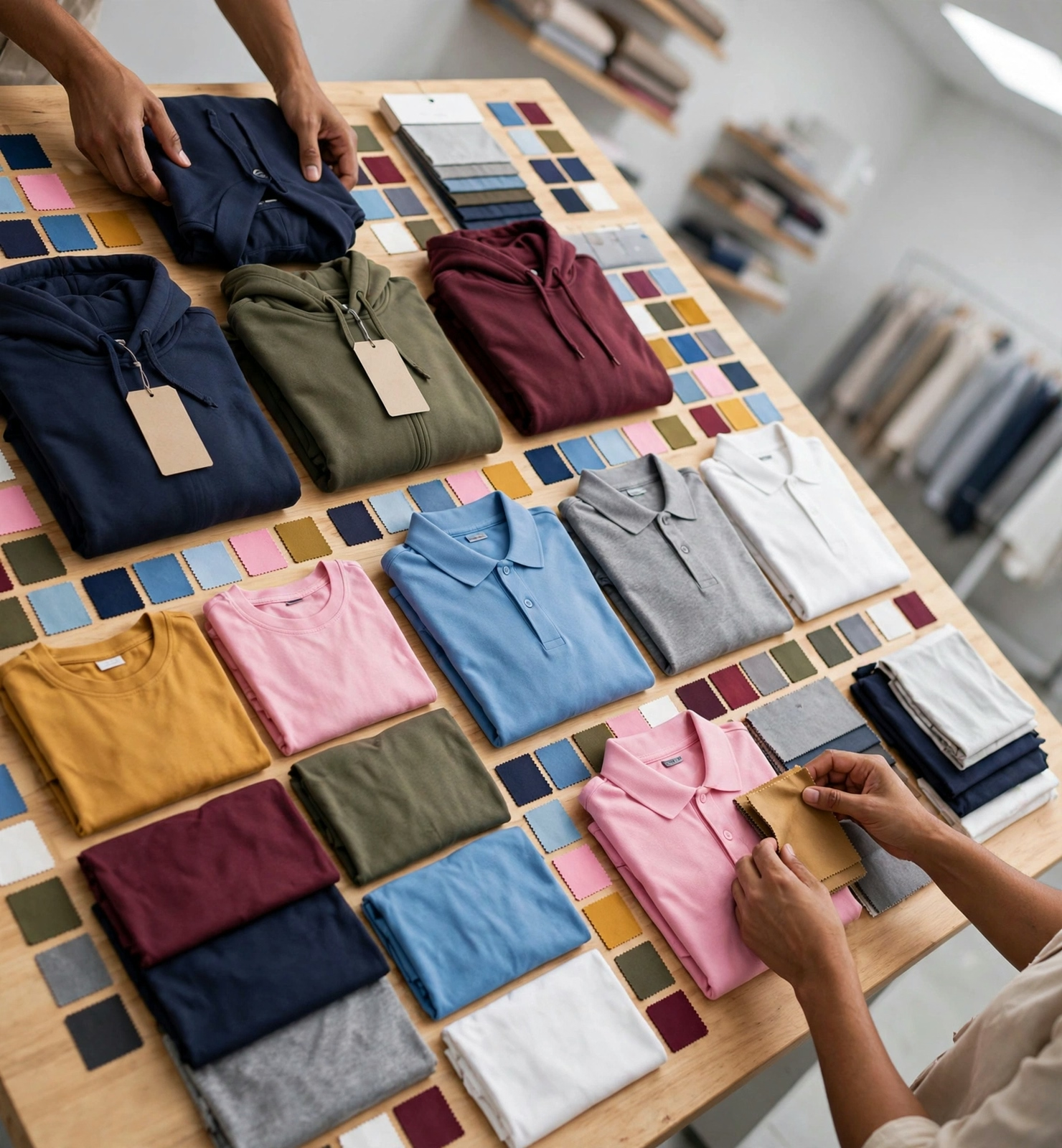
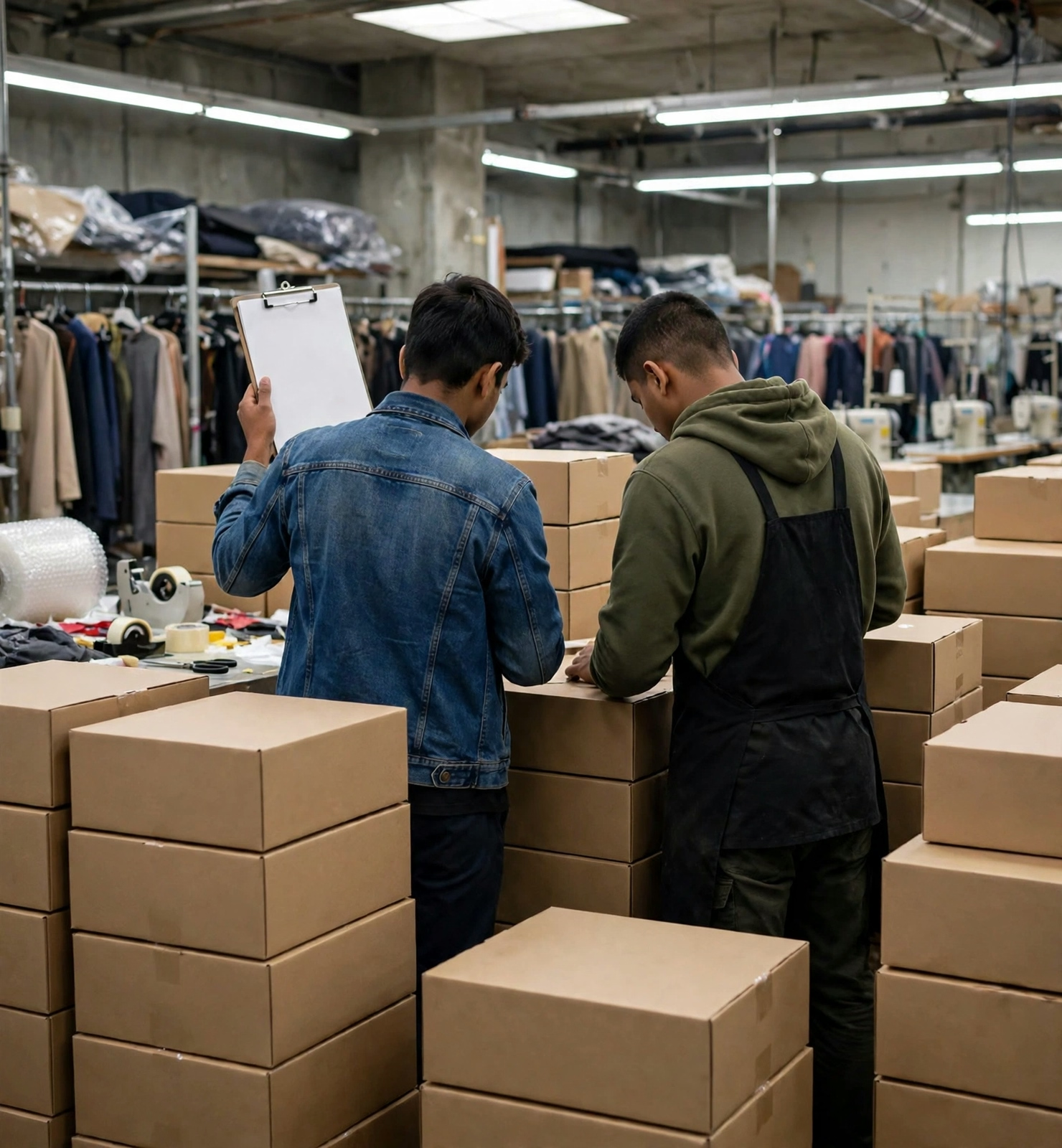
Clothing Buyers and Brands Served from Bangladesh
Every client relationship at Siatex is a programme, not a transaction. The shape of the programme differs by buyer type; the desk, the records and the standard stay the same.
1. Who Our Clients Are
The largest group is private label brands: labels that design and sell under their own name and need a manufacturing partner to develop, cost and produce their ranges. Some are established names with years of seasons behind them; others are younger labels scaling from their first capsule to full ranges, growing their volumes with us as their sales grow.
Alongside them sit importers and wholesalers who supply retail chains and catalogue sellers, promotional distributors building garment lines around print and embroidery, and retail groups sourcing their own-brand basics. What they share is a need for a Bangladesh partner who treats their range as a programme – remembered, costed honestly and produced to the approved sample every time.
2. The Markets Our Clients Sell Into
Our clients sell garments across North America, Europe and beyond: the USA and Canada; the UK and Germany; Spain and Denmark; Australia; Japan and the UAE. Each market writes its own rules into the garment – labelling and fibre content, testing and restricted substances, size conventions and packing expectations – and the desk manages those rules as part of each client’s programme, as our business model page sets out.
Serving many markets from one desk is deliberate. A client expanding from one country into the next does not need a new supplier: the same order file, the same approved standards, and the market-specific requirements layered onto the programme by people who have shipped into those markets before.
3. What Clients Buy From Us
Client programmes span the knit and woven categories this site is built around: T-shirts and polo shirts in volume, fleece and hoodies, nightwear and loungewear, kids and baby clothing, sportswear and workwear lines, with printing and embroidery carried inside the same order. The full range is on our full package production page; the point here is that a client’s whole category spread can live under one roof.
That consolidation is worth more than convenience. One desk holding every category a label sells means colour stories match across product types, size standards stay consistent, and shipment planning can combine categories into sensible loads. Clients who arrive for one category routinely move the neighbouring ones here within a season or two, once the system has proven itself.
Programmes also differ in rhythm. Fashion-led clients run seasonal calendars with new styles every quarter; basics-led clients run continuity programmes where the same styles reorder with fresh colours and sizes. The desk handles both from the same order-file discipline – the seasonal files carry development history, the continuity files carry the consistency record that keeps a core style identical year after year.
4. Why Clients Stay
Programmes here run for years, and the reason clients give most often is memory. The desk keeps each client’s order file: patterns, approved samples, shade standards, packing instructions, the small preferences every label has. A reorder starts from that file, not from a blank email thread – so the tenth order is easier, faster and more consistent than the first.
The second reason is how problems are handled. When something slips – a fabric delay, a shade argument – clients hear it from us early, with the effect on their date and the recovery plan attached. Buyers forgive a problem; they do not forgive a surprise. Our about us page makes the same promise because it is the one our long-standing clients would describe.
5. Confidentiality: Why No Client List Is Published
Some supplier websites cover a page with client logos. We do not, and the choice is principled: a label’s sourcing is its commercial business, designs in development are its property, and publishing a client’s name to win the next client trades on trust we were given for another purpose. Our clients’ competitors read supplier websites too.
Serious buyers doing due diligence are not left with nothing. In a direct conversation we can describe programme types, categories, volumes handled and markets served in concrete terms, and discuss reference possibilities properly – through the contact us page, where such requests belong. What we will not do is print names in public; a supplier careless with one client’s identity would be careless with yours.
6. Becoming a Client
New relationships start the way the old ones did: with a style, a target and a conversation. Send a tech pack, a reference garment or even a clear photograph with quantities and a delivery aim; the desk costs it openly, samples it, and lets the sample make the argument. Our minimum order quantity page explains how programme sizes are approached – by style, fabric and construction, never by a wall.
If the sample earns the order, your programme gets its order file and its merchandiser, and the relationship starts building the memory that keeps clients here. That is the whole pitch: become one programme among many that this desk knows by heart, in the markets listed above and the next one you are planning to enter.
Serving Clients in the USA, UK, Germany and Australia
Behind the client types sit three questions buyers ask before trusting a supplier with a range: how long relationships here actually last, how references and due diligence work, and what kind of client gets the most from the arrangement. Straight answers follow.
Long-Term Clients and What Long-Term Means Here
Long-term at Siatex is measured in programmes, not orders: labels whose ranges have run through our system season after season, whose colour palettes and size standards the desk knows without being reminded, whose reorders are placed against files built up over years. That continuity is the asset a new client is really buying into – a desk that will know their range the same way.
It changes behaviour on our side too. A supplier chasing one-off orders can cut a corner and disappear; a desk keeping a five-year programme protects it, because the next season matters more than this shipment. Clients feel it in small decisions: the shade held back for approval rather than shipped on hope, the delay reported early rather than at the dock.
References and Due Diligence
Every serious buyer checks a supplier before the first order, and we expect it. Beyond the confidential conversations described on this page, buyers can test the system directly: a paid sample programme runs through the same desk, costing method and quality checks as bulk production, so sample stage shows exactly what bulk will feel like, only larger.
Factory visits are part of due diligence too, arranged through the contact page at the serious stage of a programme. Seeing the lines, inspection tables and order files behind a supplier’s claims is worth more than any brochure – which is why this page keeps its claims to what a visit can verify.
The Kind of Client Who Gets the Most From Us
The arrangement pays best for buyers building something: a label growing its range, an importer consolidating categories with one accountable partner, a retailer tired of re-teaching standards to a new factory every season. For them, the order file, the market knowledge and the memory compound quickly.
It pays least for spot buying on price alone, where this season’s cheapest quote wins and no programme ever forms. We cost openly and compete hard, but the system’s value is cumulative, and buyers who stay long enough to feel it rarely go back to chasing quotes. That is the client story in one line: not who they are, but why they are still here.