
Garment Dyeing and Wash Services in Bangladesh
Colour is the first thing your customer sees and the first thing they judge. Garment dyeing and wash services at Siatex Bangladesh control that colour from lab dip to bulk lot, and give garments their finished character - the wash, the hand feel, the vintage or the crisp newness your design intends.
Dyeing and washing are where fabric becomes a product's identity, and where inconsistency is most visible: a shade that drifts between lots, a wash that varies between cartons. Our system prevents both - approved lab dips, recipe discipline, lot-by-lot shade checking under standard light, and wash standards approved by you before production touches water.
We dye and wash for private label brands, importers and retail programmes in the USA, the UK, Germany, Canada and Australia, and for buyers selling into Spain, Japan, Denmark and Saudi Arabia. Piece dyeing, garment dyeing, yarn dyeing and the full range of garment washes, run with the testing your market requires.

Garment Dyeing and Wash Services in Bangladesh for Private Label Brands
A shade on a screen, a swatch and a bulk garment are three different things – the service below exists to make them one. The sections explain our dyeing routes, how shades are matched and approved, the wash menu and its controls, and the environmental plant that treats our water – because responsible dyeing is now part of what buyers audit.
1. Dyeing Routes – Piece, Yarn and Garment Dyeing
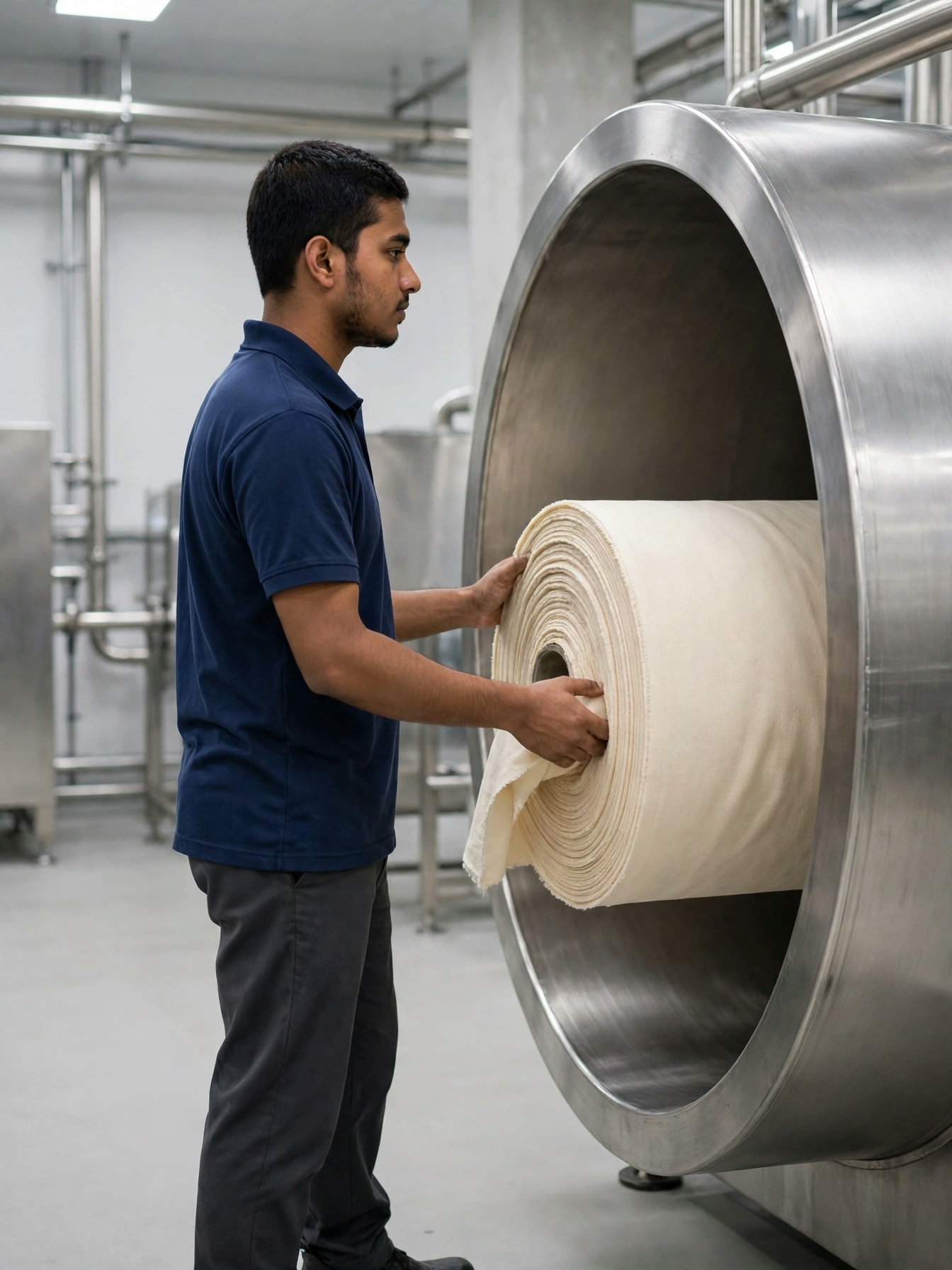
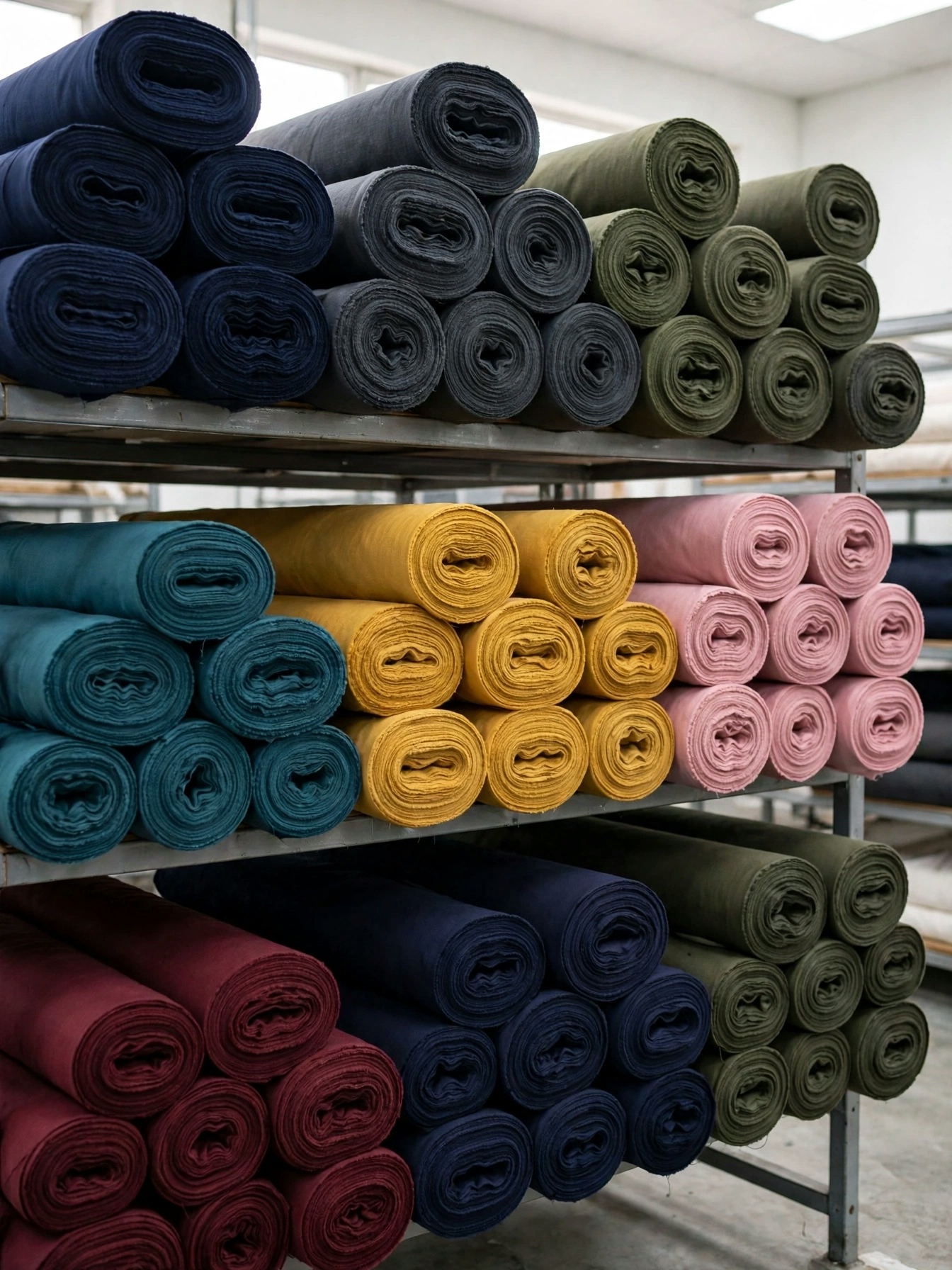
Piece dyeing colours the fabric before cutting – the route for most programmes, giving even shade across a lot and fabric ready for production. Yarn dyeing colours the yarn before knitting or weaving, for stripes, checks and melange effects knitted in from our knitting floor. Garment dyeing colours the finished garment, giving the soft, lived-in character and seam shading fashion ranges use deliberately.
Each route has its discipline: piece lots built from one fabric history, yarn lots tracked to the cone, garment dyeing loads balanced by size and weight so every garment in the load takes the shade evenly. The route is chosen with your design – and its risks explained before, not discovered after.
2. Lab Dips and Shade Matching Approved Before Bulk Dyeing
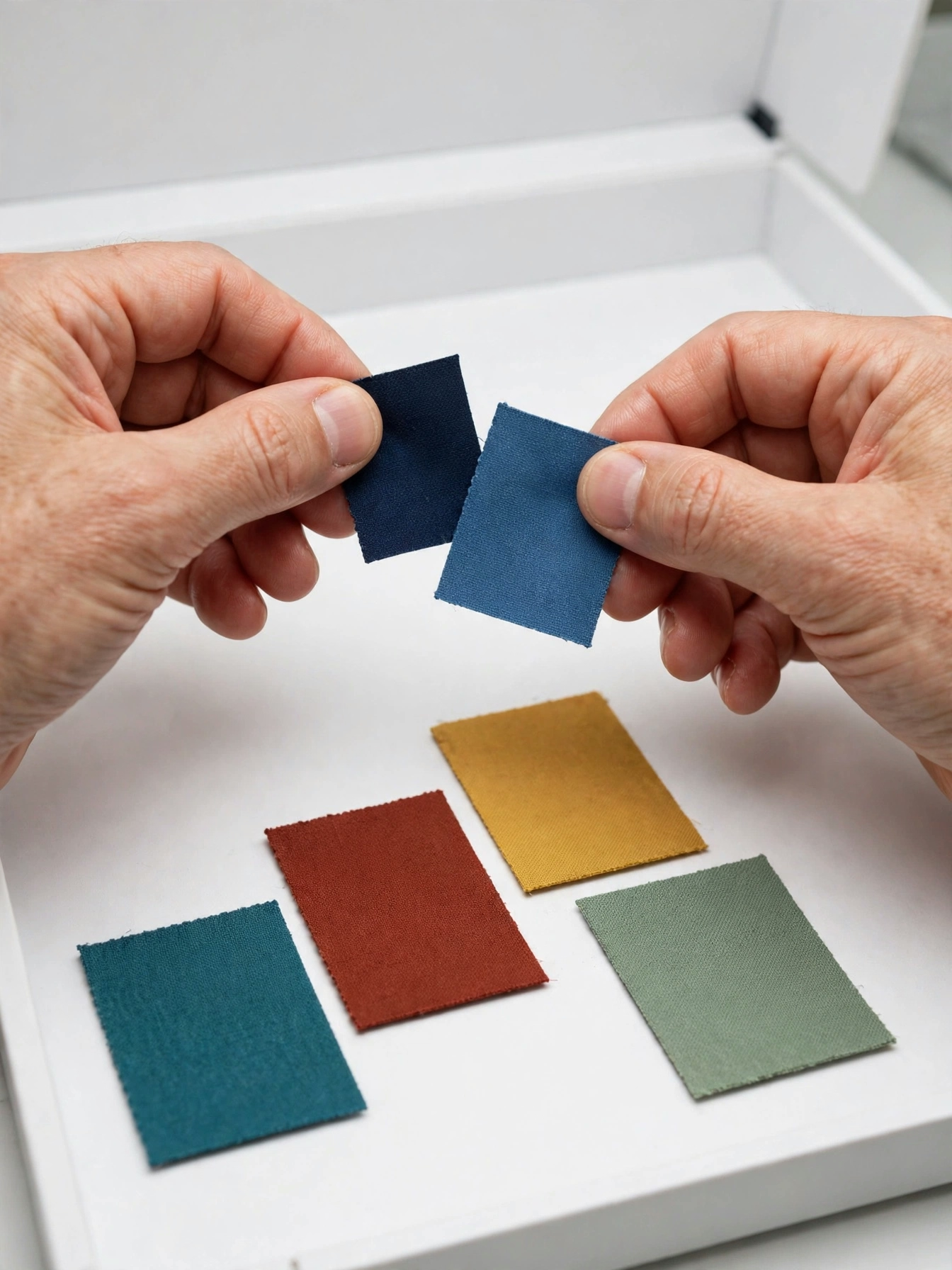
Every shade starts as lab dips: small dyeings on your actual fabric, matched to your Pantone or physical standard, assessed under standard light – daylight and store light – because a shade that matches in one light and fails in another is a return waiting to happen. Dips are revised until our colourist and your approval agree.
The approved dip becomes a recipe, recorded precisely, and bulk dyeing mixes to it. First bulk lots are shade-checked against the approved dip under the light box before the lot is released, and continuity across repeat lots is checked the same way – your third order’s navy is your first order’s navy, proven under the lamp. Our fabric team manages the same discipline for bought-in dyed fabrics.
3. Garment Washes – Enzyme, Stone and Vintage Effects
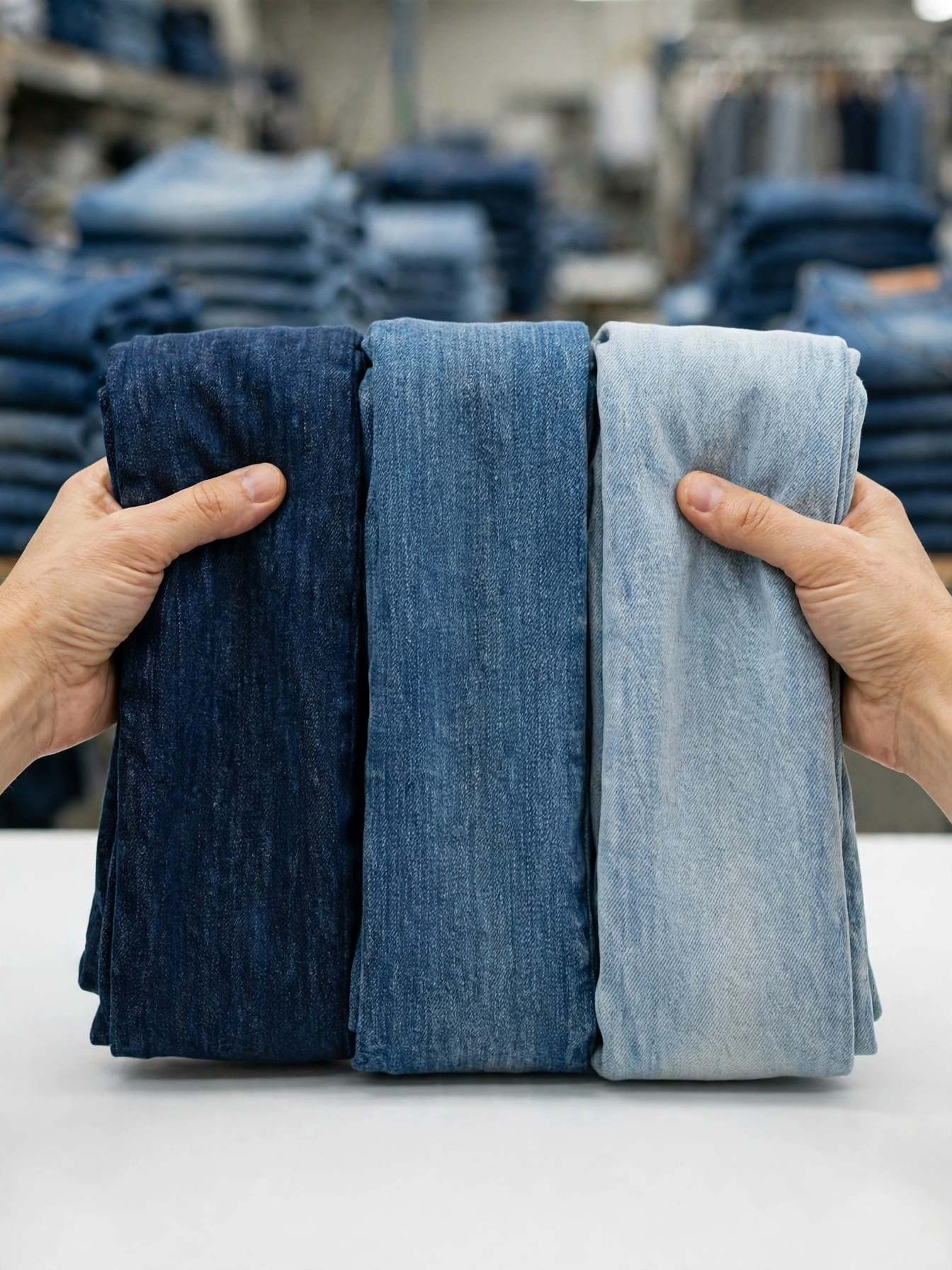
Washing gives a garment its final hand and character: enzyme washes for softness and a clean surface; stone and enzyme-stone washes for worn denim and casual character; silicone softening for hand feel; vintage and tint washes for sun-faded effects; and rinse-only finishes where the design wants the garment crisp and new.
Every wash is developed as a standard first – wash samples at graduated intensities, approved by you on real garments – because a wash described in words drifts, and a wash approved as a physical standard can be matched load after load. A casual wear programme’s mid-wash in month six is the same mid-wash approved in month one.
4. Colourfastness and Consistency Control Across Lots
Shade is only half of colour quality; the other half is fastness – colour that stays in the garment through your customer’s washing, rubbing and sunlight. Production lots are tested for colourfastness to washing, water, rubbing and light to your programme’s standard, with results filed to the order before shipment.
Consistency control runs lot to lot: shade bands on every dye lot checked under the light box, garments from different lots compared before they are packed together, and any drift corrected at the dye stage while correction is still possible. The quality team’s final inspection includes shade continuity across the packed order as a named check.
5. Effluent Treatment and Responsible Dye House Practice
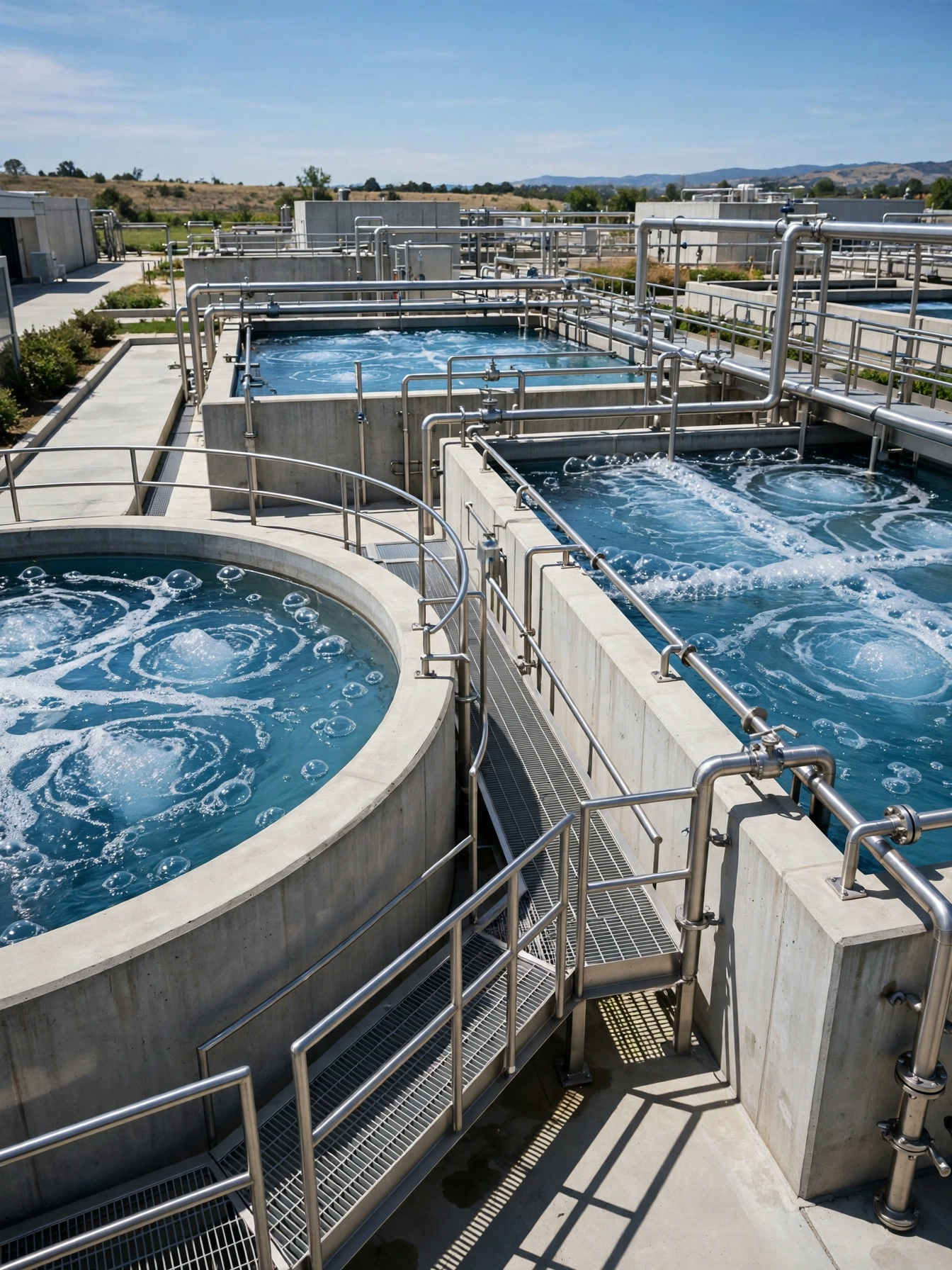
Dyeing uses water, and what leaves the dye house matters to our buyers as much as what leaves in cartons. Our effluent is treated through a maintained treatment plant before discharge, chemical use follows the restricted-substances expectations of European and North American programmes, and low-liquor dyeing practice reduces the water each kilogram of fabric consumes.
Buyers’ compliance teams are welcome to the records: treatment logs, chemical inventories and test reports form part of the audit file our factory keeps ready. Responsible practice here is not a brochure claim – it is plant, paperwork and a standing invitation to inspect both.
6. Dye and Wash Standards Filed With Your Order
Approved lab dips, wash standards, recipes and fastness results are all filed against your order and your account – so a repeat programme does not restart colour development from zero, and a new style in an existing colour family inherits its proven recipe and its proven wash.
That file is the quiet asset behind consistent repeat business: a sweatshirt range reordered in the same five colours runs from the same five standards, checked the same way, while your competitors’ reorders drift. Colour memory, like every other kind, is what a long-term manufacturing partner is for.
Dyeing and Wash Support for Clothing Buyers in the UK, Germany, Canada and Australia
Colour approval at distance runs on evidence: lab dips couriered on your fabric, shade readings and light-box photographs with bulk submissions, fastness reports from accredited testing, and wash standards held as physical garments. Your team approves shades with confidence because they approve them on the material itself.
German and UK buyers get the chemical documentation their compliance requires; Japanese programmes get the shade precision their market is known for – matched, recorded and held across lots; Canadian and Australian buyers get continuity across long reorder cycles. Colour is a promise a garment makes at first sight – this service exists to keep it.
How a Shade Travels From Your Standard to a Bulk Lot
It begins with your standard – a Pantone reference or a physical swatch – and a lab dip on the production fabric. The colourist adjusts the recipe across rounds until the dip matches under standard light; you approve it; the recipe is scaled to bulk, where liquor ratio, temperature curve and timing are controlled so the large vessel reproduces the small beaker’s result.
The bulk lot is then checked against the approved dip before unloading, and a production shade band is cut for your file. Every later lot repeats the comparison. The journey is unglamorous – beakers, lamps, recipes, records – and it is exactly why your shade survives the distance between a colour card in your office and a container leaving Chattogram.
Garment Dyeing or Piece Dyeing – Which Suits Your Programme
Piece dyeing is the efficient default: fabric dyed in bulk, shade evenness easiest to control, cutting and sewing working with finished colour. It suits core programmes, large quantities per colour and anything where consistency across a big lot is the priority.
Garment dyeing trades some of that control for character and flexibility: colours can be decided late, small colour runs become practical, and the finished garment gains the soft, slightly shaded look at seams and edges that fashion buyers prize. It demands even garment construction and careful load balancing. Our advice at development is honest about both – the look you want decides, and we will tell you plainly what each route risks on your specific product.
Heavy Washes and Denim Effects – What We Control
Stone washing, abrasion and vintage effects are controlled destruction, and control is the operative word: wash intensity is standardised by load weight, stone ratio, time and temperature, and proven on approval garments graded light to dark so you choose the exact level. Hand finishing effects are sampled and standardised the same way.
Fabric strength is tested after washing development, because a wash that achieves its look by weakening the garment has failed its real job. The standard you approve – look, hand feel and strength together – is the standard every load is matched against, with garments pulled from production loads and compared to the approved set before the order proceeds. When a load drifts from the approved look, it is reworked or held – it is never blended quietly into the order and left for your warehouse to discover.