
Clothing Production Lead Times in Bangladesh
Every clothing order lives or dies by its delivery date, and the date is decided long before the sewing starts. Lead time is not one block of days; it is a chain of stages - sampling, fabric, bulk production, inspection and export - and the slowest link sets the pace. This page explains how that chain works at Siatex Bangladesh, so you can plan your season around honest dates.
The biggest variable is fabric. An order made from a cloth that is ready or quickly sourced moves fast; an order waiting on fabric that must be woven, dyed or developed to a new specification carries that work inside its timeline. Everything else follows from that single fact, which is why we confirm the delivery date only after the fabric route is known, never before.
We plan production calendars with private label brands, importers and retail buyers in the USA, the UK, Germany, Canada and Australia, and with labels selling into Spain, Denmark, South Korea and the United Arab Emirates. Your confirmed date is written into the order file at confirmation, then tracked stage by stage by your merchandiser until the goods leave Dhaka.

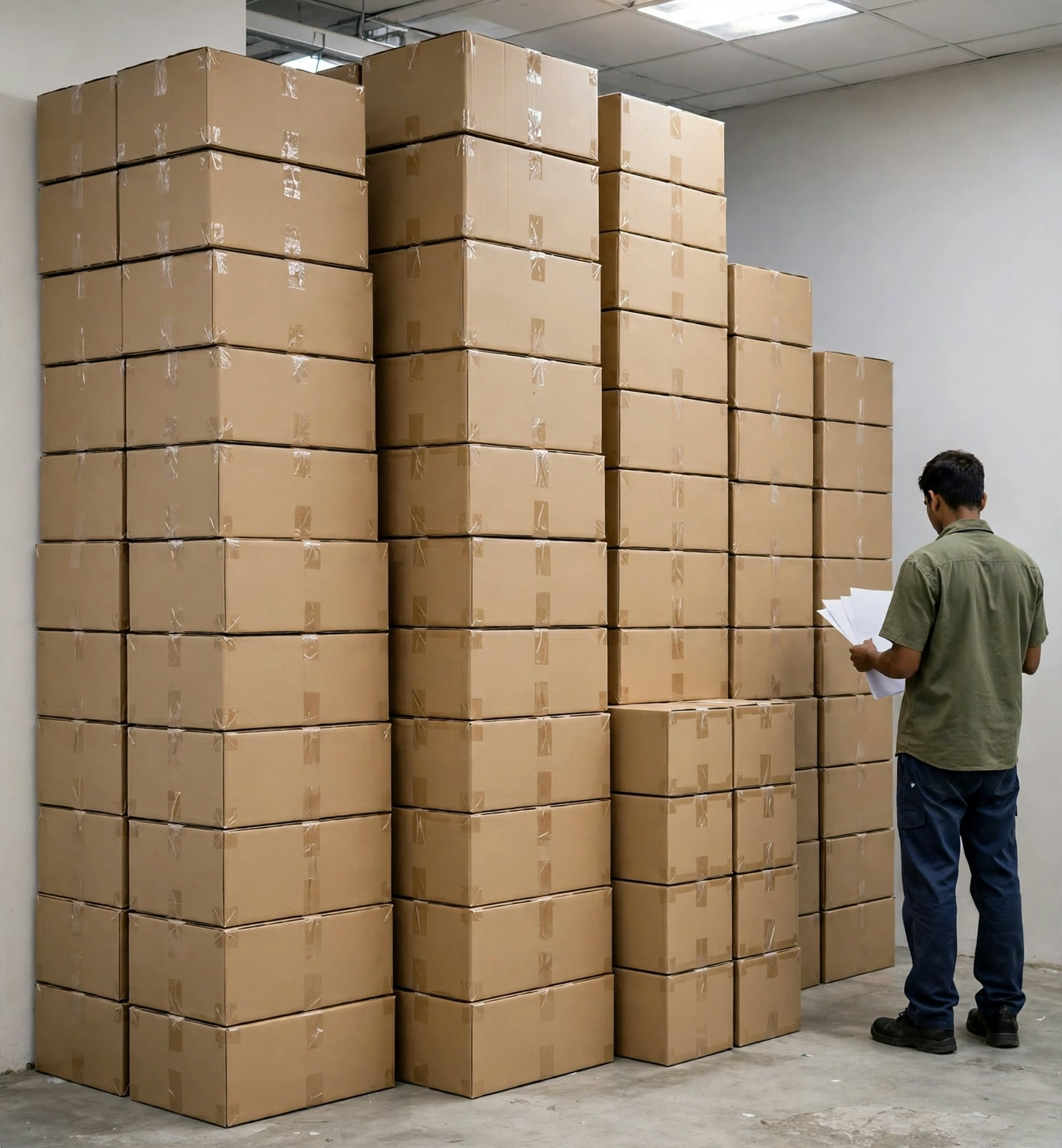
How Clothing Production Lead Time Is Built, Stage by Stage
Read the stages below in order and you have the anatomy of any garment order’s timeline – including where time is genuinely spent, where it is commonly lost, and what keeps each stage moving.
1. When the Lead Time Clock Starts
The clock starts at order confirmation: the moment the specification, quantities, colours and price are agreed and recorded. Everything before that point – inquiry, sampling for development, negotiation – is preparation, and orders that try to count it as production time are the ones that miss their dates. A clean start matters because every stage after it is scheduled against real capacity.
Starting clean means the tech pack or approved reference is settled, the fabric route is chosen, and the payment structure is confirmed. Our full package production team checks those three before the date is promised, so the calendar you receive is built on decisions already made, not decisions still pending.
2. Sampling and Approval: The First Stage
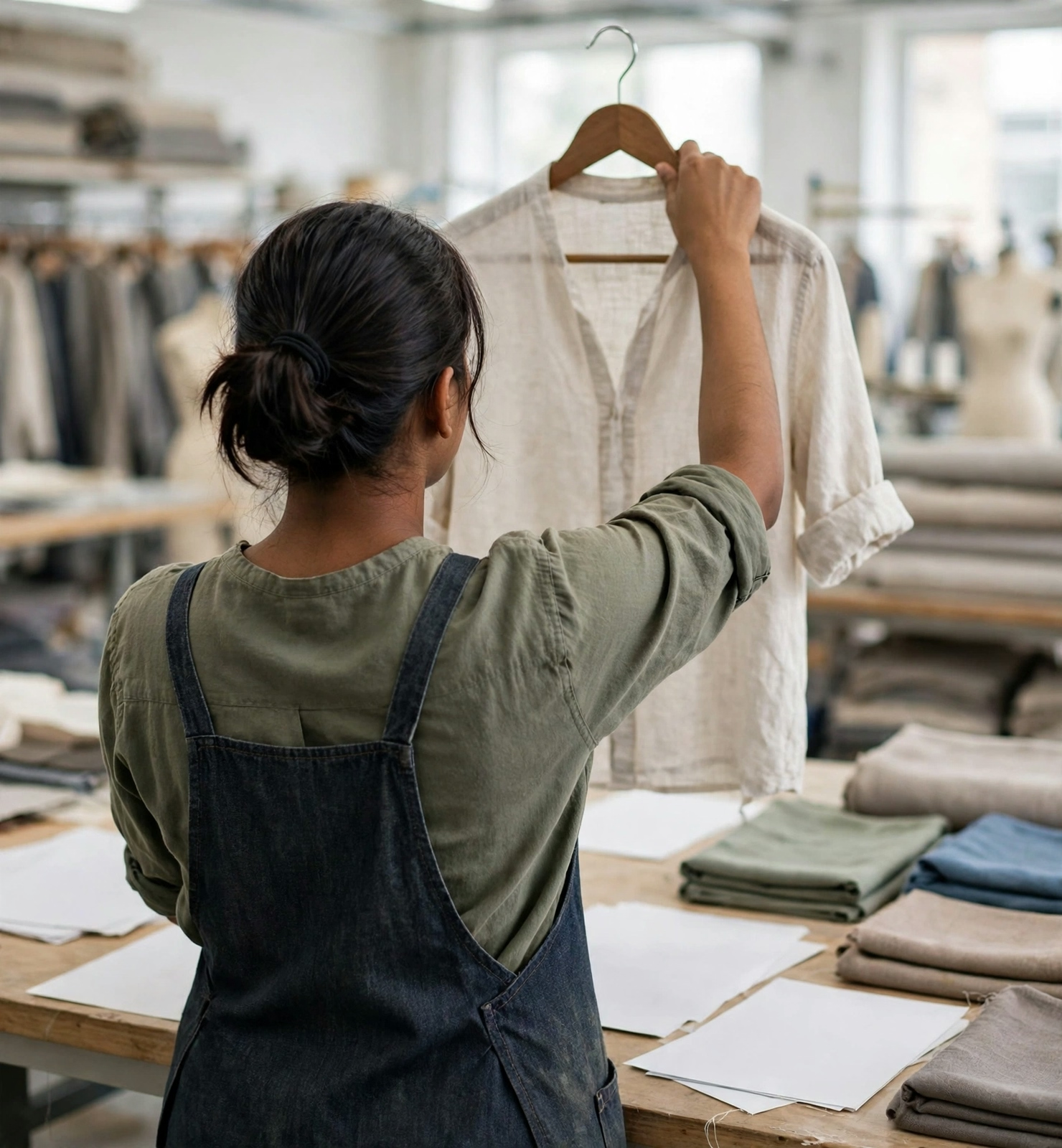
Before bulk, the garment must exist and be approved: the pre-production sample that the line will copy. Where a style is new, this stage carries pattern work, the sample sewing itself, your review and any corrections – and it cannot be rushed without the errors surfacing later in bulk, where they are far more expensive.
Buyers protect this stage by approving promptly and completely: one round of clear comments beats three rounds of partial ones. Our sample development team works to your comments in order and returns the revised sample with the changes visible, so approval is a decision, not a debate.
3. Fabric and Trims: The Stage That Decides the Date
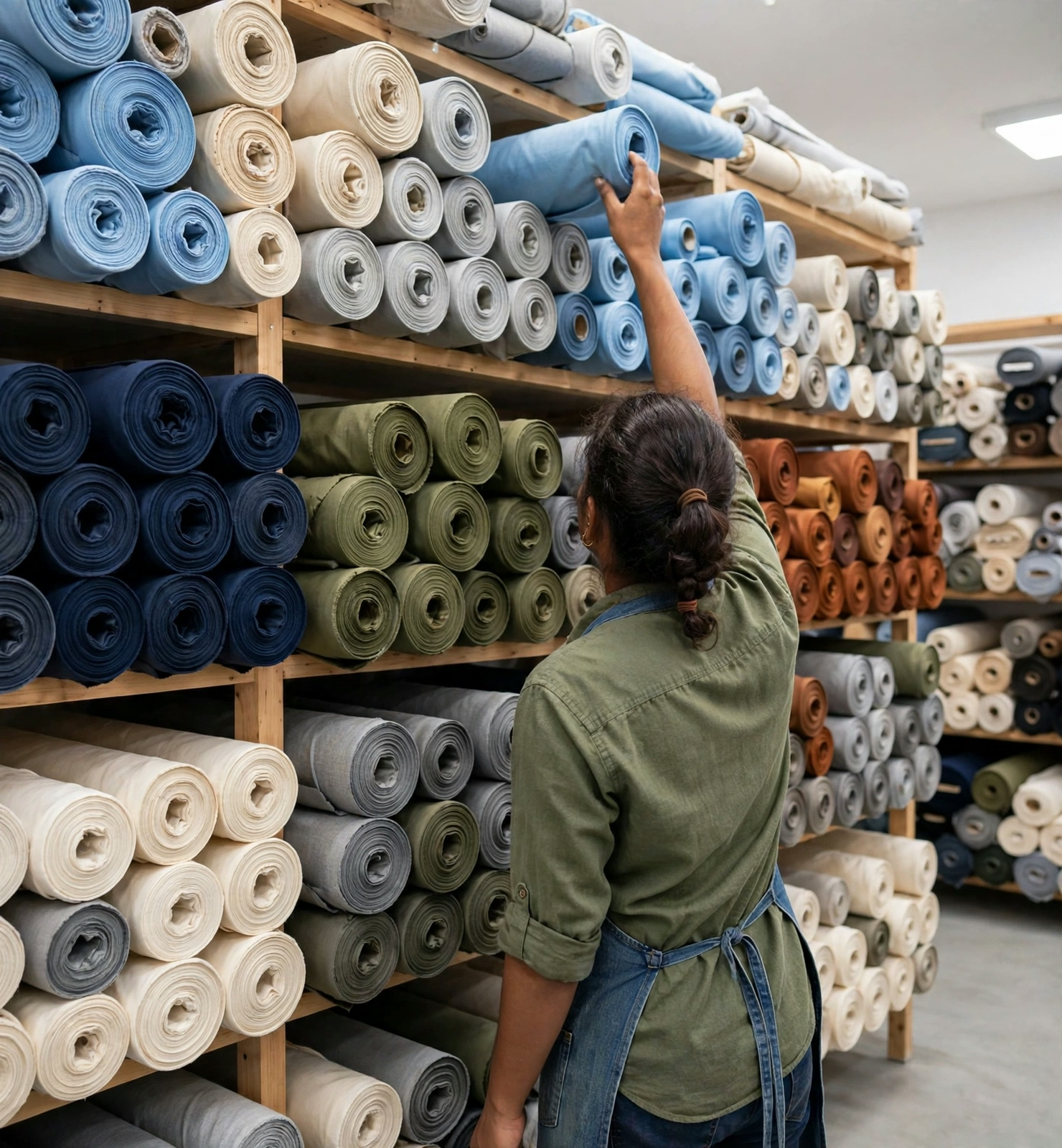
Fabric is the long pole in almost every timeline. A stock or running fabric is a sourcing errand; a fabric dyed to your shade is a production process with its own queue at the dye house; a fabric developed from scratch – new yarn, new weave or knit, new finish – is a project in itself. Trims follow the same logic on a smaller scale: standard buttons and labels move quickly, custom-developed trims take their own time.
This is why our fabric sourcing team confirms the route before the date is promised, and why the honest answer to “how long will it take” is always “it depends on the fabric” until that check is done. Once fabric and trims are in the factory store, the remaining stages are largely within our own control – and the date firms up accordingly.
4. Bulk Production: Cutting, Sewing and Finishing
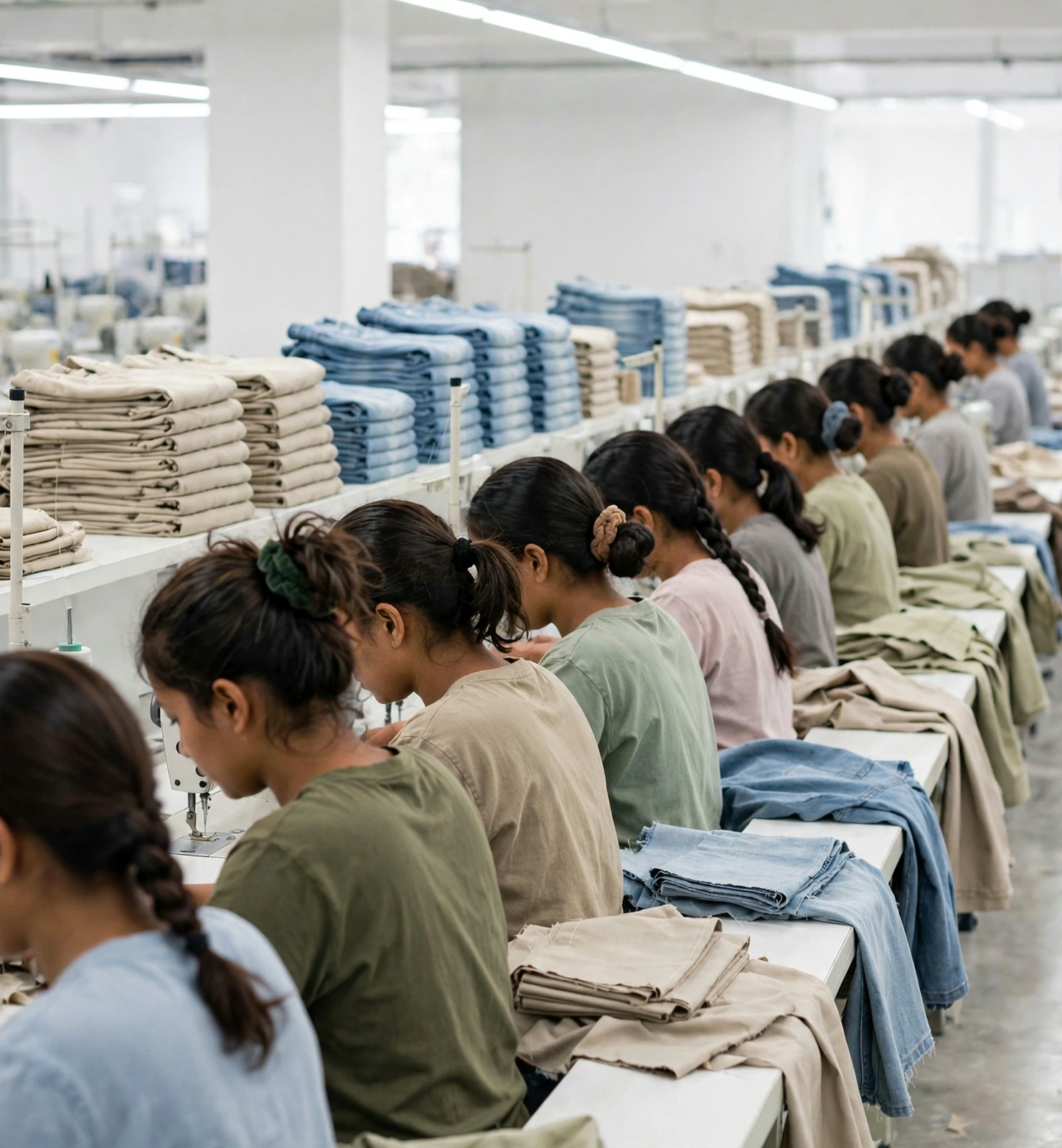
With fabric in store and the sample approved, the order enters the line: cutting, sewing, finishing, pressing. This stage is scheduled against the factory’s real capacity, and its length is driven by the quantity, the style’s complexity and the number of operations in the garment. A basic tee and a multi-panel washed jacket simply do not occupy a line for the same time.
Your merchandiser follows the order through our production floor daily and reports progress against the plan, so a drift at this stage is visible while it can still be corrected – extra hours, a parallel line, a resequenced operation – rather than discovered at the end.
5. Inspection, Packing and Export Documentation
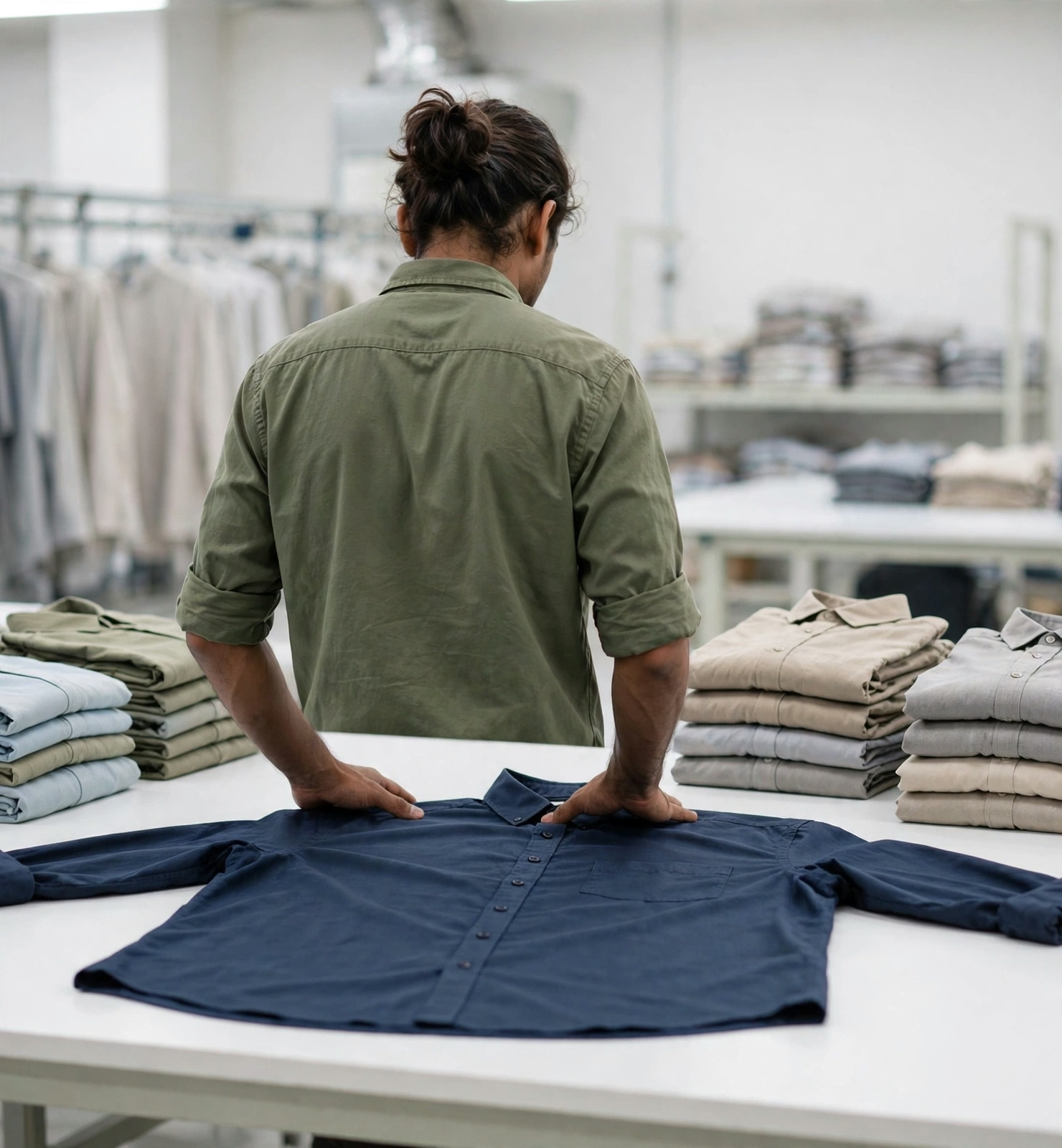
The final stage is shorter but not instant: final inspection against the approved sample and your requirements, packing to your specification, carton marking, and the export document set – invoice, packing list, certificates and booking – that our delivery and shipment desk prepares. Goods that are sewn but not documented do not sail, so this stage is planned into the date from the start, not bolted on.
Where your market requires testing or third-party inspection, that appointment is booked inside the plan as well, with time allowed for the report. Nothing in this stage is complicated; it is simply a set of steps that each take their turn, and a date that ignores them is a date that slips at the last moment.
6. Faster and Slower Orders: What Moves Your Date
The pattern across orders is consistent. Repeat styles on ready fabric are the fastest orders we make: the sample exists, the fabric route is known, the line has sewn the style before. New styles with stock fabric follow. New styles needing dyed fabric take longer, and styles needing developed fabric, washes or heavy embellishment sit at the long end – not through inefficiency, but because real processes are stacked inside them.
Whatever the shape of your order, the date you receive at confirmation is the date the plan is managed to, with stage updates as it moves. If a genuine problem arises – a dye lot rejected, a trim delayed – you hear it when it happens, with the revised plan attached, not at the shipment deadline. Honest dates, honestly tracked: that is the whole system.
One practical word on buffers: a sensible plan carries a little room inside it, because garments are made by people and machines in the real world. We build that room into the stages where the risk actually sits – usually fabric – rather than padding every stage, which would only hide where a delay truly came from.
Planning Your Season Around Production Lead Times for the USA, UK, Germany and Australia
Retail calendars are fixed by seasons, sales events and store drops, and production lead time has to fit inside them. This section is about working backwards from the date your goods must land.
Working Backwards from Your Delivery Date
Start from the date the goods must be in your warehouse and walk backwards: the sea or air transit from Bangladesh, customs and delivery at your end, then our export, production, fabric and sampling stages in Dhaka.
Buyers in Spain, Denmark, South Korea and the United Arab Emirates run this exercise with us at the start of each season, and it regularly changes the plan – an earlier fabric decision, a style split across two shipments, a colour moved to the following drop. The right time to discover a tight calendar is at the planning table, not at the booking desk.
What Buyers Can Do to Protect the Date
Three habits protect more dates than any factory effort: approving samples in one complete round, deciding fabric early (it is the longest stage and the one least compressible), and freezing the specification once production starts. A change of colour, wash or trim mid-order does not add a small delay; it restarts the stage it touches. None of this asks buyers to be less creative – only to spend the creativity before the clock starts, where it is free.
Your merchandiser can tell you honestly which of the three is putting a given season at risk. The answer is usually the fabric decision, and it is usually fixable when it is faced early.
Honest Dates Over Hopeful Dates
A date promised to win an order and missed anyway is worse than a longer date that is kept: your stores, your marketing and your customers are all planned around it. We would rather confirm the date the stages genuinely support – and then, as happens often, deliver inside it – than quote the shortest number in the conversation. Buyers who plan seasons with us year after year tell us the kept dates are the reason.
Through the order you receive stage updates from your merchandiser as each link in the chain completes: sample approved, fabric in store, cutting started, sewing under way, inspection booked. You always know which stage your goods are in and what remains ahead of them – the calendar stays visible, not a matter of faith.