
Screen Printing Services in Bangladesh
Screen printing is the decoration method behind most printed clothing in the world: ink pushed through a prepared screen, colour by colour, directly onto the garment. It earns that position on durability, colour strength and cost at volume - a well-made screen print outlasts the trend it was printed for. This page covers the screen print services we run at Siatex Bangladesh.
A print is only ever as good as its preparation: artwork separated properly, screens made to the right mesh, inks matched and mixed to standard, and a strike-off approved on the real garment before bulk begins. Our print floor works inside the same order file as your garments, so the decoration is planned with the clothing rather than sent out as an afterthought.
We print for private label brands, importers and retail buyers in the USA, the UK, Germany, Canada and Australia, and for labels selling into the Netherlands, Sweden, Japan and Saudi Arabia. Send your artwork with your inquiry and sampling returns it as a printed garment you can wash, stretch and judge in the hand.
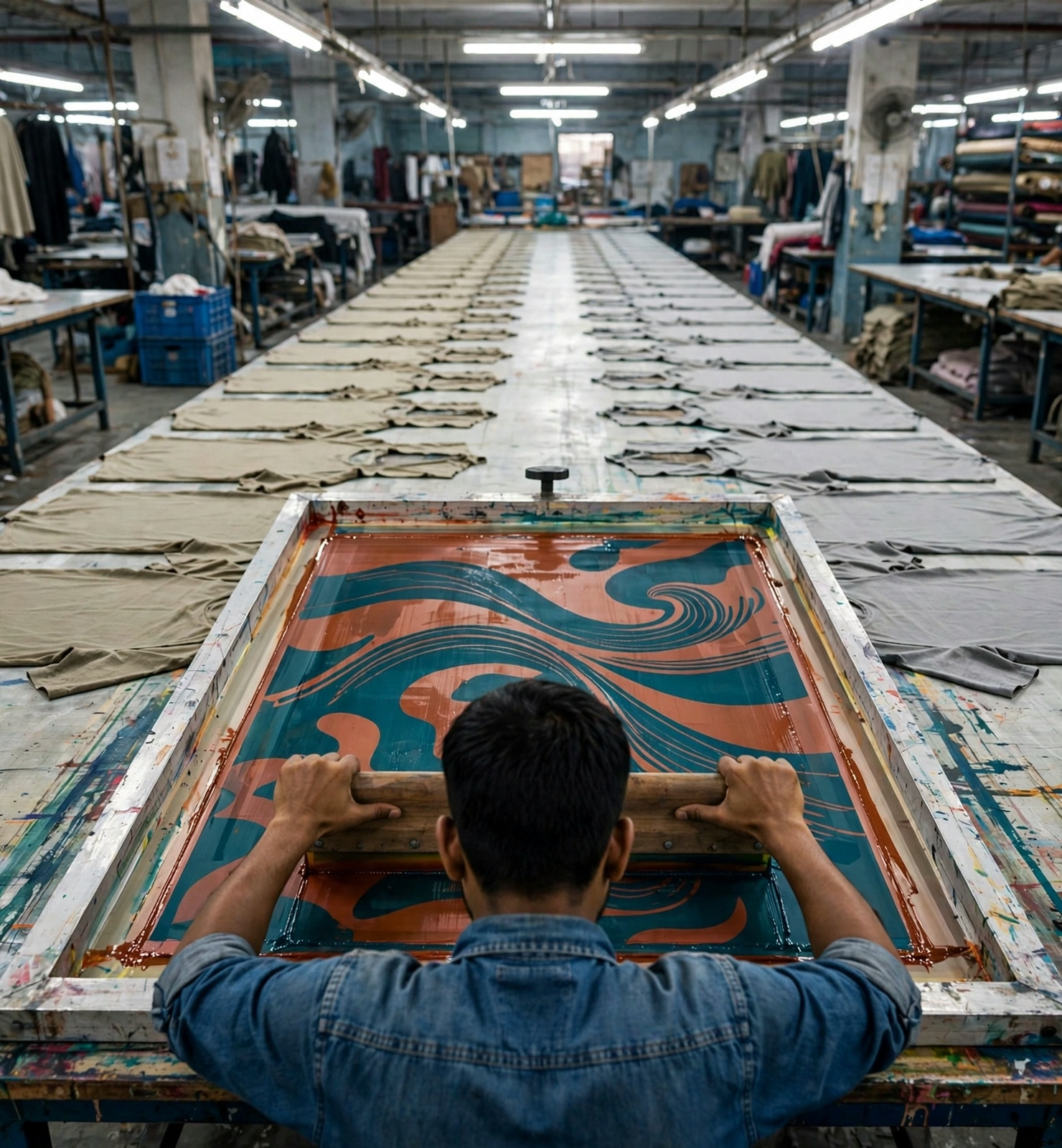
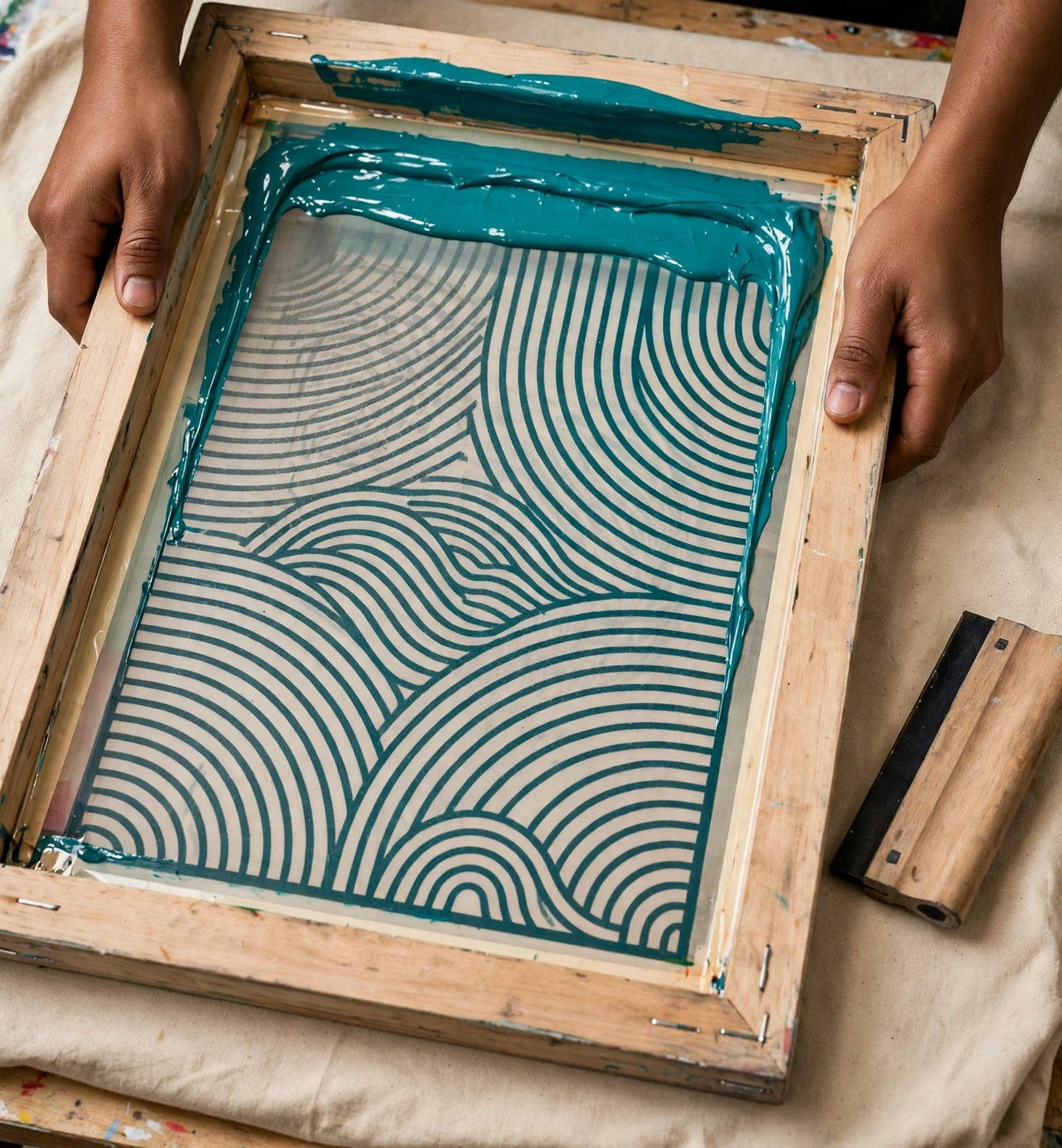
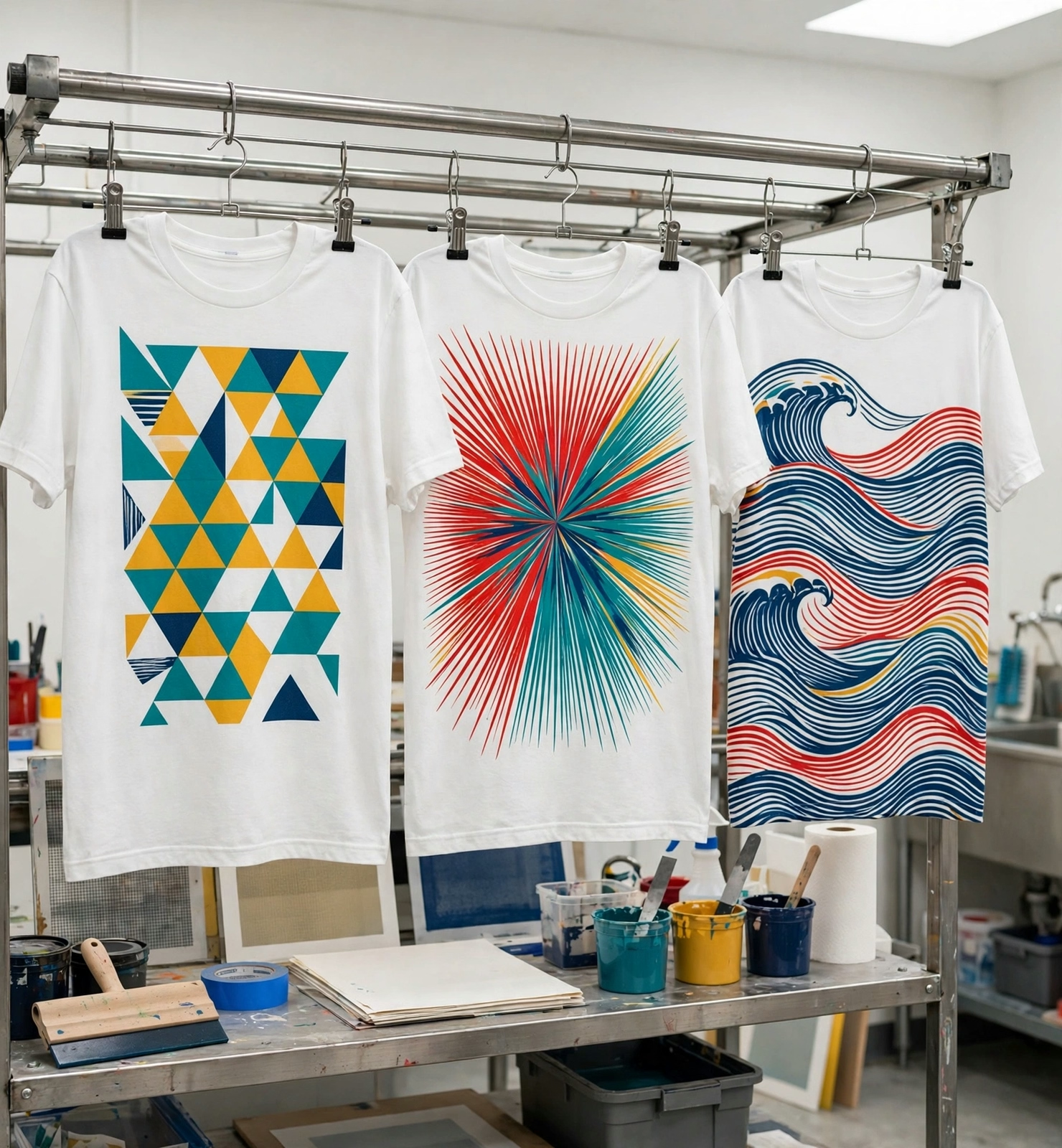
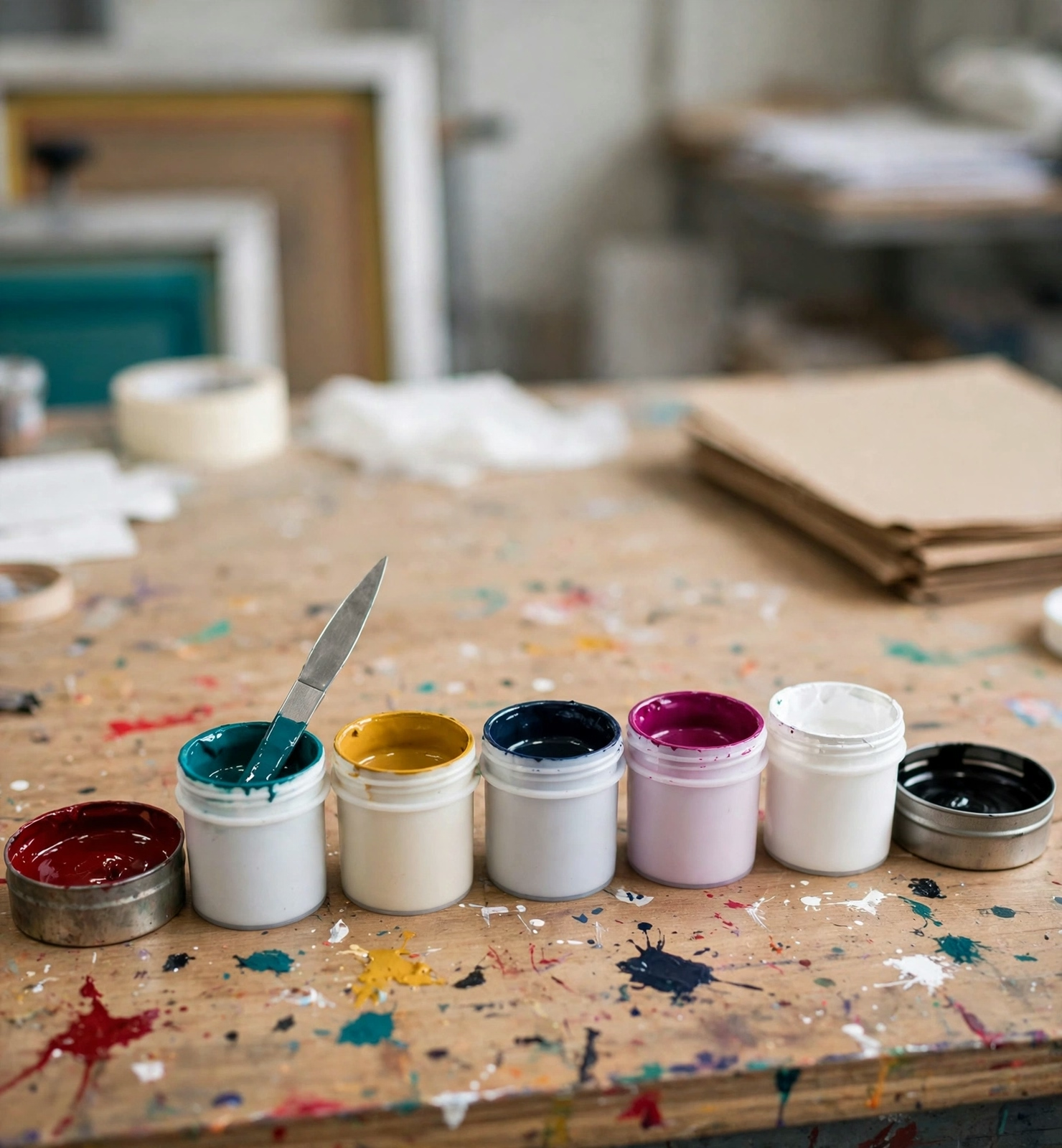
Screen Printing and Garment Decoration for Private Label Brands
The sections below cover the core techniques, the specialty effects, how artwork becomes screens, and how print quality is held from the approved strike-off to the final bulk piece.
1. Core Screen Printing Techniques: Spot Colour, Water-Based and Discharge
Spot colour printing is the foundation: each colour in the design gets its own screen and its own ink, laid down in sequence. It delivers bold, opaque, exact colour – the right tool for logos, graphics and lettering-style artwork on almost any garment colour, and the technique most bulk programmes are built on.
Water-based printing soaks the ink into the fabric instead of sitting on it, giving a soft hand feel that suits fashion garments and light fabrics. Discharge printing removes the garment’s dye and replaces it with the design colour, producing a print with almost no feel at all on suitable dark cottons. Where a design carries photographic detail or very short runs, our printing services team will say honestly when a digital route serves it better than screens.
2. Specialty Effects: Puff, High-Density, Foil, Flock and Metallic
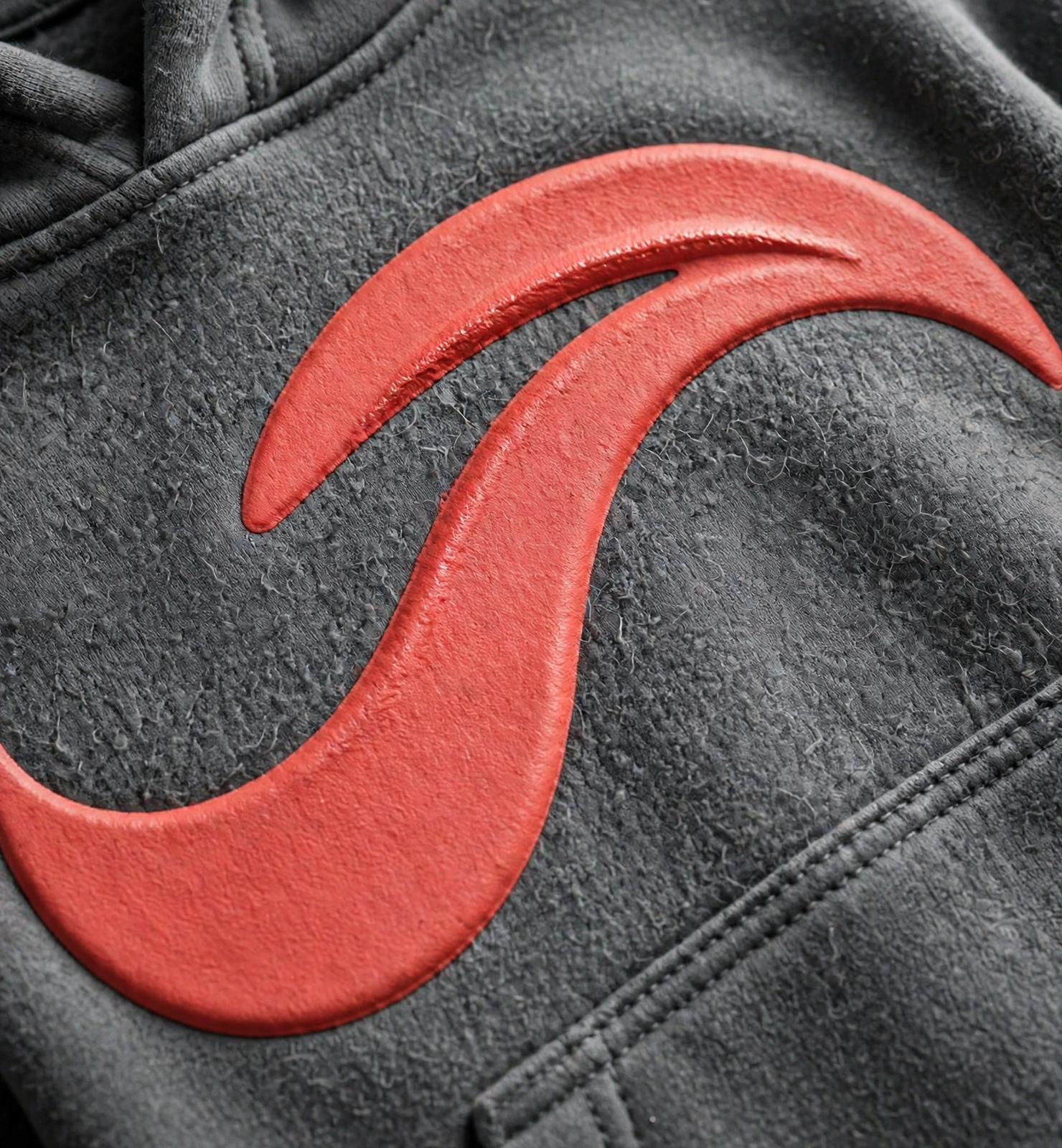
Beyond flat colour sits a shelf of specialty effects. Puff ink rises under heat for a rounded, three-dimensional print. High-density printing builds a sharp, raised profile with crisp edges. Foil and metallic inks give light-catching finishes for fashion graphics, while flock lays down a velvet-textured surface. Glow-in-the-dark and burnout effects complete the usual set for novelty and fashion programmes.
Each effect has its own behaviour – its own wash limits, fabric preferences and hand feel – so effects are never sold off a chart. The sampling stage prints the effect on your garment, washes it, and shows you what survives, so the choice is made on evidence. An effect that looks strong on a swatch and cracks on a stretch knit is a sampling discovery, not a bulk surprise.
3. Artwork, Screens and Colour Matching
Screen printing begins at the artwork desk: your design is separated into its colours, each colour becoming a screen whose mesh count is chosen for the ink and the detail it carries. Fine lines and halftones ask for finer mesh and tighter registration; bold solids are more forgiving. Getting the separation right is what keeps a six-colour design looking like one design rather than six neighbours.
Colours are matched to your reference – a standard shade system, a fabric swatch or an approved earlier print – and ink recipes are mixed and recorded by weight so the colour can be repeated. Print size and placement are written into the specification as measurements from fixed garment points, and the first printed piece is checked against them before the run proceeds.
4. Matching the Print Method to the Fabric
Fabric decides what a print can do. Cotton takes almost every technique kindly. Polyester and blends can bleed dye into light inks under curing heat, which proper blockers and cure control exist to prevent. Stretch knits need inks that flex without cracking; fleece and textured surfaces swallow fine detail and reward bolder artwork. Dark garments need either opaque ink systems or a discharge approach, depending on the feel you want.
This is why method selection happens with the garment, not after it: the same artwork can be a success on a heavyweight tee and a failure on a slub jersey, and our job at sampling is to find that out on one garment. Buyers bringing an existing design from another fabric should expect the conversation – it protects the programme.
5. Print Sampling and Approval Before Bulk
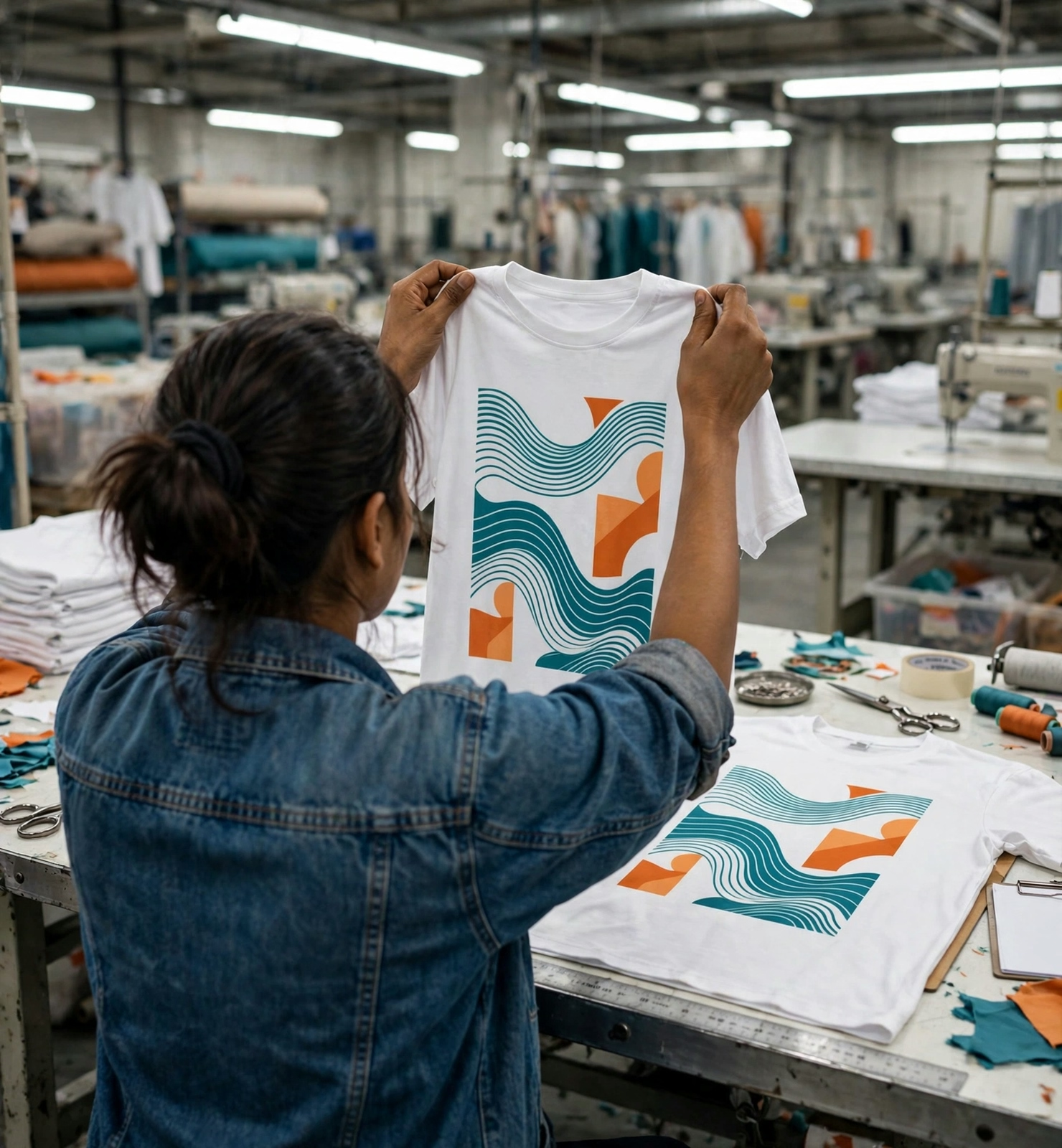
No print goes to bulk unapproved. The strike-off is printed at final size, in final inks, on the actual garment or its fabric, then washed and checked for colour, feel, registration and durability. You judge it as your customer will meet it – in the hand, not on a screen – and comments come back for a revised strike-off where needed.
Print approval usually rides with the garment’s own sampling round through our sample development process, so garment, print and trims are approved together as one product. A programme running many styles anchors them all to the same approved strike-off per design, which is how the print on a tee and the print on a hoodie in one range stay visibly the same print.
6. Print Quality Checks: Accuracy, Wash and Consistency
Bulk printing is checked against the approved strike-off through the run, not only at its end. The checks that matter are the ones our quality assurance team records: print accuracy against the artwork, colour consistency between the first and last pieces, placement precision against the specification, registration between colours, and overall appearance under standard light.
Wash durability is proven at sampling and spot-checked in bulk, because a print that fades or cracks in early washes is a returns problem wearing a decoration’s clothes. Pieces that fail any check are pulled at the table. Under a full package production programme the whole chain – artwork, screens, approved strike-off and checked bulk – sits in one file under one merchandiser, and a design change mid-programme runs through a fresh strike-off just as it would for our embroidery services.
Screen Printing for Clothing Brands in the USA, UK, Germany and Australia
Three questions shape most print programmes: which decoration method suits the design, what sustainable options genuinely exist, and how the print stays identical across reorders. This section answers them plainly.
Screen Print, Embroidery or Digital: Choosing Honestly
Screen printing wins for bold colour, large runs and prints that must survive hard washing at a sensible cost per piece. Embroidery wins where the mark must feel permanent and premium. Digital printing wins for photographic detail and very short runs where screen-making cannot pay for itself.
Many ranges mix methods across styles, and buyers in the Netherlands, Sweden, Japan and Saudi Arabia regularly build programmes that way. Our advice at sampling follows your design, fabric and quantities – in that order – rather than the machines we happen to own. Where the honest answer is a method mix, the sampling round prices and prints each route so the comparison sits in front of you as garments, not as opinions. That garment-level comparison is the cheapest decision tool in the whole decoration process.
Sustainable Printing, Stated Honestly
The genuine gains in print sustainability are specific: water-based ink systems in place of plastisol where the design allows, careful ink mixing so less is wasted, screens reclaimed and reused, and wash water handled responsibly. Each is available inside normal programmes, and each is quoted for what it actually is.
Where a buyer needs a named standard or certification behind an ink system, the maker’s own documentation is produced for checking – the claim travels with its evidence or it does not travel at all. The same honesty applies to garment-level claims: a water-based print on a conventionally grown cotton tee is a better print, not a sustainable garment, and we will describe it as exactly that.
Consistency Across Repeat Orders
A print repeated next season must land on the same colour, size and placement as the original. The anchors are the approved strike-off kept on file, the ink recipes recorded by weight, the screens’ mesh and separation details stored with the artwork, and placement measurements written into the specification. A reorder then starts from evidence rather than memory, and a new style in the range inherits the same print discipline automatically – the graphic your customers recognise stays the graphic they recognise, season after season, wash after wash.