
Social Responsibility – Ethical Clothing Manufacturing in Bangladesh
Social responsibility at Siatex is not a certificate on a wall; it is the set of rules that decides which factories sew for our buyers, how the people in those factories are treated, and what the production of a garment costs the environment around it. This page sets those rules out plainly, so a buyer can judge us - and audit us - against them.
Our position in the chain gives this page its shape. Because programmes run through our Dhaka base and selected partner factories, responsibility here is mainly a discipline of selection and management: choosing partners whose standards hold up, checking them as programmes run, and dropping partners whose standards slip. The garments sell into the USA, the UK, Germany, Canada and Australia, and into the Netherlands, Spain, Denmark and South Korea - markets whose own rules reinforce the same direction.
Six sections follow: the commitment, factory selection, the standards that govern the chain, workplace safety and rights, environmental practice, and how responsibility is shared with buyers and partners rather than claimed alone.
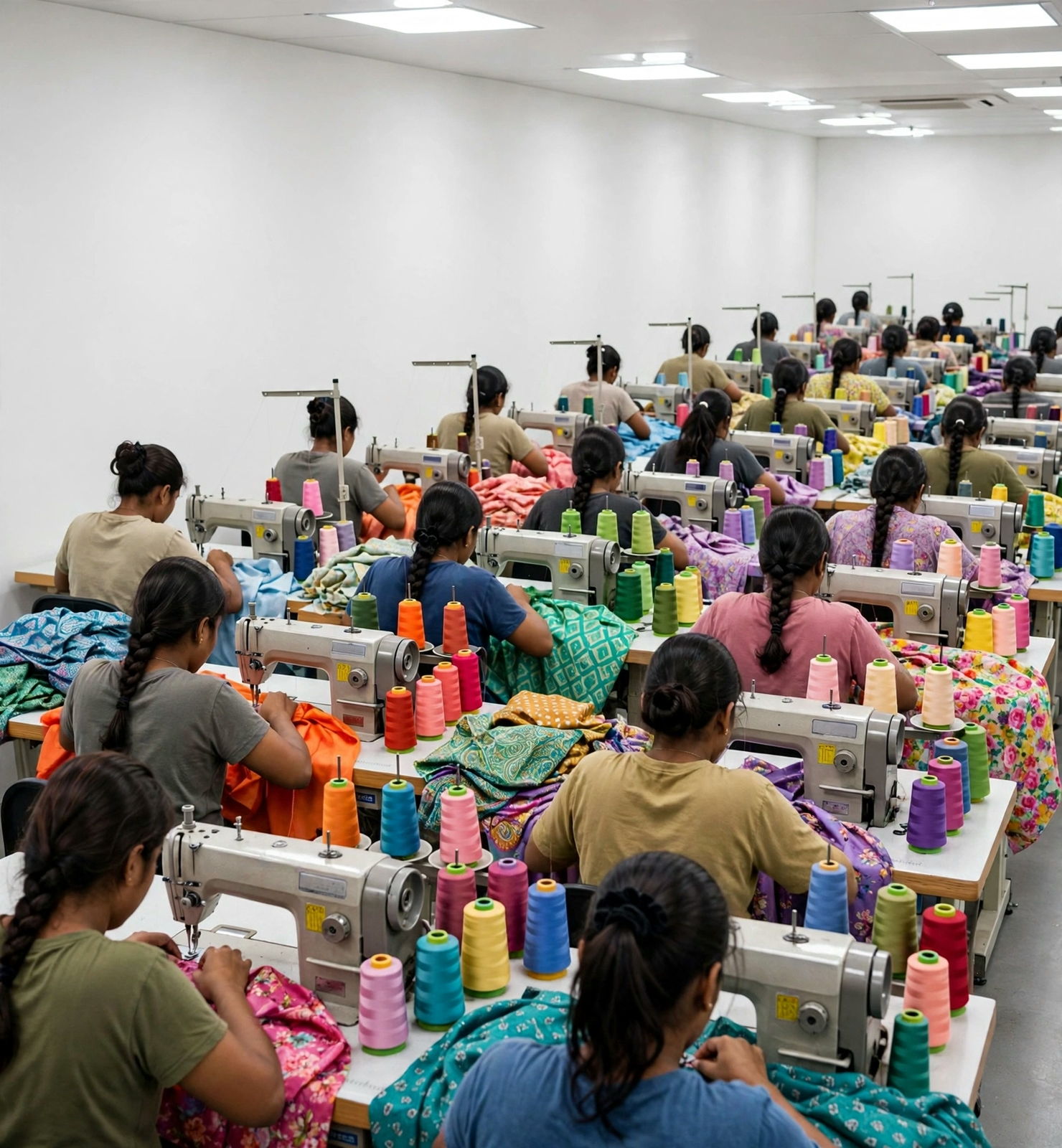
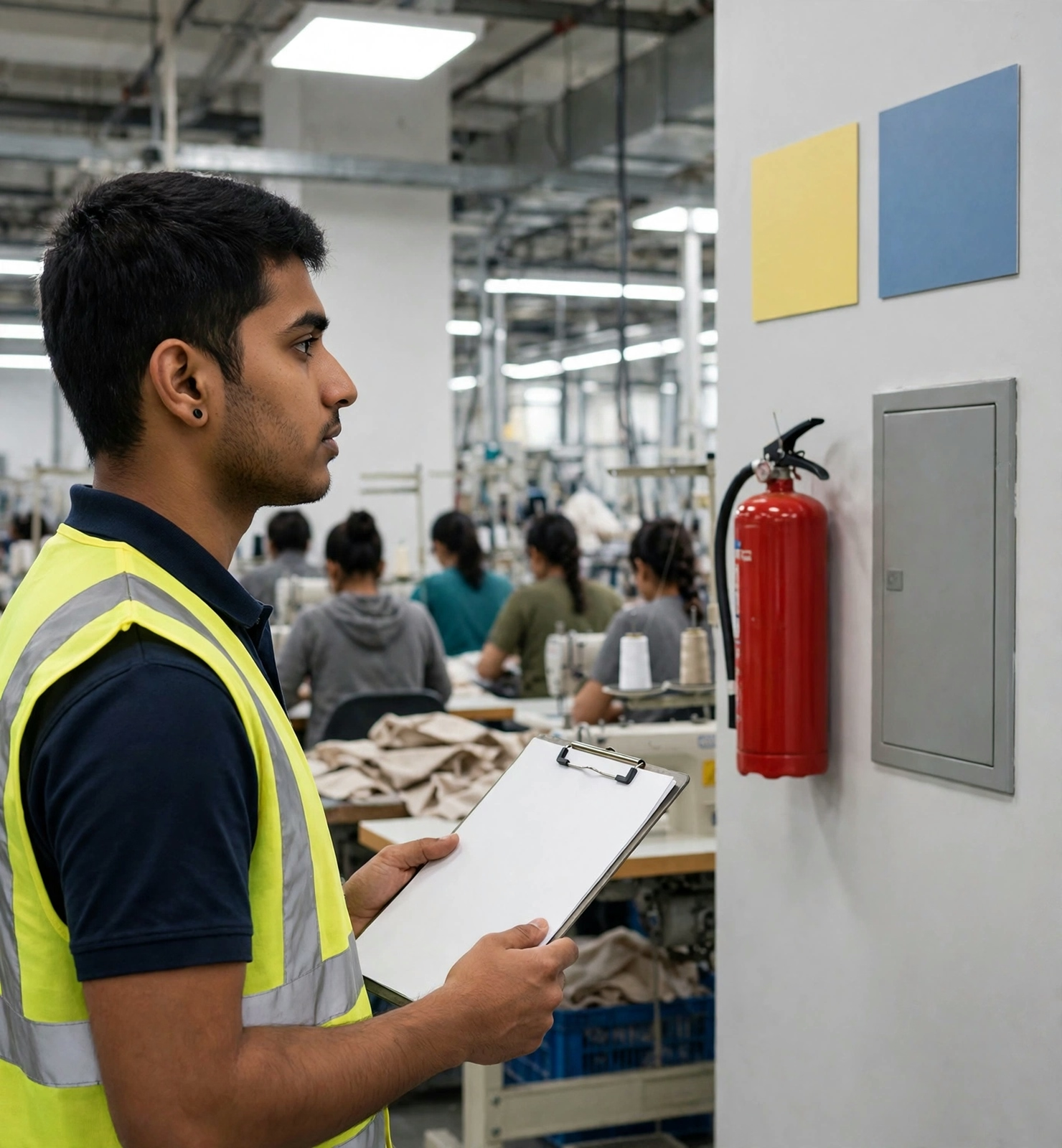
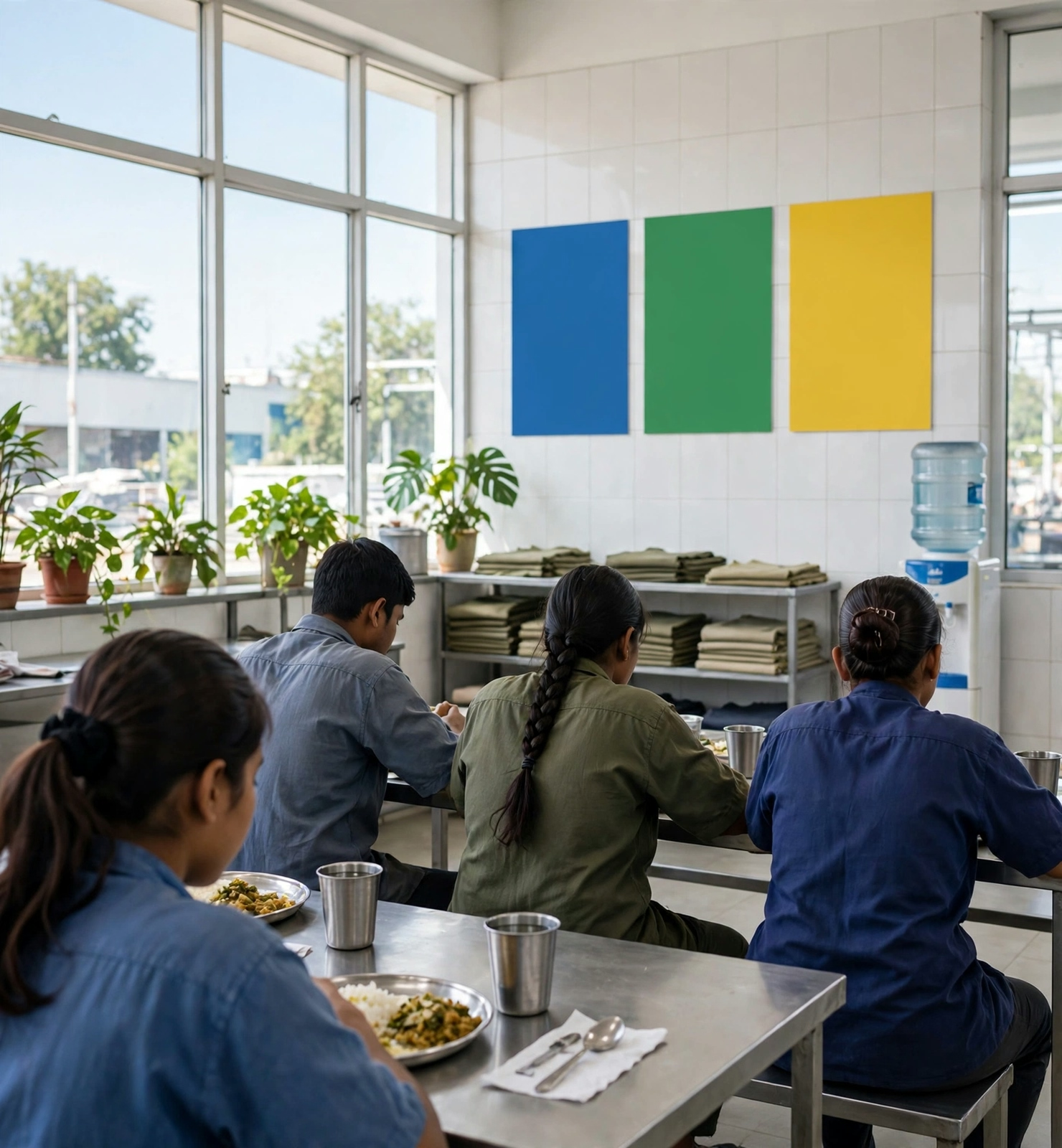
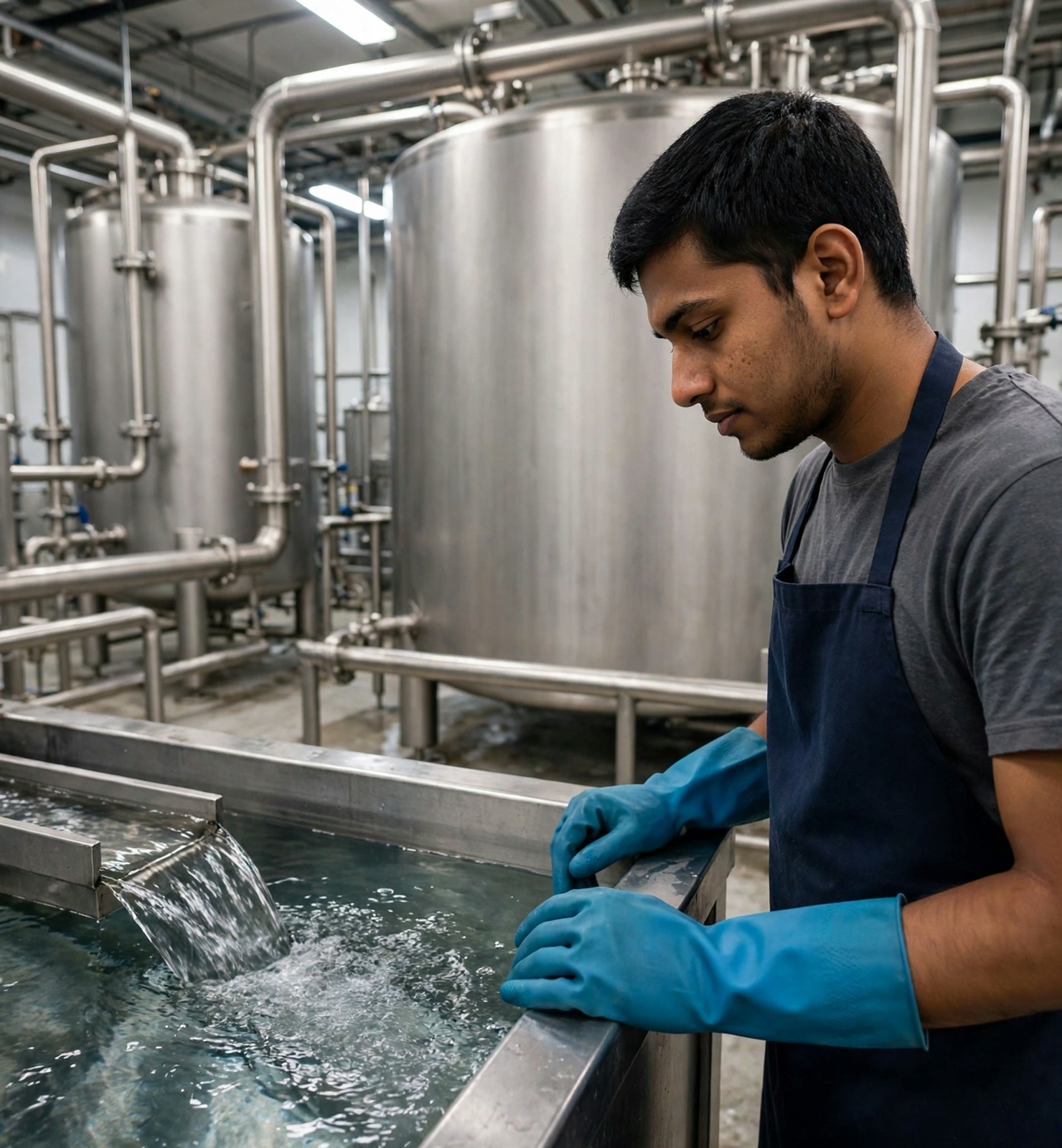
Ethical and Responsible Clothing Manufacturing in Bangladesh
Everything below is qualitative on purpose. Responsibility that can be audited is described; numbers we cannot stand behind are not printed.
1. Our Commitment in One Place
The commitments are seven, and they bind every programme regardless of size: fair and ethical business practices in every transaction; safe and healthy working conditions on every floor that sews for us; respect for workers’ rights as a condition of partnership; compliance with Bangladesh labour law and the destination market’s rules; responsible environmental practice in dyeing, washing and finishing; product safety treated as part of social duty, not just quality; and continuous improvement across the chain, reviewed rather than assumed.
These are not aspirations pinned above a desk. They appear in the documents that run the business – partner selection criteria, order files, inspection checklists – and a buyer is entitled to ask how any one of them is enforced on their programme. The sections below answer that question commitment by commitment.
Two audiences read this page, and it is written for both: the buyer deciding whether our chain can carry their brand’s promises, and the partner deciding whether our chain is worth joining. The rules do not change between the two readings.
2. Responsible Factory Selection
The strongest responsibility decision is made before an order exists: which factories are allowed into the chain. Selection weighs social compliance performance and workplace health and safety alongside quality systems, environmental practice, technical capability and production reliability – and customer-specific requirements are added wherever a buyer’s own code is stricter than the baseline. A factory that sews beautifully and fails on safety does not sew for Siatex.
Selection is not a one-time gate. Partner standing is reviewed as programmes run, through the same record-keeping described on our trading partners page: audit results, corrective actions closed or missed, and the day-to-day evidence of our own teams stationed on quality. Partners who improve grow; partners who stall lose volume; partners who falsify do not return.
3. The Standards That Govern the Chain
The chain is governed by the recognised frameworks of the trade. Social compliance is assessed against the amfori BSCI code and WRAP principles; quality management follows ISO 9001 discipline; product safety runs to OEKO-TEX Standard 100 thinking on harmful substances, the EU’s REACH rules for the European market, and CPSIA requirements for children’s products entering the USA. Buyer-specific programmes sit on top wherever a label’s own standards go further.
These frameworks matter because they are auditable by third parties rather than flattering by self-description. Our quality assurance system produces the records – inspection reports, test results, corrective actions – that let a buyer’s compliance team verify the chain on paper before they ever visit it, and the standards above are the yardsticks those records are kept against.
4. Workplace Safety and People’s Rights
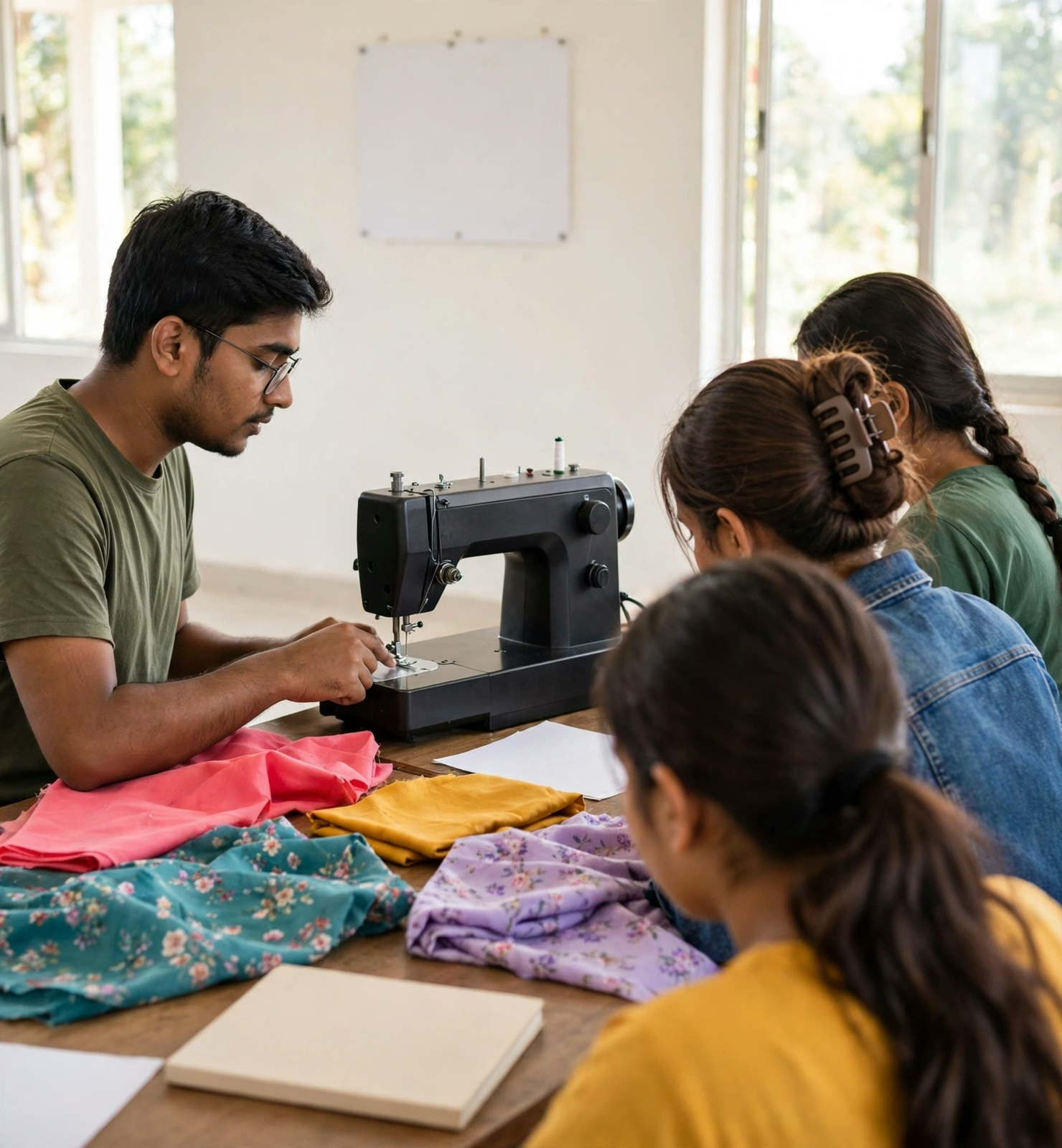
The people who sew our buyers’ garments are owed a safe building, a fair wage paid on time, hours within the law, and treatment free of discrimination and coercion. Child labour and forced labour have no place anywhere in the chain, at any tier, under any deadline. These are the internationally recognised principles the industry works to, and they are selection conditions here, not sentiments.
Safety is physical before it is procedural: building and fire safety, machine guarding, ventilation and light, clean water and rest facilities – the things our own people notice on every floor visit, because they work on those floors weekly. Where a partner falls short, the corrective path is set with dates and verified; where the shortfall is wilful, the partnership ends. A delivery date has never once justified a locked exit, and it never will.
5. Environmental Responsibility
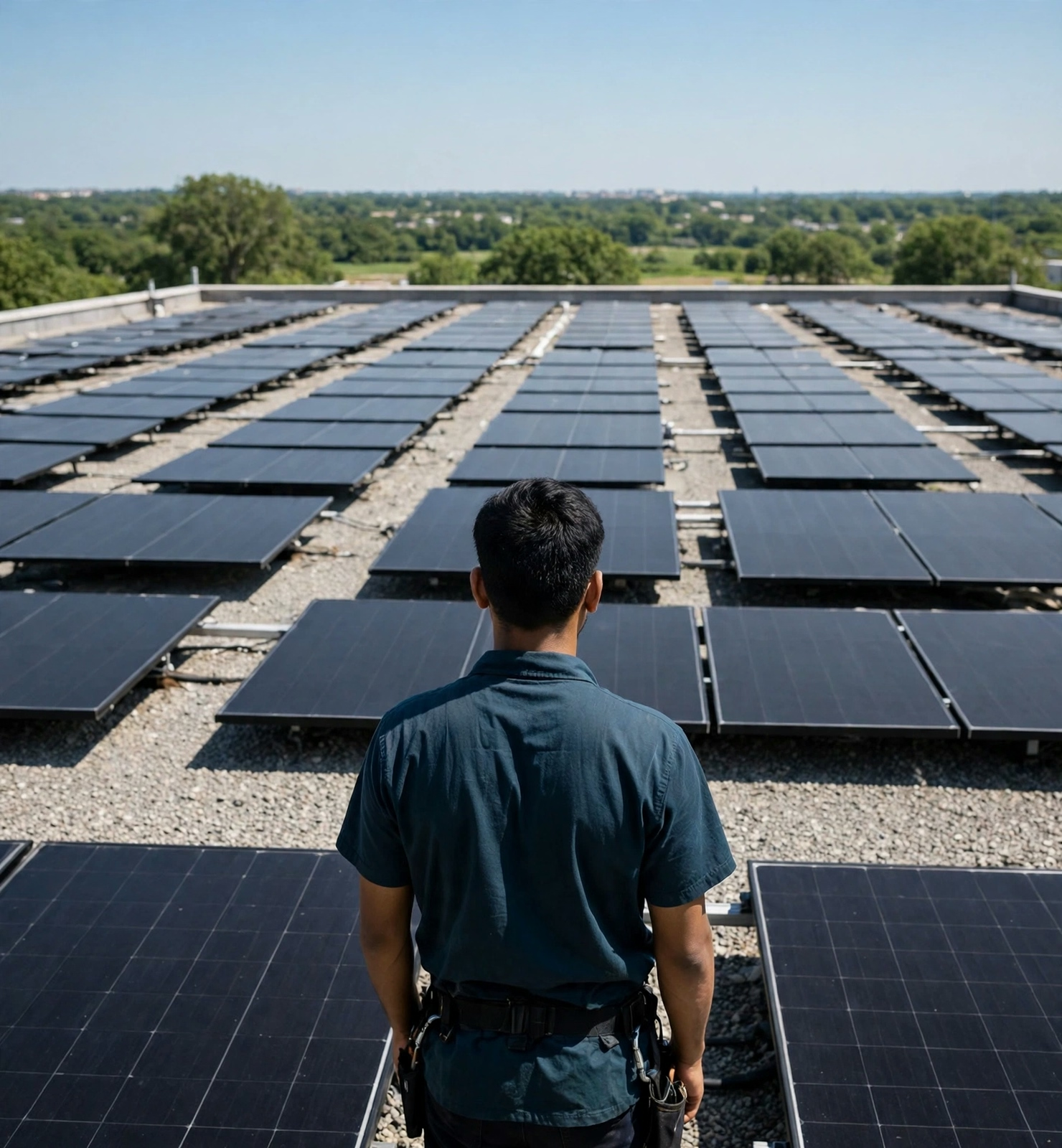
Garment production touches water, energy and chemistry, and the responsibility is to shrink that footprint where the process allows: efficient dyeing and washing that use less water per garment, chemical handling that follows the product-safety rules above rather than merely the cheapest practice, waste segregated and disposed of responsibly, and cutting rooms planned to waste less fabric – the discipline our garment dyeing and wash page describes from the process side.
Buyers can move this further and many do: recycled and organic fibre choices, reduced-plastic packaging, and consolidation of shipments are programme decisions the desk will build into a costing openly, showing the environmental option beside the conventional one. Responsibility shared is responsibility that survives a price negotiation.
6. Building a Responsible Supply Chain Together
No supplier builds a responsible chain alone; it is built with the buyers who specify standards and the partners who meet them. Our part is the middle: translating buyer codes into factory-floor practice, auditing honestly, reporting what we find – including the uncomfortable findings – and improving the chain programme by programme. The about us page describes the desk that carries this work.
If your brand publishes its own responsibility commitments, bring them to the first conversation through our contact us page. We will map them against the chain as it stands – where it already complies, where work is needed, and what that work costs – before the first order is placed. A supply chain described honestly, gaps included, is the only kind a buyer’s own promises can safely rest on.
Social Responsibility for Buyers in the USA, UK, Germany and Australia
Three things buyers usually want beyond the policy itself: how audits and codes are handled, where the honest limits of the chain currently sit, and what it means for the promises their brand makes to its customers.
Audits and Buyer Codes of Conduct
Most established buyers arrive with a code of conduct and an audit rhythm of their own; the chain accommodates both. Factory audits by the buyer’s nominated firm are arranged as programme business; findings come to the desk as well as the factory, corrective actions are tracked in the order file rather than a drawer, and re-audit evidence is assembled by our team, sparing the buyer’s compliance staff from chasing paperwork across time zones.
Where two buyers’ codes differ, the stricter rule governs that buyer’s production – a practical arrangement the desk manages daily for labels selling into the Netherlands, Spain, Denmark and South Korea. Responsibility is not a department here; it is a property of every order.
Where We Are Honest About the Journey
Continuous improvement is one of our commitments because the chain is not perfect, and a page claiming perfection would be the least responsible thing on this site. Older buildings need work; a partner’s subcontracted process can lag its main floor; documentation habits vary. The discipline: our own checking finds these before a buyer’s audit does, puts them into corrective plans, and closes them on dates we report.
Buyers who know Bangladesh recognise this picture; it is the true one everywhere. The difference they pay for is not a flawless chain – it is a chain whose flaws are hunted by its own managers, in the open, with the buyer informed. That is the standard this page accepts being judged against.
What This Means for Your Brand’s Own Promises
Every label selling responsibly made clothing borrows credibility from its supply chain. Ours is built to lend it safely: selection records, inspection and test documentation, audit handling and corrective tracking that a buyer’s team can inspect and stand behind in their own reporting. Your customers’ questions can travel down to evidence, not to a brochure.
That is the real product of this page – not virtue claimed, but proof organised. Bring your code, your audit firm and your hardest questions; the chain described here is the one they will meet, on paper first and on the floor whenever you come and see it.