
Clothing Fabrics and Materials in Bangladesh
Every garment starts as a fabric decision. The same T-shirt pattern becomes three different products in three different cloths, and buyers feel the difference before they can name it - in the hand, in the drape, in how the tenth wash treats it. This page is our fabric library: the knitted and woven fabrics, fibres and finishes we work with at Siatex Bangladesh.
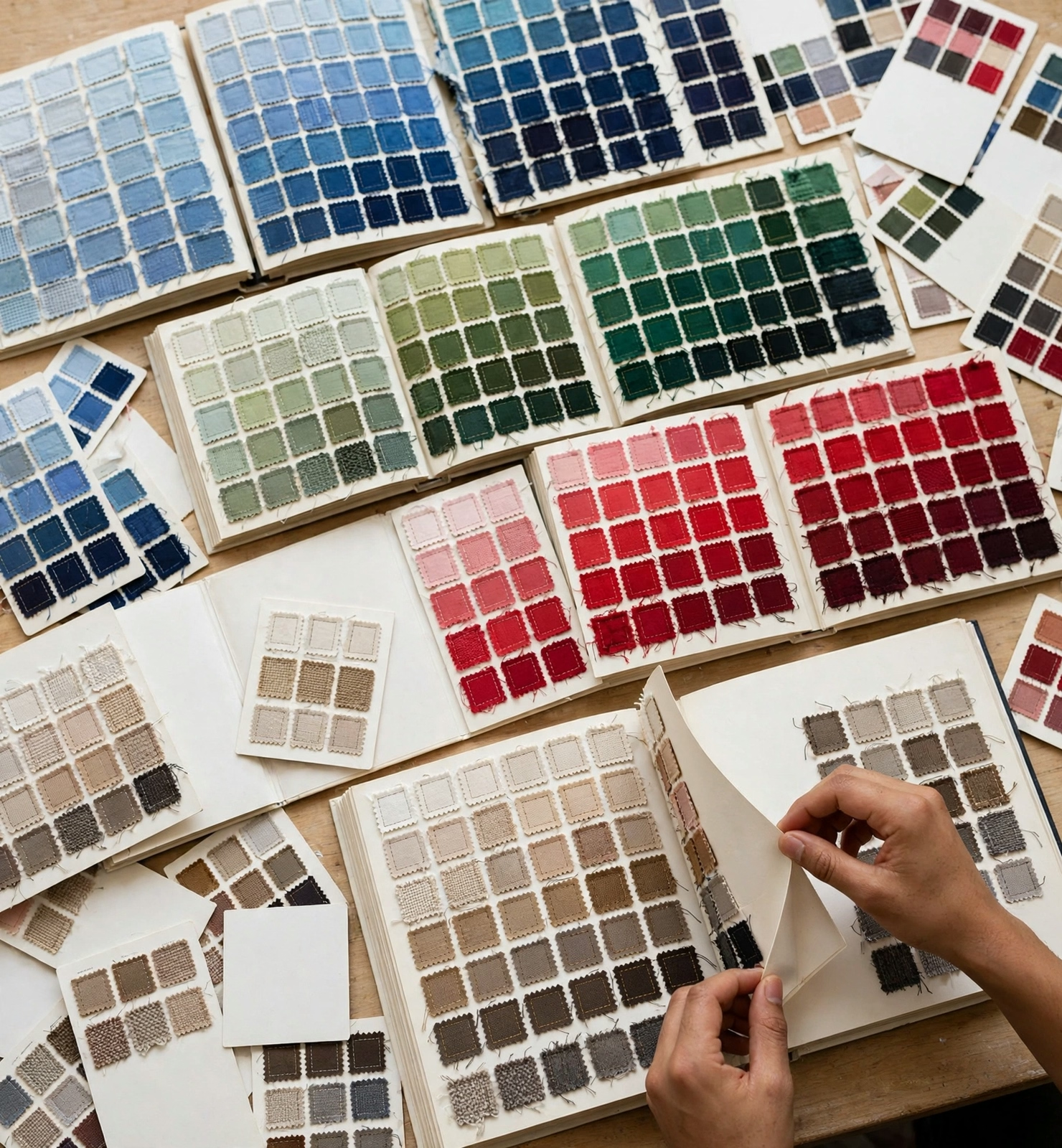
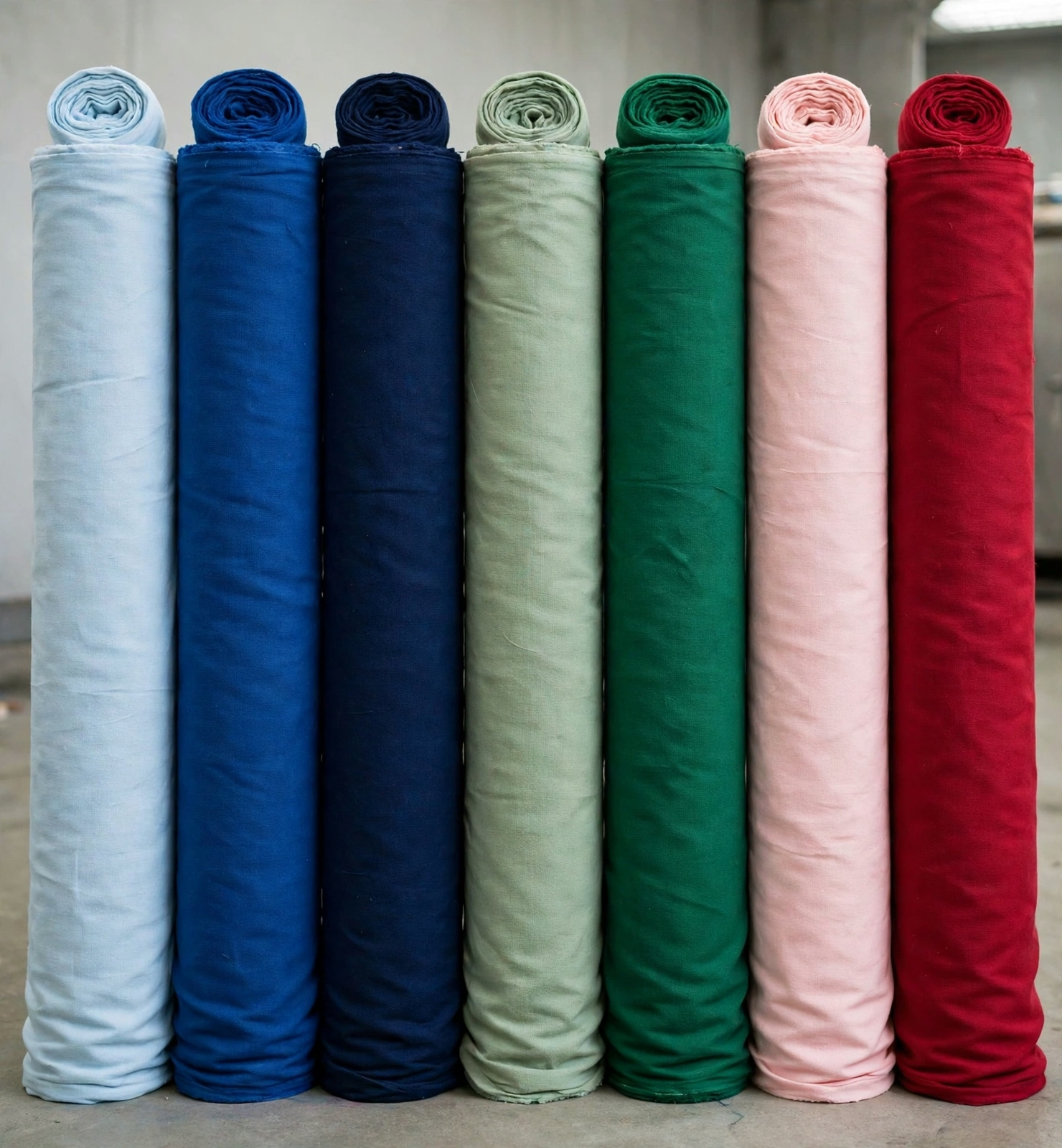
The library is a working one, not a showroom list. Every fabric named here sits inside live sourcing reach - knitted or woven by mills we buy from regularly, dyed and finished to order, and sampled on your garment before bulk. Where your programme needs a cloth outside the library, fabric development starts from your target sample or specification.
We supply fabrics inside finished garments for private label brands, importers and retail buyers in the USA, the UK, Germany, Canada and Australia, and for labels selling into Italy, Denmark, South Korea and the UAE. Bring a fabric name, a swatch or just a hand feel you want matched - the desk works from any of the three.
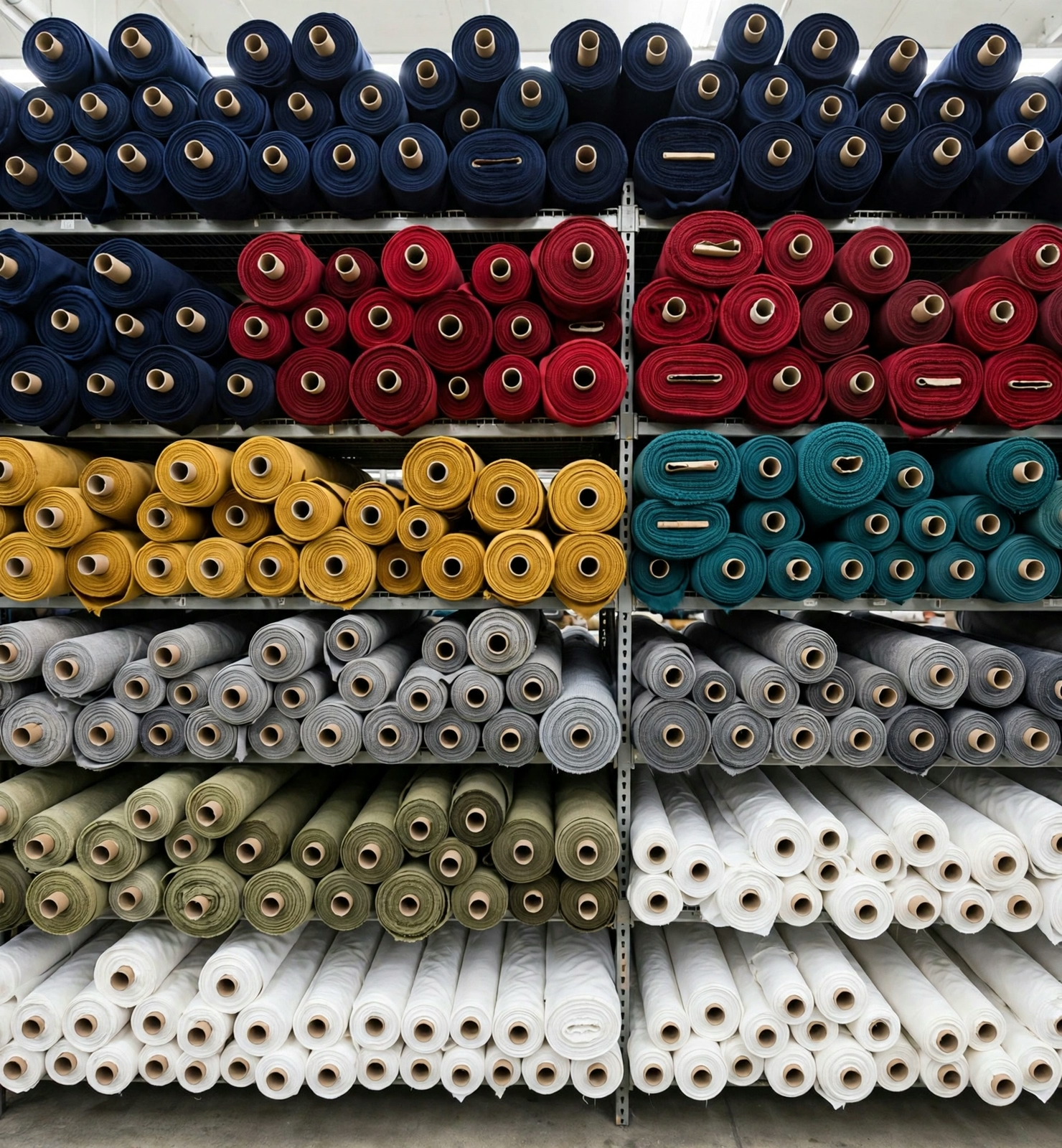
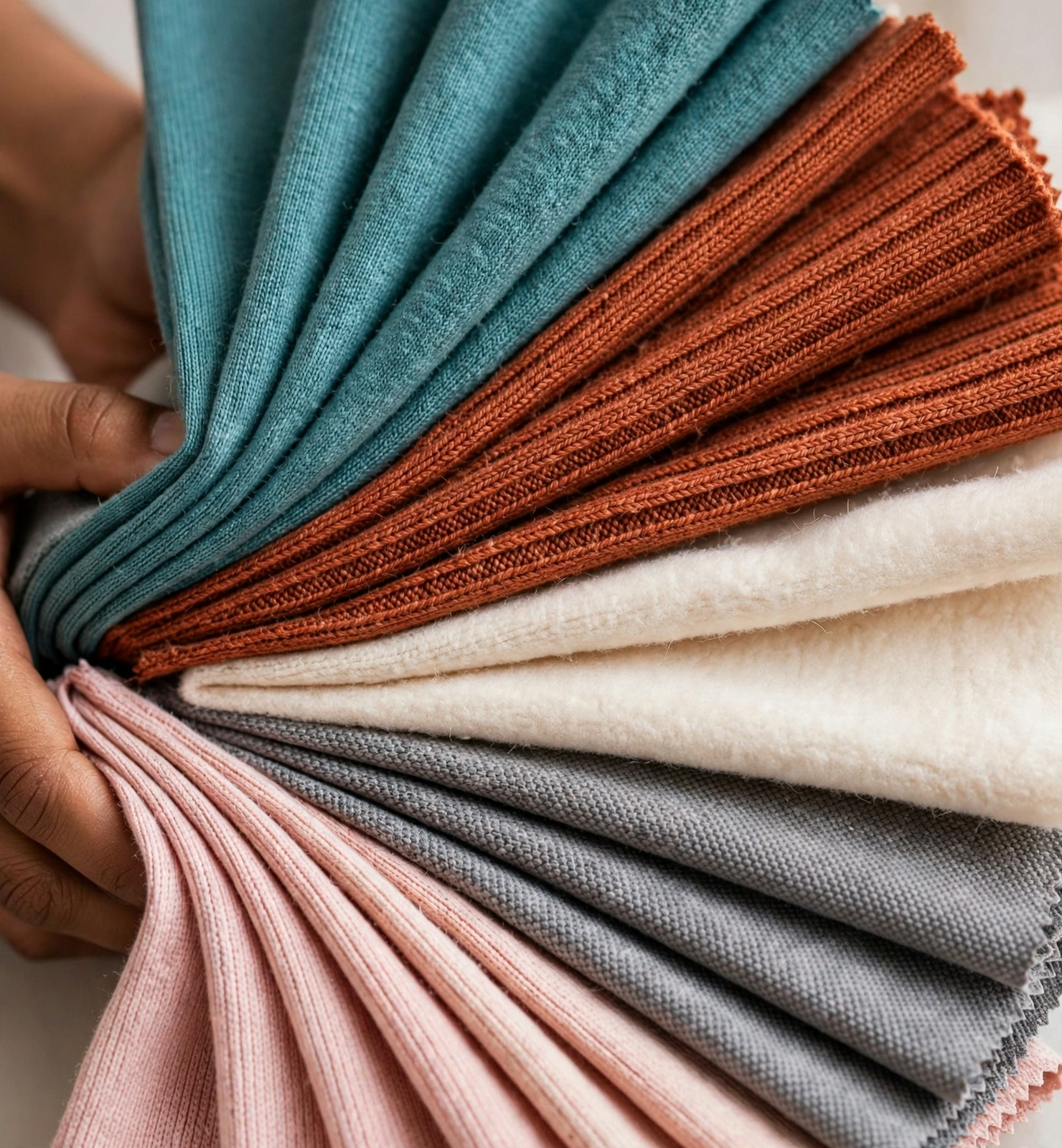
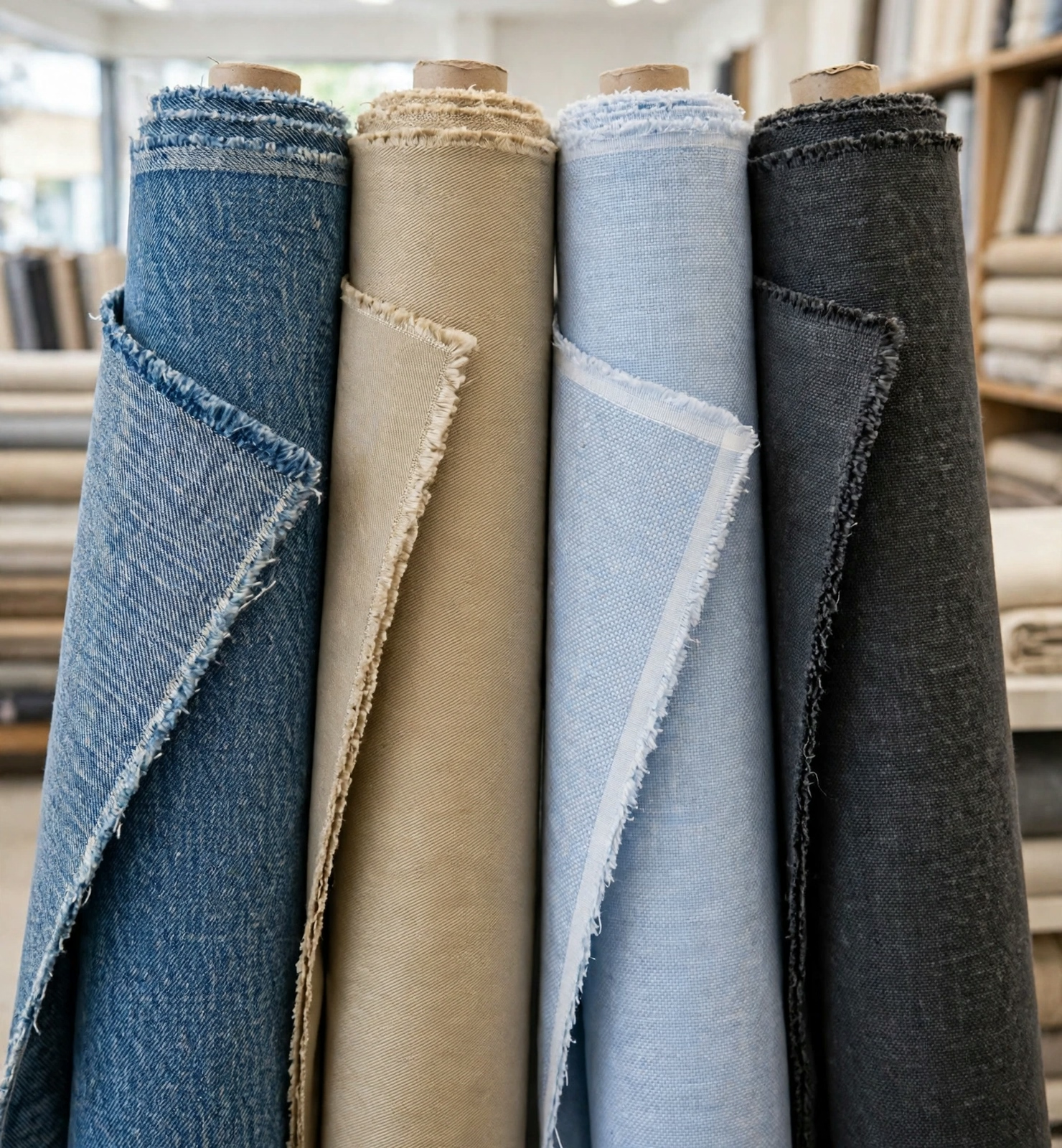
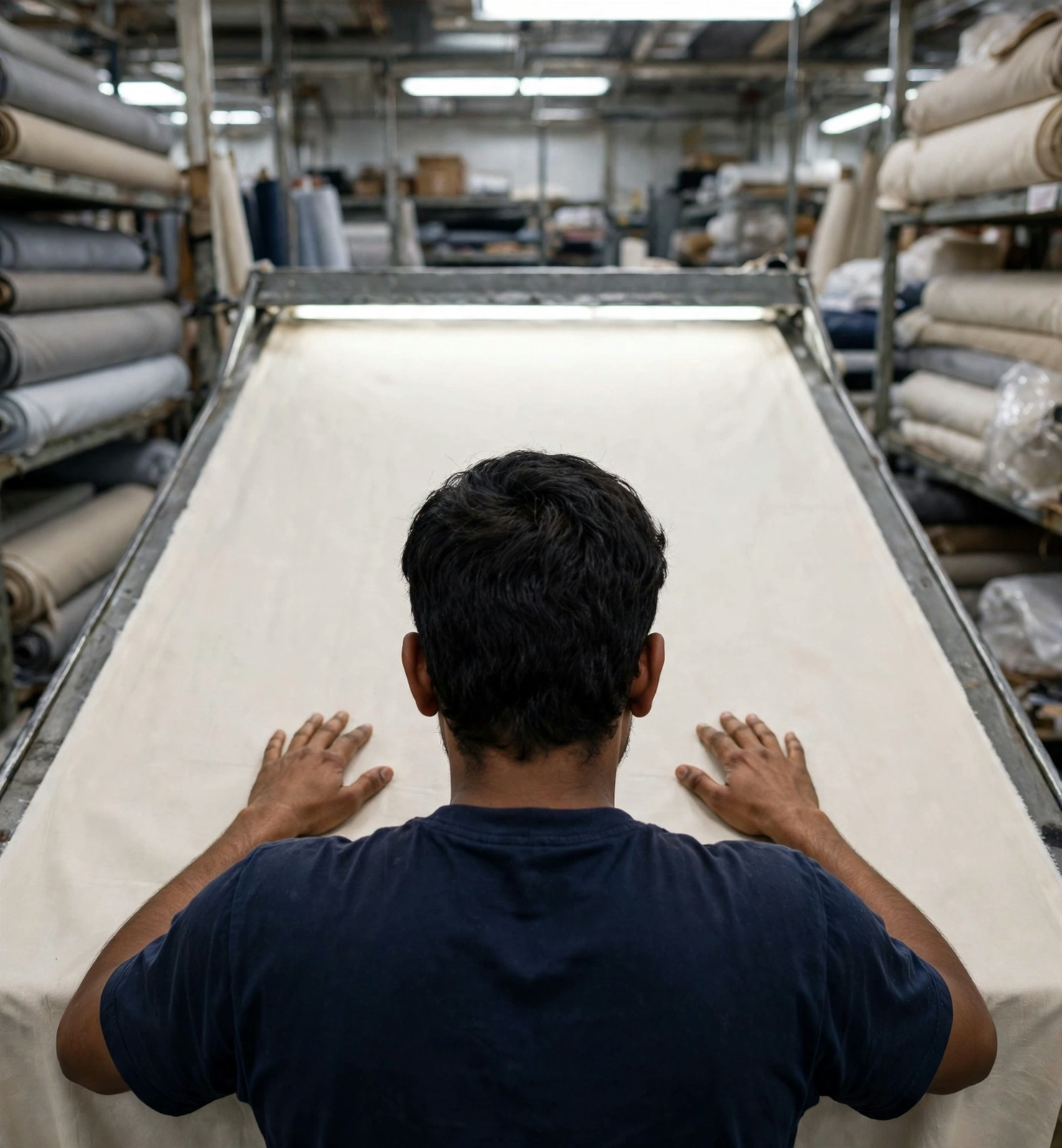
Knit and Woven Fabrics for Private Label Clothing Brands
The sections below walk the library: the knit constructions, the woven range, the fibres behind both, the finishes that change how a cloth behaves, and how a fabric choice is made properly.
1. Knitted Fabrics: Jersey, Interlock, Rib, Fleece and Piqué
Single jersey is the world’s T-shirt fabric: light, breathable, with a smooth face and a natural stretch. Interlock knits both faces smooth and stable, suiting polos and garments that must hold their shape. Rib knit brings the elasticity that cuffs, collars and fitted styles depend on, while slub jersey carries a deliberate uneven yarn texture for fashion basics.
The warm and textured knits complete the range: fleece with its brushed back for hoodies and sweatshirts, French terry with its looped back for lighter layers, piqué with its waffle-like surface for polo shirts, waffle knit for thermal and textured styles, open mesh for sportswear, and fine tricot for linings and activewear panels. Each is knitted to order in the weight and composition your style needs.
2. Woven Fabrics: Twill, Denim, Oxford, Canvas and More
Wovens bring structure where knits bring stretch. The workwear and casual core runs through twill and gabardine for trousers and chinos, denim in its many weights for jeans and jackets, canvas for heavy-duty styles, and khaki cloth for uniforms. Shirts live in oxford, chambray, plain cotton and sheeting, with flannel for the cold months and corduroy beside it.
The dressier and lighter end carries satin and taffeta for occasion pieces, viscose weaves that drape like water, slub fabrics with their textured yarn, velour for plush surfaces, ramie blends for a dry natural hand, and functional woven fabrics engineered for outdoor and workwear programmes. If a woven construction exists in garment making, it can be sourced against your sample.
Season shapes the woven choice as much as style does: the same shirting programme runs a breathable plain weave in spring and a brushed flannel in autumn, and a trouser range moves weight between summer and winter drops. The library is organised so those seasonal swings stay inside one sourcing relationship.
3. Fibres: Cotton, Viscose, Modal, Polyester and Blends
Fibre decides what a fabric wants to be. Cotton stays the default for comfort and printability. Viscose and modal bring silk-adjacent drape and softness to fashion styles, while Tencel-type lyocell adds strength and moisture handling to the same family. Bamboo-derived fibres serve buyers building a natural story, honestly described at sampling for what they are.
The synthetics earn their place on performance: polyester for colourfastness, durability and sportswear behaviour; nylon for strength in lightweight shells; elastane in small percentages almost everywhere, turning a rigid cloth into a comfortable one. Most real programmes are blends – cotton-polyester for easy care, cotton-elastane for fit – and the blend ratio is a sampling decision with real consequences for cost, care and feel.
4. Finishes and Performance Treatments
Finishing is where a good cloth becomes the right cloth. The standard routes run on most programmes: enzyme washing for softness and a clean surface, anti-pilling treatment for fabrics that must stay smooth, brushing for warmth and hand feel, mercerisation for lustre and strength in better cottons, calendaring and tumbling for surface and softness control.
Performance finishes layer on top where the product needs them: moisture management and quick-dry treatments for activewear, water repellency for outerwear, wrinkle resistance for travel and uniform styles, anti-microbial and UV-protection finishes for exposed wear, soil release for workwear, and thermal options for cold-weather lines. Every finish is sampled and wash-tested on your fabric – a finish that washes out in five cycles is a claim, not a feature.
5. Fabric Development and Sourcing Support
Fabric work at Siatex runs through our fabric sourcing desk: your target fabric is matched against mill production, lab dips fix the shade under standard light, and handlooms or sample yardage prove the construction before bulk is committed. Our knitting services cover knit development in-house, and colour work continues through garment dyeing and wash where a garment-dyed route serves the design better.
Development also means honest substitution. When a specified cloth is discontinued, over-priced or wrong for the construction, the desk brings alternatives with their differences stated plainly – composition, weight, hand feel, price direction – and samples them on the garment through sample development, so the substitution is judged as clothing, never as a swatch argument.
6. Choosing the Right Fabric for Your Product
The choice follows the product’s life, not its photograph. Start with end use: a promotional tee washed twice and a retail tee washed fifty times are different fabrics wearing the same name. Then the hand and drape the design needs, the weight the season demands, the care routine your customer will actually follow, and the decoration the garment must carry – prints and embroidery each have fabrics they love and fabrics they punish.
Cost sits inside the same conversation, handled honestly: fibre, weight, construction and finish each move the price, and the desk will show you which choices buy visible quality and which only buy specification lines. The proof is always the sampled garment, checked by our quality assurance team for shrinkage, colourfastness and appearance before bulk – the fabric decision is finished only when the garment says so.
Clothing Fabrics for Brands in the USA, UK, Germany and Australia
Three fabric questions come up in most programmes: what sustainable options genuinely exist, how shade and quality stay consistent across reorders, and how fabric is tested before it becomes clothing. This section answers them plainly.
Sustainable Material Options, Stated Honestly
The credible options are specific: organic cotton grown under certified schemes, recycled polyester with its chain of custody, Better Cotton sourced through its mass-balance system, and cellulosic fibres from managed sources. Each is available inside normal programmes, and each is sampled with its documentation – the certificate belongs to the fibre producer or the mill, and we show it rather than summarising it. Labels selling into Italy, Denmark, South Korea and the UAE run the same evidence rule through their importers.
The honest limits matter as much: a recycled fibre in a short-life garment is not automatically the greener choice, and blends can make recycling claims complicated. We will lay out what each option is, what it costs and what it proves – then your brand makes the claim its evidence supports.
Shade and Quality Consistency Across Reorders
Reorder fabric fails in two quiet ways: the shade drifts, and the hand changes. The guards are lab dips approved under standard light for every bulk, the approved fabric swatch and its full specification kept in the order file, and the same mill and route recorded by name. A reorder then starts from the physical standard, and incoming fabric is compared against it before cutting is allowed.
Where a mill change is unavoidable – a discontinued line, a capacity problem – the new source is treated as a new fabric: sampled, wash-tested and approved on the garment before it replaces the old one in production. Your customers should never be the ones to discover that this season’s cloth is not last season’s.
Fabric Testing Before Bulk
Every bulk fabric earns its cutting ticket through checks, not reputation: shrinkage measured after washing, colourfastness to wash, rub and light, appearance after laundering, and weight and construction verified against the specification. Results are recorded against the approved standard, and fabric that fails is held at the store – the cheapest place in the whole chain to catch it. Testing sounds slow; a container of garments in the wrong shade is slower, and far more expensive to explain.